




Car Thermal & Sound Dampening Services

Filters
Car Thermal & Sound Dampening Services in Yerevan, Armenia and Other Regions
Car thermal and sound dampening services in Yerevan help drivers make the cabin quieter, more comfortable, and better protected from temperature changes. This category is for car owners who want to reduce road and engine noise, limit vibration, improve heat retention in cold weather, or reduce heat entering the interior during warmer conditions. On Turn.am, you can browse relevant service providers, compare the solutions they describe, and contact a provider directly to discuss your vehicle and requirements.
Automotive soundproofing and thermal insulation can be fitted as a full-car project or focused on particular areas that cause the most discomfort. Whether you are bothered by noise through the doors, a vibrating floor, heat from the engine bay, or a trunk that amplifies road sound, providers may offer insulation materials and installation approaches suited to the vehicle’s construction and your intended result.
What car thermal and sound dampening services can include
Vehicle insulation work commonly begins with identifying where noise, vibration, heat, or cold is entering the cabin. A provider may assess the doors, floor, roof, wheel-arch areas, trunk, hood, firewall, and other accessible sections before recommending a partial or more extensive installation. The right scope depends on the car model, the condition of existing trim and seals, and whether the main goal is acoustic comfort, thermal control, or both.
Car sound dampening is often used to reduce the transmission of road noise, tire noise, engine sounds, wind noise, and vibrations from body panels. Door treatment can help decrease resonance inside the panels and improve the acoustic environment around the front and rear seating areas. Floor and wheel-area insulation may be considered when noise from the road surface is particularly noticeable. Treating the roof can be relevant for reducing rain noise and outside sound, while trunk insulation may help limit noise and vibration from the rear of the vehicle.
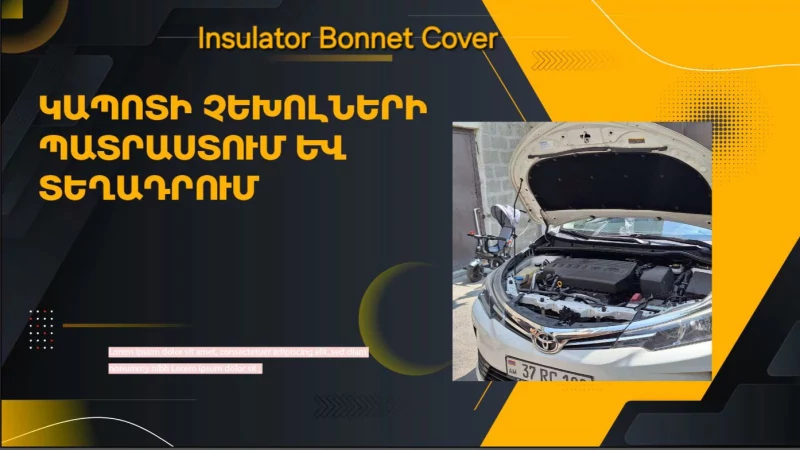
Thermal insulation focuses on managing the transfer of heat and cold through parts of the vehicle body. Cabin insulation can help make the interior feel more stable during seasonal temperature changes, particularly when combined with a properly functioning heating and air-conditioning system. Work around the engine compartment or firewall may be relevant where engine heat is felt inside the cabin. Some providers may also make or fit a hood cover or bonnet insulation component intended to support heat and noise control under the hood, depending on the vehicle and the requested application.
Many projects use layered materials with different purposes. A vibration-damping layer may be paired with sound-absorbing or heat-reflective material, rather than relying on one product for every task. The choice of material, thickness, placement, and coverage affects the final result as well as the amount of interior disassembly required. Providers can explain whether treatment is planned for selected panels or for multiple areas throughout the vehicle.
These services can be useful for everyday city driving, longer intercity trips, vehicles with a noisy cabin, or cars whose owners want a more composed interior environment. They may also be considered after body repairs, interior restoration, audio-system installation, or replacement of worn factory insulation. A clear discussion of the vehicle’s current condition helps ensure that insulation work addresses the actual source of the issue rather than an assumed one.
How to choose a car insulation provider
When comparing car thermal and sound dampening providers, start by defining the problem you want to solve. Explain whether your priority is road noise, rattling panels, engine heat, a cold cabin, rain noise on the roof, or a combination of concerns. A specific description helps the provider suggest relevant areas for treatment and avoids paying for work that does not match your needs.
Ask what parts of the car will be removed or accessed during installation and how trim, wiring, clips, seals, and interior panels will be handled. Soundproofing work often requires careful removal and refitting of door cards, carpeting, seats, headliners, or trunk linings. It is useful to discuss how the provider plans to retain access to service points, drainage paths, moving mechanisms, and electrical components.
Materials deserve close attention. Compare the stated purpose of each material, such as vibration control, noise absorption, thermal reflection, or moisture resistance, and ask where it will be installed. Coverage can matter as much as the product itself, so request a clear outline of the proposed areas. If weight is a concern for your vehicle use, mention it when discussing the project, especially for broad floor, roof, and trunk treatment.
Experience with similar vehicle body styles can also be relevant. Sedans, hatchbacks, SUVs, vans, and older cars may have different cabin layouts and common noise paths. Before making contact, review the provider’s service description and ask whether they can accommodate your model and whether a hood insulation cover, cabin treatment, or another requested component can be made or fitted for it. Agree on the expected scope of work, the condition of the existing interior, and the practical outcome you are seeking.
Availability in Yerevan and across Armenia
Car thermal and sound dampening services are most often sought in Yerevan, where drivers may look for cabin soundproofing, heat insulation, door treatment, floor insulation, or hood-related solutions for their vehicles. Listings in this category may also be relevant for car owners in other parts of Armenia, including Gyumri, Vanadzor, Vagharshapat, Hrazdan, Abovyan, Kapan, and additional cities or regions. Availability, travel arrangements, and the exact scope of work should be confirmed directly with each provider.
Use Turn.am to compare car insulation options by the type of work offered, the vehicle areas covered, and the materials or approach described. Contact suitable providers directly, share the details of your car and comfort concerns, and request information that helps you choose the right thermal and sound dampening solution.