




Carbon and Kevlar Parts Fabrication

Filters
Carbon and Kevlar Parts Fabrication in Yerevan, Armenia and Other Regions
Carbon and Kevlar parts fabrication in Yerevan helps vehicle owners, motorsport enthusiasts, manufacturers, and hobbyists source lightweight composite components made for demanding applications. On Turn.am, users can browse independent specialists offering custom carbon fiber and Kevlar fabrication, compare the type of work they handle, and contact providers directly to discuss a project.
This category covers composite part manufacturing for cars, motorcycles, drones, sporting equipment, industrial uses, and other projects where low weight, stiffness, impact resistance, or a distinctive woven finish matter. Whether you need a one-off replacement panel, a reinforced protective piece, or a limited run of parts based on a design or sample, the available listings can help you identify a suitable fabricator without presenting Turn.am itself as the service provider.
What Carbon Fiber and Kevlar Fabrication Can Include
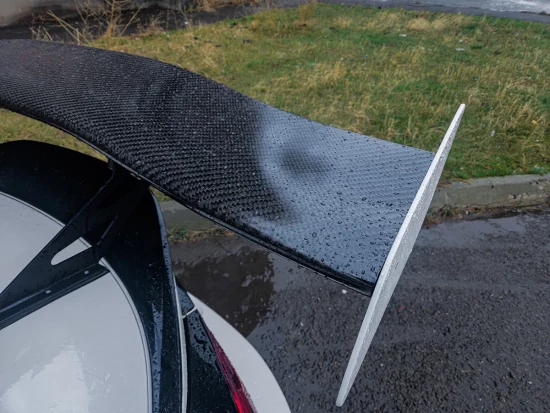
Carbon fiber fabrication is commonly used to produce parts that need to remain strong while adding as little weight as possible. For automotive and motorcycle projects, this can include exterior trim, body panels, covers, fairings, interior accents, brackets, and other custom components. A fabricator may work from drawings, dimensions, photographs, an existing part, or a physical sample, depending on the requirements of the job and the information supplied by the customer.
Kevlar composite parts are often chosen where abrasion resistance, toughness, and impact performance are important. Kevlar can be used on its own or combined with carbon fiber in layered composite construction. This makes it relevant for protective covers, guards, reinforcement areas, equipment components, and visually distinctive parts with a carbon and Kevlar weave. The appropriate material arrangement depends on how the part will be used, where it will be mounted, and whether the priority is appearance, rigidity, durability, or protection.
Specialists in this category may undertake custom composite production from the initial mold through to the finished piece. Mold-based fabrication is particularly useful when a shape must be reproduced consistently or when several matching parts are required. For a single custom item, the provider may assess whether an existing piece can serve as a pattern, whether a new mold is needed, and what changes are necessary to achieve the desired fit.
Common production methods include hand lay-up and vacuum infusion. Hand lay-up can be appropriate for carefully made custom pieces and smaller projects, while vacuum-based processes can help manage resin distribution and consolidate fabric layers. The method selected can affect the finish, thickness, weight, stiffness, and repeatability of the component. Some projects also involve lamination of carbon fiber or Kevlar over a prepared base, which can be relevant when modifying or refinishing a part rather than manufacturing an entirely new structure.
Fabrication can also include repair-oriented or finish-oriented work, such as restoring the surface of a composite item, applying a new laminate layer, addressing cosmetic wear, or preparing a part for coating. These tasks differ from structural repair, so it is useful to explain whether the concern is a visible finish, a crack, a damaged mounting area, or the function of the component itself. Clear project details help a provider decide whether fabrication, reinforcement, refinishing, or replacement is the relevant direction.
For drone and equipment applications, small dimensions do not necessarily mean a simple job. Fit around electronics, attachment points, vibration, airflow, and load direction can all influence a composite part's shape and construction. Similarly, sports and industrial components may require attention to repeated movement, contact with other surfaces, or compatibility with existing hardware. Describing the working conditions gives fabricators a more accurate basis for discussing the project.
How to Choose a Carbon and Kevlar Parts Fabricator
Begin by defining the intended use of the component. A decorative carbon fiber overlay has different requirements from a load-bearing motorcycle part or a Kevlar-reinforced protective cover. Share the make and model of a vehicle when relevant, the location where the item will be installed, the function it must perform, and any limitations on size, mounting, or surrounding parts. If the work involves a replacement piece, photographs and measurements of the original can make the discussion more productive.
When comparing providers, ask about their experience with projects similar to yours. It can be helpful to establish whether they produce parts from molds, take on custom shapes, work with carbon fiber and Kevlar fabrics, or handle only finishing and lamination. For repeated production, discuss how the part will be replicated and whether the same mold, material layout, and finish can be used across the batch. For a prototype, ask how design adjustments can be handled before further pieces are made.
Material choice deserves a focused conversation. Carbon fiber, Kevlar, resin systems, core materials, and protective surface finishes each contribute differently to the final result. The provider can explain what information is needed to assess the component, such as expected loads, exposure to heat or weather, desired flexibility, and the importance of visual appearance. Avoid assuming that a visually similar laminate has the same purpose or performance as another composite construction.
It is also sensible to clarify practical details before proceeding. Discuss the scope of fabrication, whether a mold or sample is required, who supplies any existing parts or hardware, and what finish is expected. Confirm how the provider prefers to receive drawings, reference images, or measurements. Direct communication through the listing allows you to compare approaches and decide whose process suits the complexity of the requested carbon and Kevlar component.
Availability in Yerevan and Across Armenia
Carbon and Kevlar fabrication is most often sought in Yerevan for automotive customization, motorcycle components, prototype work, and specialized composite projects. Listings may also be relevant to customers and providers in other parts of Armenia, including Gyumri, Vanadzor, Vagharshapat, Hrazdan, Abovyan, Kapan, and additional cities or regions. Availability, production capabilities, and the types of parts accepted can vary by provider, so contact each specialist directly to confirm whether they can take on your particular project.
Customers outside Yerevan can use the category to compare fabricators whose work matches the required material and application, then discuss the practical arrangements for submitting a sample, specifications, or reference materials. This is especially useful for custom composite work, where the quality of the initial brief can influence the fit and outcome of the final part.
Find the Right Composite Specialist
Browse carbon and Kevlar parts fabrication listings on Turn.am, review the services described by independent providers, and contact the ones that fit your project. A clear explanation of the part, its intended use, and the material or finish you have in mind will help you compare options and start a direct conversation with a suitable specialist.