




Dental Technician Services

Filters
Dental Technician Services in Yerevan, Armenia and Other Regions
Dental technician services in Yerevan help dental clinics, dentists, and patients connect with specialists who fabricate, restore, and repair dental prosthetics and appliances. On Turn.am, users can browse relevant service listings, compare the scope and technical focus of different providers, and contact a dental technician directly to discuss a case, send specifications, or ask about a repair.
This category covers the laboratory side of restorative and prosthetic dentistry, from crowns and veneers to dentures, implant restorations, orthodontic appliances, and digital dental design. It can be useful for clinics outsourcing laboratory work, dentists seeking a technician familiar with a particular workflow or material, and patients looking for denture repair or adjustment-related assistance. Turn.am is a marketplace for finding independent providers and does not perform dental laboratory work itself.
What dental technician services can include
Dental technicians create custom devices from impressions, models, scans, prescriptions, and clinical instructions supplied for each case. A major area is fixed dental prosthetics, including metal ceramic crowns, zirconia crowns, lithium disilicate restorations, bridges, inlays, onlays, and ceramic veneers. These restorations require attention to tooth shape, contact points, bite relationships, surface texture, and shade so that the final work can be evaluated and fitted by the treating dentist.
For aesthetic cases, a dental ceramist may work with layered porcelain or other ceramic systems to achieve natural-looking translucency and color variation. The technician's work may involve a diagnostic wax-up, a mock-up plan, provisional restorations, or the final ceramic restoration, depending on the laboratory workflow and the instructions provided. Details such as the selected material, thickness constraints, smile-line visibility, and the adjacent teeth can affect how a case is planned and fabricated.
Removable prosthodontics is another important part of dental technology. Listings in this category may relate to complete dentures, partial dentures, acrylic dentures, flexible dentures, and metal-framework or clasp dentures. Work may include setting denture teeth, processing the base material, shaping borders, balancing the bite, and making adjustments requested after a clinical try-in. For a person who already uses a removable prosthesis, the relevant need may be a cracked denture, a detached tooth, a damaged clasp, or a denture that has become loose as oral conditions change.
Denture repair services can include repairing fractured acrylic, replacing or adding a tooth where appropriate, restoring a broken clasp, or relining a removable denture. Because the condition of an appliance and the required clinical assessment vary from case to case, it is sensible to describe the damage clearly when contacting a provider. A technician may also need the denture itself, an impression, or instructions from a dentist before determining the appropriate repair process.
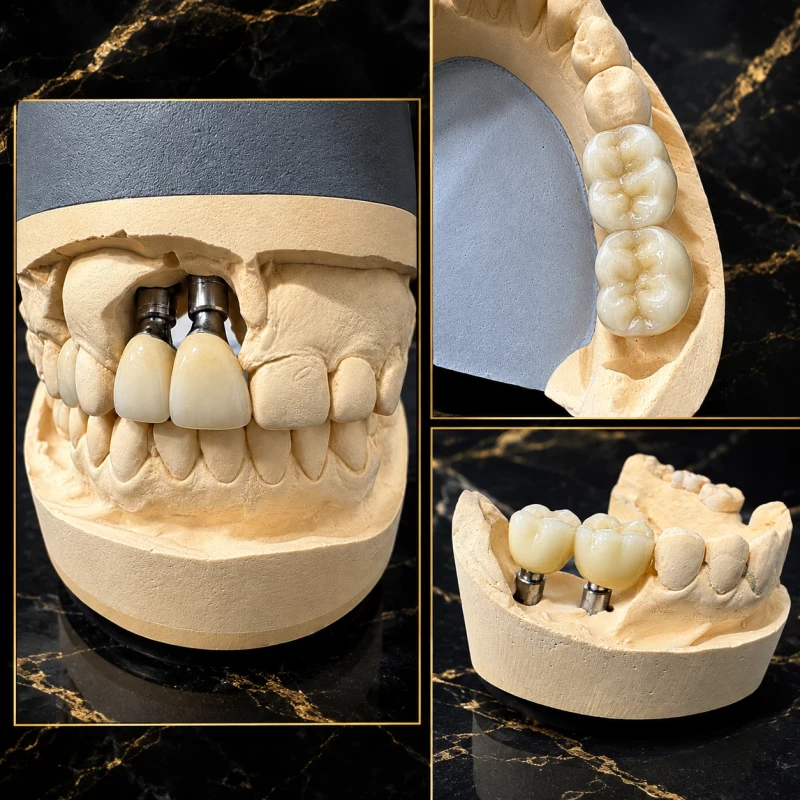
Dental technicians also support implant-supported restorations. This can involve producing implant crowns, bridges, custom abutments, screw-retained restorations, and components for full-arch rehabilitation. Implant cases depend on precise information about the implant system, connection type, scan data or models, available space, occlusion, and the restoration design requested by the clinician. Some laboratories handle the technical planning and fabrication of bars or hybrid prostheses used in more extensive restorative treatment.
Digital dentistry has expanded the range of dental laboratory workflows. A technician may receive STL files from intraoral scanning, design a restoration in CAD software, and use milling or 3D printing as part of production. Digital dental technician services can include CAD/CAM crown design, milling of ceramic or zirconia restorations, printed temporary restorations, surgical guides, dental models, and elements used in orthodontic treatment. Traditional workflows using physical impressions, plaster models, and manual wax-ups can remain relevant as well, especially when they match the clinic's process or the needs of a particular case.
Additional dental lab work may include retainers, occlusal splints, night guards, and functional orthodontic appliances. A hard or soft night guard, for example, is made from instructions and records supplied for a patient with clenching, grinding, or a need to protect restorations. Retainers and other orthodontic appliances likewise require accurate models or digital scans and clear directions concerning the intended design.
How to choose a dental technician or dental laboratory provider
Start by defining the exact type of work needed. A provider who regularly fabricates full-contour zirconia crowns may not offer the same workflow as one focused on removable dentures, porcelain layering, implant cases, or appliance repair. When comparing dental technician services, review the description of the provider's services and ask whether they work with the restoration type, material, and case complexity involved.
For clinics and dentists, it is useful to discuss the records the technician needs before work begins. These can include conventional impressions, digital scans, opposing models, bite records, photographs, shade information, implant details, and written design preferences. Ask how files and instructions are shared, whether a diagnostic stage or try-in is needed, and how changes are communicated if a fit, contact, or aesthetic detail requires review.
Material and manufacturing choices deserve consideration as well. Ceramic, zirconia, metal ceramic, acrylic, flexible materials, titanium, and printed resins have different indications and handling requirements. If a case depends on a digital workflow, confirm that the provider can receive the relevant scan files and work with the expected design or production method. For implant restorations, clear identification of the implant components and restoration design is particularly important before fabrication starts.
Patients seeking denture repair can explain what happened, how long the denture has been damaged, and whether it still fits comfortably. It is also reasonable to ask what information or items should be brought for an assessment. For any prosthesis that causes pain, changes the bite, or has a significant defect, a dentist's clinical evaluation may be necessary alongside laboratory work.
Dental technician services in Yerevan and across Armenia
Yerevan is a central place to search for dental laboratory and dental technician services, particularly for clinics managing restorative, implant, and digital dentistry cases. Providers may also serve dental professionals and patients in other parts of Armenia, including areas such as Gyumri, Vanadzor, Vagharshapat, Hrazdan, Abovyan, and Kapan. Availability, collection and delivery arrangements, accepted file formats, and the ability to handle a specific case should always be confirmed directly with the individual provider.
Use Turn.am to compare dental technician listings based on the type of prosthetic or appliance work you need. Contact suitable providers directly, share the relevant case details, and clarify the expected workflow before arranging dental laboratory services.