




Drywall & Gypsum Board Services







Filters
Drywall & Gypsum Board Services in Yerevan, Armenia and Other Regions
Find drywall and gypsum board services in Yerevan for home renovations, new interiors, office fit-outs, and commercial spaces. This category brings together independent drywall installers and renovation teams who handle gypsum board walls, ceilings, partitions, surface preparation, and related finishing work. Browse available providers, compare the scope of their services, and contact the provider directly to discuss your project.
Gypsum board, also called drywall or plasterboard, is widely used to shape interior spaces without the weight and drying time associated with many masonry solutions. Whether you need to divide a room, cover an uneven wall, build a ceiling design, or prepare surfaces for painting, the right contractor can help plan the work around the layout, materials, and finish you have in mind. Turn.am is a marketplace for discovering and contacting service providers, not a company that performs drywall work itself.
What Drywall and Gypsum Board Services Can Include
Drywall installation often starts with a supporting framework. Providers may assemble metal stud framing for partition walls, wall linings, bulkheads, and ceiling systems, then secure gypsum boards in a layout suited to the room and intended finish. Accurate framing matters because it affects the straightness of walls, the alignment of openings, and the stability of the completed structure. For projects involving doors, shelving, television mounting areas, or other planned fixtures, it is useful to explain these requirements before installation begins.
One common request is a drywall partition wall for room zoning. Partitions can help create separate bedrooms, work areas, storage rooms, changing areas, or enclosed office spaces within an existing floor plan. Depending on the project, the work may include openings for interior doors, allowance for electrical routes, and insulation placed inside the wall cavity. A provider can clarify the intended partition height, whether it connects to an existing ceiling, and which side of the wall requires finishing.
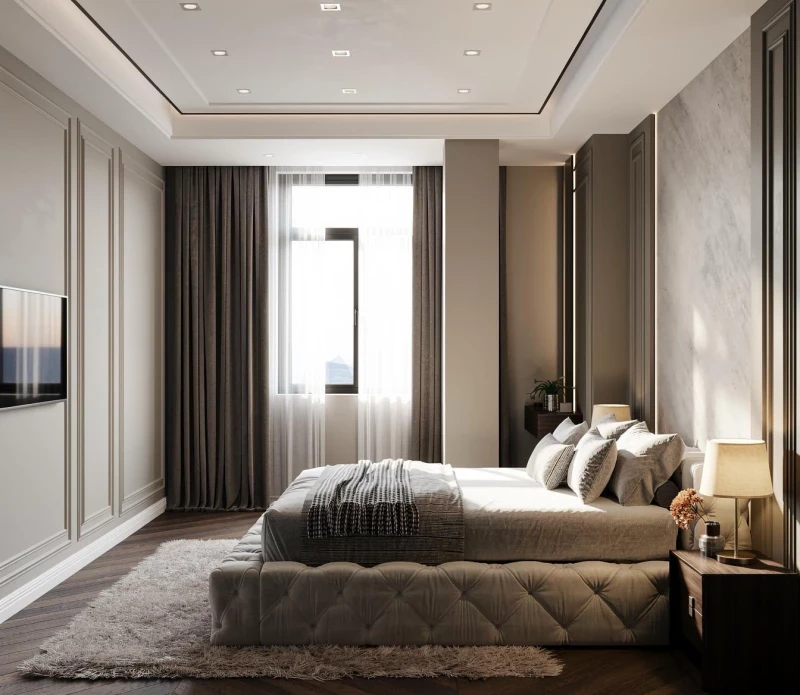
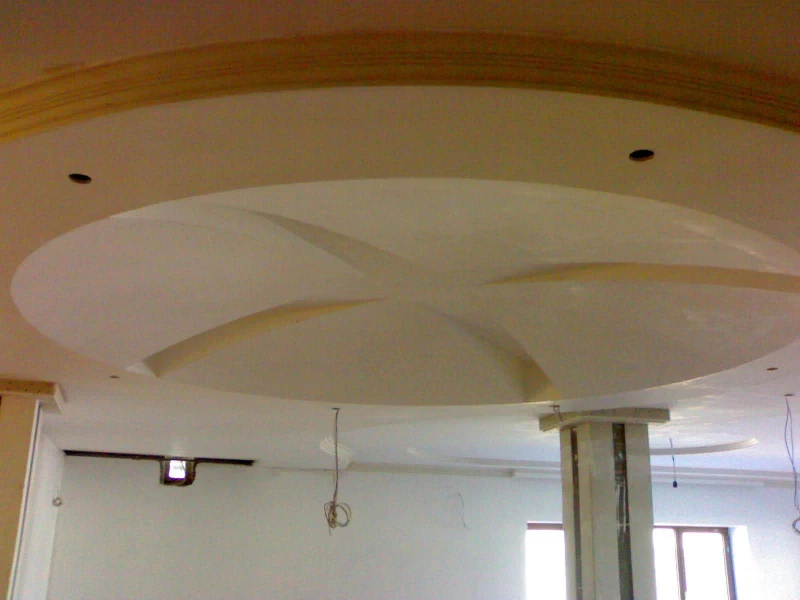
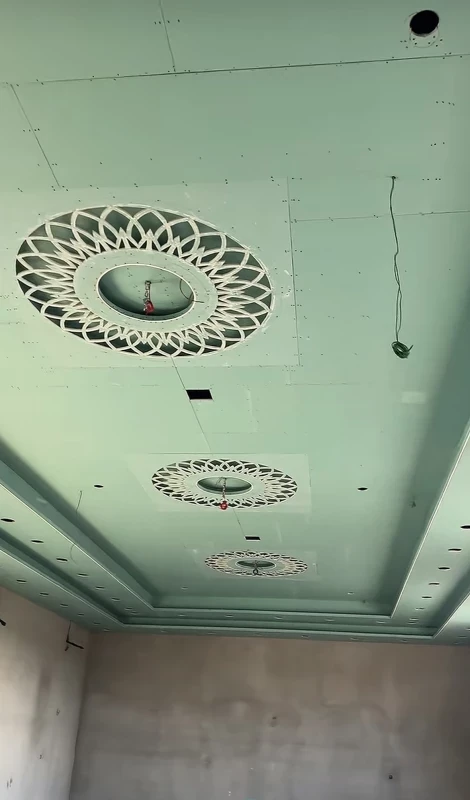
Gypsum board ceilings are another major part of this category. Services may cover standard suspended ceilings, boxed-in structural elements, single-level ceiling cladding, or more detailed multi-level designs. Ceiling work can be relevant when hiding wiring, ducts, pipes, or uneven concrete slabs, as well as when planning recessed lights or LED lighting details. Discuss the location of lighting points, access panels, curtain tracks, and ventilation elements early, since these features affect the framing and board layout.
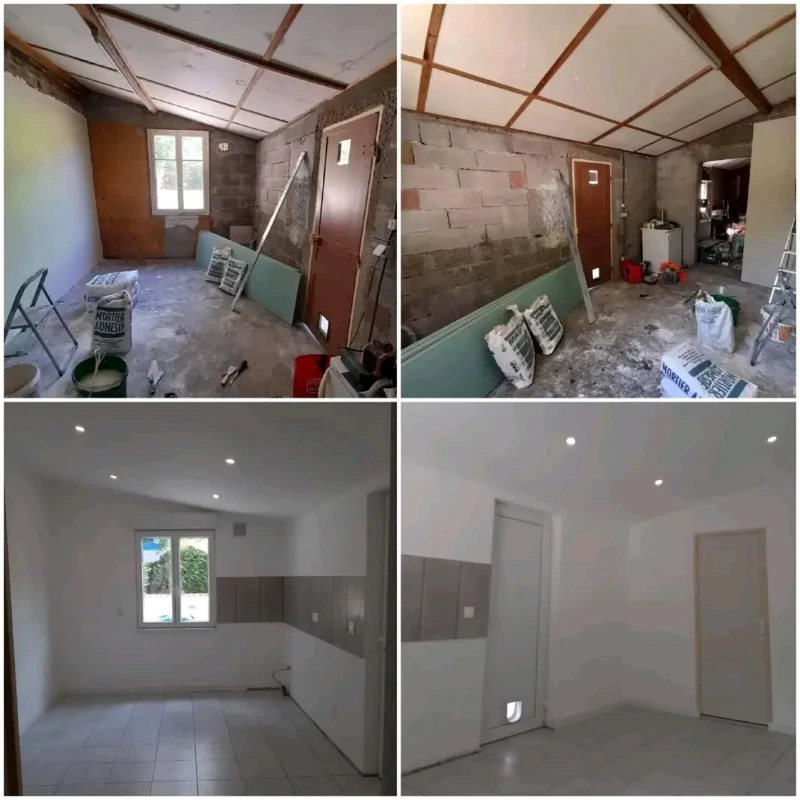
Drylining and wall leveling can make brick, block, or concrete surfaces ready for later decoration. Rather than applying thick layers of plaster, a contractor may use gypsum boards to create a flatter plane over an uneven wall. This approach can also create space for selected insulation or concealed cables. Before choosing this option, consider how much room can be lost from the wall, whether moisture is present, and whether the finished surface will receive paint, wallpaper, panels, or another covering.
Some drywall specialists also build custom interior features from gypsum board. These may include arches, recessed niches, window reveals, shelving surrounds, decorative columns, fireplace surrounds, and boxed enclosures for pipes or equipment. Such work benefits from clear measurements and a defined visual goal, particularly where symmetry, curved forms, or integrated lighting are important. Providers who also offer drywall work and painting may be relevant when you want the boards and the final wall finish coordinated within the same renovation stage.
Finishing is essential to the appearance of plasterboard walls and ceilings. It commonly involves taping joints, applying joint compound, treating screw heads, forming clean external corners, sanding, and preparing the surface for paint or wallpaper. A smooth result depends not only on the boards themselves but also on careful joint treatment and adequate drying between finishing stages. If the area is intended for a high-visibility painted finish or directional lighting, tell the contractor so the expected level of surface preparation can be discussed.
For some interiors, drywall construction is combined with acoustic or thermal insulation placed behind the boards. This may be considered for rooms where sound transfer is a concern or for exterior-facing walls that need an additional insulation layer. The practical choice of materials and construction method depends on the existing structure, available depth, the room's purpose, and conditions such as humidity. Describe these conditions accurately rather than assuming that every gypsum board system is suitable for every space.
How to Choose a Drywall Contractor
Start by defining the scope of the job. Share approximate dimensions, the number of walls or ceilings involved, the condition of the existing surfaces, and whether demolition or removal of old finishes is needed. Photos, a simple sketch, and details about doors, lighting, outlets, pipes, or ventilation can help a provider understand the work before giving an initial response. For a larger renovation, it can be helpful to separate framing, board installation, insulation, joint finishing, and painting into clearly discussed stages.
Compare providers based on experience with work similar to yours. A straightforward partition is different from a curved decorative ceiling, a wall with recessed niches, or a full office layout with multiple rooms. Ask how they approach measurements, framing alignment, board joints, corners, and transitions around openings. If painting is part of the project, clarify whether the provider handles final sanding and surface preparation or whether another specialist will take over after the drywall stage.
Material choices should also be discussed in practical terms. Explain whether the space is a dry living area, kitchen, bathroom, corridor, basement, or business premises, and mention any known moisture, insulation, or sound concerns. Confirm who will obtain boards, framing profiles, fasteners, joint tape, compound, insulation, and finishing accessories. This helps avoid uncertainty about what is included in the agreed work and allows you to compare proposals with the same requirements in mind.
Communication and sequencing are especially important when several trades are involved. Electrical wiring, plumbing, ventilation, flooring, painting, and cabinetry may need to be coordinated with gypsum board installation. Agree on access to the property, working areas, protection of nearby finishes, disposal of offcuts, and the point at which the completed surfaces are ready for the next stage. Direct contact with providers on Turn.am lets you ask these project-specific questions before deciding who to hire.
Drywall Services in Yerevan and Across Armenia
This category is particularly relevant for renovation and construction projects in Yerevan, where apartments, houses, offices, shops, and other interiors often require partitions, ceiling systems, wall cladding, or gypsum board finishing. Providers may also list services for clients in other parts of Armenia, including Gyumri, Vanadzor, Vagharshapat, Hrazdan, Abovyan, Kapan, and additional cities or regions. Availability, travel arrangements, and the type of work a provider accepts can vary, so confirm coverage directly before making plans.
Use Turn.am to review drywall and gypsum board service listings, compare the kinds of interior work providers describe, and contact suitable specialists directly. A clear project brief gives you a stronger basis for discussing the work and selecting a provider whose services fit your walls, ceilings, partitions, or custom gypsum board features.