



Laser Cleaning Services
Filters
Laser Cleaning Services in Yerevan, Armenia and Other Regions
Find laser cleaning services in Yerevan for restoration, maintenance, and surface preparation projects that require controlled, non-contact treatment. Turn.am helps individuals, workshops, manufacturers, property managers, and restoration teams browse relevant independent providers, compare their service descriptions, and contact them directly to discuss a particular item or work site.
Laser surface cleaning can be used to remove rust, oxidation, paint, grease, soot, production residue, and other unwanted layers from selected materials. It is often considered when conventional abrasive blasting, manual scraping, or chemical stripping may be unsuitable for the surface, the surrounding work area, or the level of precision required. Providers listed in this category may offer laser rust removal, laser paint stripping, industrial cleaning, vehicle part restoration, and careful treatment of stone or architectural surfaces, depending on their equipment and experience.
What Laser Cleaning Services Can Include
Laser cleaning uses a focused beam to target contaminants or surface layers while aiming to preserve the underlying material. The right approach depends on the substrate, the type and thickness of the material being removed, the finish expected after cleaning, and whether the item can be brought to a workshop. Before arranging a job, it is useful to describe the surface clearly and, where practical, share photographs that show its condition.
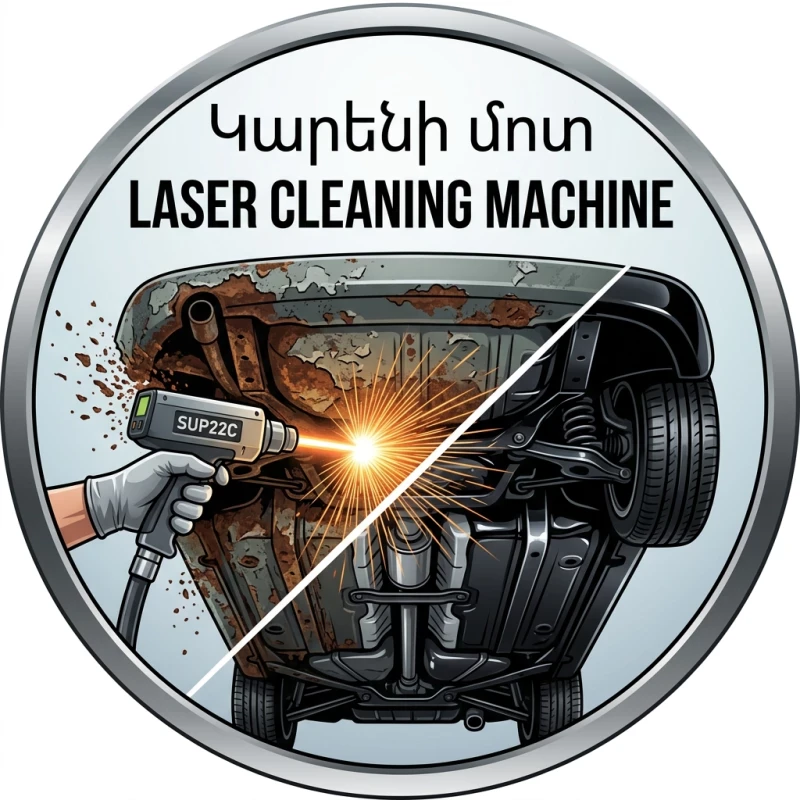
A common application is laser rust removal from metal components. This may include tools, brackets, gates, railings, machinery parts, automotive components, and corroded metal sections. Laser treatment can address oxidation and scale in focused areas without relying on loose abrasive media. For car restoration projects, this can be relevant to underbody parts, suspension elements, fasteners, engine-related components, and other pieces that need cleaning before inspection, repair, coating, or reassembly. The suitable method can differ between removable parts and larger fixed vehicle sections.
Another important use is removing paint, varnish, primers, powder coatings, and aged finishes. Laser paint stripping is selected for jobs where the operator needs to work selectively around edges, markings, contours, or detailed areas. It can be relevant for metalwork, some vehicle restoration tasks, equipment refurbishment, and certain furniture or decorative objects. Not every coated surface responds in the same way, so a provider should assess the material beneath the coating and the result needed. A project may require complete coating removal, cleaning only a damaged section, or preparation of a surface for a new finish.
Industrial laser cleaning may be used on production equipment and components affected by oil, grease, carbon deposits, mold release agents, or accumulated residue. Examples include machine parts, engine blocks, tools, dies, and injection molds. In manufacturing and repair settings, cleaning can be part of scheduled maintenance or a response to buildup that affects a component's condition. The provider may need details about access to the part, the nature of the residue, downtime limitations, and whether surrounding machinery or sensitive areas must be protected.
Metal preparation is another relevant task. A cleaned surface may be needed before welding, bonding, painting, coating, or inspection. Laser cleaning can help remove contaminants from a weld area before work begins and can also be considered for cleaning discoloration, oxidation, or residue after welding. The required finish will depend on the next stage of the process, so it is helpful to explain whether the objective is fabrication, corrosion treatment, visual restoration, or another technical purpose.
Some providers may also handle careful cleaning of natural stone, tuff, basalt, masonry, facades, and monument elements. These projects can involve soot, urban dirt, biological buildup, old coatings, or graffiti. Heritage and architectural surfaces require particularly cautious assessment because their texture, previous repairs, weathering, and decorative details can vary significantly. A test area or a discussion of cleaning intensity may be appropriate before treatment of a larger visible section. Laser cleaning is not automatically suitable for every stone or historic surface.
How to Compare Laser Cleaning Providers
Start by defining the object or area to be cleaned. Note its material, dimensions, condition, location, and the substance that must be removed. A provider can give a more useful response when they understand whether the job involves corrosion on steel, paint on a vehicle part, grease on industrial equipment, residue in a mold, or dirt on a stone surface. Mention any areas that must remain untouched, such as seals, wiring, glass, adjacent finishes, engraved details, or sensitive mechanical components.
Ask about the provider's experience with work similar to yours rather than relying on a broad description of laser cleaning alone. The equipment settings and handling approach may differ for thin metal, heavy corrosion, coated parts, cast components, masonry, and detailed restoration work. It is also sensible to discuss whether the item should be cleaned in a workshop or whether the provider can assess work at the project location. Access, ventilation, power availability, work area preparation, and safe separation from other activities can all affect how the job is planned.
Compare the proposed scope of work carefully. Clarify what surface area is included, whether cleaning is limited to accessible sections, how edges and recessed areas will be handled, and what condition the surface is expected to be in after treatment. Laser cleaning removes unwanted material, but it does not by itself repair corrosion damage, fill pits, straighten metal, repaint a part, or restore missing stone. If further repair, coating, welding, or conservation work is needed, discuss how the cleaning stage fits into the wider project.
Communication also matters for items with uncertain condition or historic value. A clear provider description should help you understand what they intend to remove, what they will avoid, and how they will proceed if the surface reacts differently than expected. When comparing listings on Turn.am, review the services described by each provider and contact suitable specialists directly with your requirements before making arrangements.
Laser Cleaning Availability in Yerevan and Across Armenia
Laser cleaning services are commonly sought in Yerevan for automotive restoration, workshop maintenance, industrial components, construction-related metalwork, and building surface care. Requests may also arise in cities such as Gyumri, Vanadzor, Vagharshapat, Hrazdan, Abovyan, and Kapan, as well as in other parts of Armenia. Service arrangements can depend on the provider's work format, the size of the item, transportation needs, and the technical conditions at the site, so confirm the relevant area and project logistics directly with the provider.
Browse laser cleaning specialists on Turn.am, compare the services that match your material and cleaning objective, and contact providers directly to discuss your project.