




Plastering services








Filters
Plastering Services in Yerevan, Armenia and Other Regions
Plastering services in Yerevan help homeowners, businesses, builders, and property managers prepare walls and ceilings for a finished interior or durable exterior. Whether the project involves a single room, a newly built house, an office renovation, or a larger construction site, this category brings together independent plasterers and contractors offering manual and machine plastering, wall leveling, stucco work, and surface preparation.
On Turn.am, you can browse plastering service listings, compare the type of work and materials described by different providers, and contact them directly to discuss your project. Providers may work with gypsum, cement-based, silicate, decorative, or textured plaster systems, depending on the surface, the intended finish, and the conditions of the space. Turn.am is a marketplace that helps you find and compare providers, rather than a company that performs plastering work itself.
What plastering services can include
Plastering is often the stage that determines how even, stable, and ready a wall or ceiling will be before painting, wallpapering, tiling, cladding, or other finishing work. A plasterer can assess uneven masonry, concrete, block walls, old coatings, cracks, corners, junctions, and ceiling areas, then select an appropriate approach for creating a consistent surface. The required work can range from applying a fresh plaster layer to correcting visible irregularities left after construction or previous repairs.
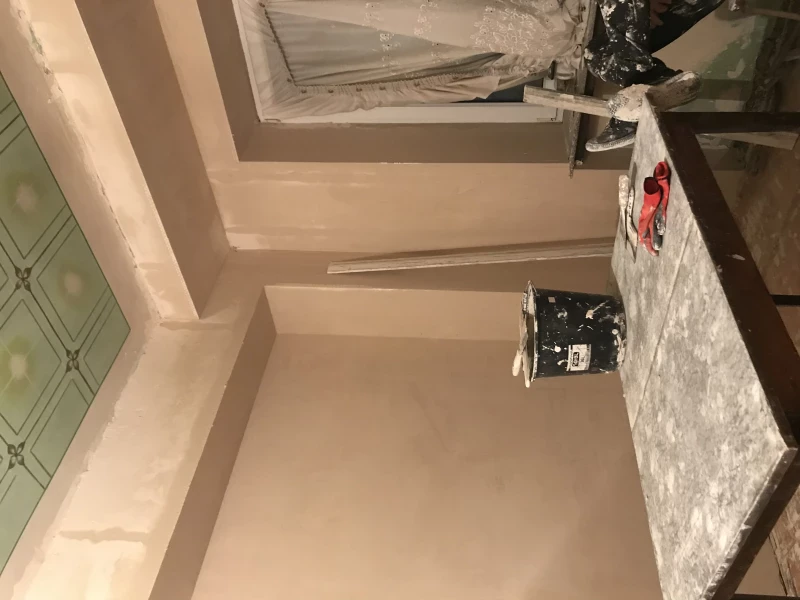
Interior wall plastering commonly focuses on leveling rooms before decorative finishing. Gypsum plaster and gypsonite-based wall leveling are frequently considered for dry interior areas where a smooth finish is needed. These materials can be used to reduce minor surface variation and form a suitable base for paint, wallpaper, or other interior treatments. For rooms with different moisture exposure or for demanding substrates, providers may discuss other material options and the preparation needed before application.
Cement-based plaster is often relevant for surfaces that need a more robust base, including certain exterior walls, utility areas, and construction projects. Silicate plaster may also be part of a facade or finishing system where its texture and compatibility with the wider wall structure should be considered. Exterior plastering can involve more than covering a wall. It may require attention to the existing substrate, weather exposure, transitions around openings, and the final texture of the facade. Discussing the intended outer finish at the start can help ensure the plaster layer supports the next stage of work.
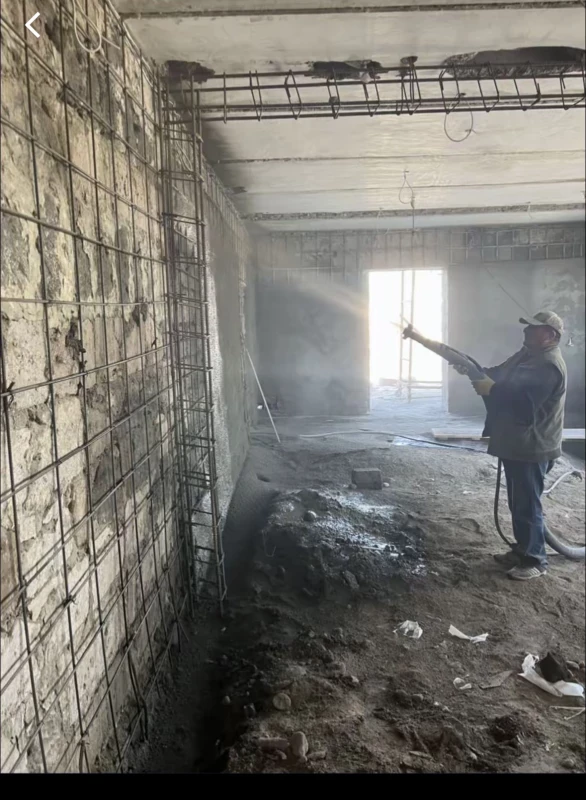
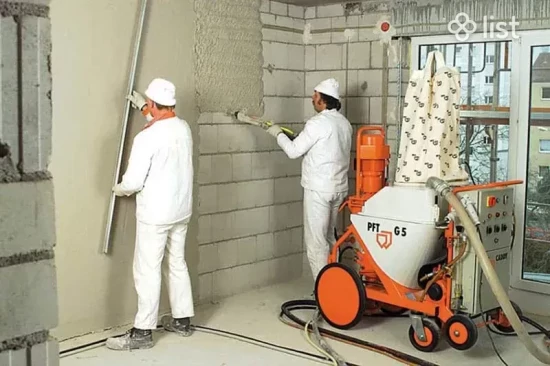
Providers in this category may offer hand-applied plastering for detailed areas, smaller spaces, repairs, and surfaces that require close manual control. Machine-applied or mechanized plastering can be relevant when covering larger wall areas or when the project schedule calls for efficient, consistent application across multiple rooms. Shotcrete and spray-applied techniques may be used for particular construction tasks where the method suits the structure and specification. The appropriate technique depends on the job, so it is useful to describe the wall material, area size, access conditions, and desired result when contacting a provider.
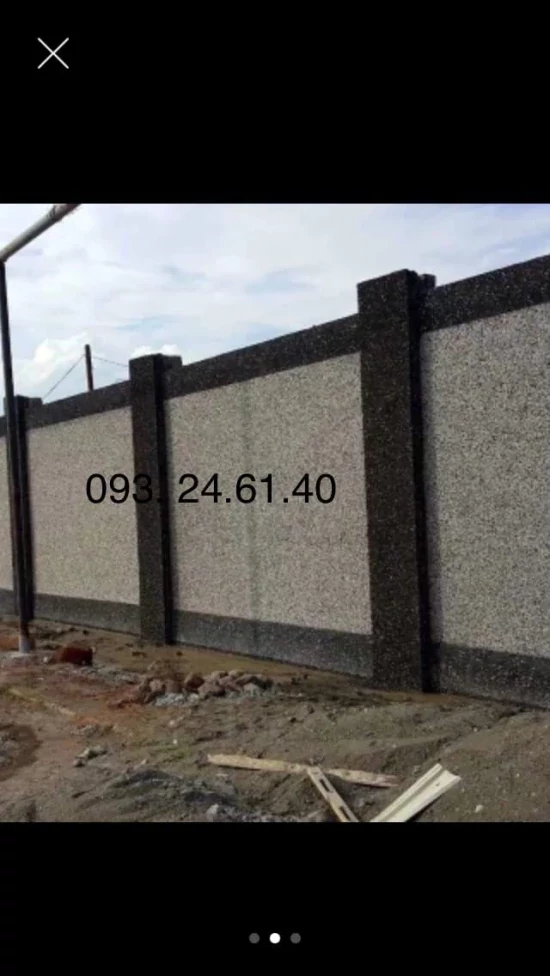
Some projects also call for decorative or textured plaster finishes. Marble-effect plaster, pebble dash, stucco, and similar surface treatments can change the appearance and texture of interior or exterior walls. These finishes may require careful sample selection, consistent application, and additional finishing or grinding work to achieve the desired visual effect. They are different from basic wall leveling, so users looking for a decorative result should clearly state the preferred texture, color direction, and whether the surface is indoors or outdoors.
Other practical tasks can include smoothing rough surfaces, forming straight corners, repairing localized damaged areas, preparing reveals around doors and windows, and creating an even base where separate wall sections meet. Ceiling plastering has its own considerations because overhead work, existing coatings, joints, and uneven slabs can affect the process. For renovation work, a provider may need to uate whether loose old plaster should be removed, whether cracks need prior treatment, and how the new layer will connect to sound existing areas.
What to compare when choosing a plastering provider
Start by defining the scope of the work as clearly as possible. Share whether you need plastering for one wall, an entire apartment, a house facade, a commercial unit, or a construction project. It also helps to explain whether the goal is simple leveling, a paint-ready finish, a base for wallpaper, exterior rendering, ceiling smoothing, or a decorative plaster treatment. Clear information allows providers to respond in terms that match the actual job rather than a general request.
Compare providers based on their experience with the material and application method relevant to your project. A contractor who handles gypsum wall leveling may approach a facade or cement plaster job differently from a provider focused on decorative stucco or machine plastering. Ask how they uate the existing surface, what preparation they expect, whether corners and openings are included, and what degree of final smoothness is planned. These details can make a meaningful difference to the work required after plastering.
It is also sensible to discuss the condition of the walls before work begins. New concrete, masonry, previously painted walls, damaged finishes, and surfaces with visible moisture issues may need different preparation. Ask providers to clarify what is included in the stated scope, such as removal of weak material, priming, mesh where appropriate, repair of cracks, protection of adjacent areas, and cleanup after the application stage. If the project involves several trades, coordinate the plastering sequence with electrical, plumbing, insulation, window, flooring, and finishing work to avoid unnecessary rework.
Communication is particularly important for projects with a visible final finish. Provide photos, measurements, and any available plans when requesting a discussion. For marble plaster, pebble-textured finishes, or other decorative work, ask whether a sample area or reference image would help align expectations. For larger jobs, discuss access to the site, work area readiness, storage for materials, and the stages in which walls or ceilings can be completed. Direct contact through the listing gives you an opportunity to compare responses and choose the provider whose approach fits your project.
Plastering service availability in Yerevan and across Armenia
Plastering services are commonly sought for apartment renovations, private homes, commercial premises, and construction sites in Yerevan. Listings may also be relevant to projects in cities such as Gyumri, Vanadzor, Vagharshapat, Hrazdan, Abovyan, and Kapan, as well as other parts of Armenia. Availability, travel arrangements, the materials a provider works with, and the scale of projects accepted can vary, so contact each provider directly to confirm whether they can take on work at your location.
Use this category to review available plastering specialists, compare descriptions of their services, and contact suitable providers with the details of your walls, ceilings, facade, or renovation plan. A well-defined request makes it easier to find a provider whose plastering method and finishing experience suit the result you want.