





Filters
Solar Water Heater Installation & Maintenance in Yerevan, Armenia and Other Regions
Find solar water heater installation and maintenance providers in Yerevan through Turn.am, a marketplace where homeowners, dacha owners, property managers, and businesses can compare available specialists and contact them directly. Solar thermal systems use sunlight to heat domestic water, and the right setup can be considered for a permanent home, a seasonal property, or a building with regular hot-water demand.
This category covers services for solar water heaters, solar thermal collectors, vacuum tube systems, storage tanks, connecting pipes, controls, and backup heating components. Whether you are planning a new solar hot water system, need help with an existing installation, or are dealing with a leak, poor water temperature, damaged tubes, or scale buildup, provider listings can help you identify services relevant to the job and discuss the details directly with the provider.
What solar water heater services include
Solar water heater installation begins with assessing the building and the intended use of the system. A provider may consider the available roof or ground-mounted space, orientation toward sunlight, shading from nearby structures, the route for water pipes, access for future servicing, and where the storage tank and related equipment will be placed. These practical details affect both the installation process and how convenient the system is to inspect, clean, and repair later.
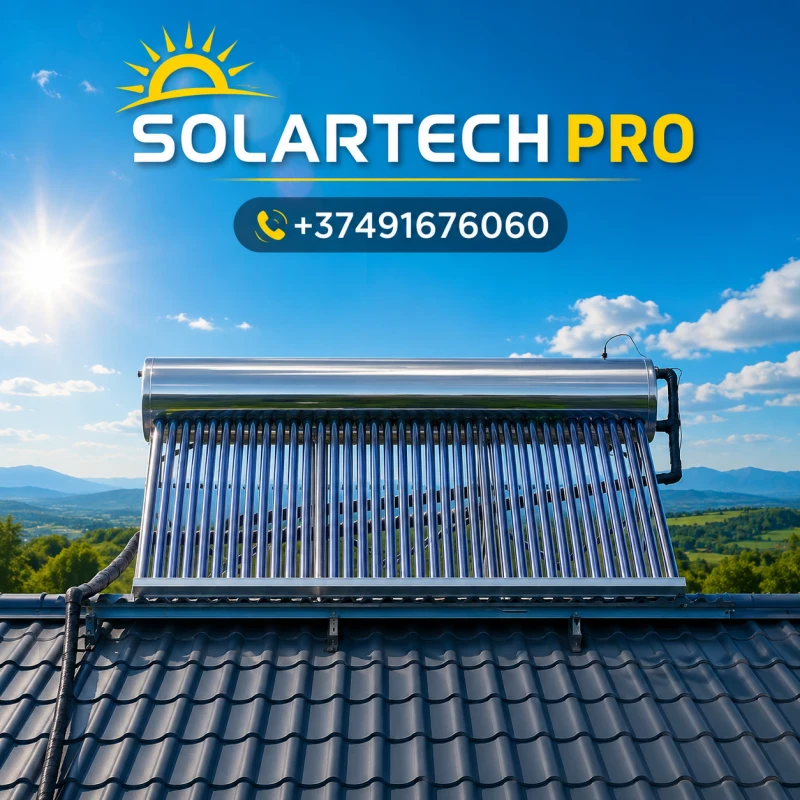
One common type is a pressurized solar water heating system, often built with vacuum tubes and heat-pipe technology. These systems are generally selected for year-round hot-water use where water pressure and cold-weather operation are important considerations. Installation can involve mounting the collector frame, assembling vacuum tubes, connecting insulated pipework, fitting the tank, checking valves and fittings, and configuring the system’s temperature-related components. Providers may also be asked to inspect an existing pressurized unit that is no longer heating water as expected.
Non-pressurized or thermosyphon solar water heaters are another relevant option. In these gravity-fed arrangements, the tank and collector work together without the same pressurized setup. They can be suitable for seasonal use, including summer houses and properties where the expected water-use pattern differs from a year-round residence. Before arranging installation, it is useful to explain whether the property is occupied continuously, used only during warmer months, or has a particular number of water outlets to be served. This gives a provider a clearer picture of the planned application.
Maintenance is an important part of solar water heater ownership. Over time, mineral deposits from hard water can accumulate in tanks, pipes, or collector-related parts and affect water flow or heat transfer. Maintenance work may include flushing the tank, cleaning components, checking connections, examining pipe insulation, and looking for signs of corrosion. Some tanks use a magnesium anode rod to help protect the tank interior, so inspection and replacement of that part may be relevant when servicing a compatible system.
Repair requests can range from a visible leak to a system that produces insufficient hot water. Specialists may diagnose broken or cracked vacuum tubes, leaking pipe joints, worn seals, faulty valves, temperature sensor issues, or problems with an electrical backup heating element. In colder conditions, inadequate insulation or damage caused by freezing can require careful inspection of external pipe runs and connections. Describing the symptoms, when they started, and whether the issue appears only at certain times can help a provider understand the likely scope before a visit.
Solar boiler integration is also part of this category. A solar water heater may be connected with an indoor gas boiler or another existing hot-water arrangement to create a combined setup. This can involve planning how the solar-heated water enters the system, how bypass valves are positioned, and how the backup source is used when solar heating is limited. Because each building’s plumbing and equipment layout can differ, direct discussion with an installer is useful before making changes to an existing boiler connection.
How to choose a solar water heater installer or maintenance provider
Start by defining the work you need: a complete new installation, replacement of particular components, routine servicing, repair, or connection to an existing boiler. Share the solar water heater type if you know it, along with the model, tank capacity, collector configuration, and any previous repair history. Photographs of the roof area, collector, tank, pipes, or the affected component can also make the initial conversation more precise.
When comparing providers, ask about their experience with the specific system type you have or intend to install. Pressurized and non-pressurized systems have different layouts and operating requirements, while a boiler integration project involves both solar equipment and the existing plumbing arrangement. It can be helpful to clarify which tasks are included, such as mounting, pipe routing, insulation, tank connection, testing, cleaning, replacement parts, or removal of damaged components.
For a new installation, discuss site access and the proposed placement of collectors before work begins. Ask how the provider will account for sun exposure, roof construction, safe access to the work area, pipe length, and seasonal weather conditions. For maintenance or repairs, ask what inspection steps are planned and whether the provider can identify the cause of reduced performance rather than replacing parts without diagnosis. Clear communication about the condition of the system and the expected work helps users compare relevant offers on Turn.am.
It is also sensible to confirm practical arrangements directly: when the provider can inspect the site, what information they need beforehand, whether replacement parts may be required, and how the work will be documented or explained. Providers may offer different scopes of work, so comparing the actual service details is more useful than relying on a broad service name alone.
Solar water heater services in Yerevan and across Armenia
Yerevan is a central place to search for solar water heater installation, solar collector repair, and solar thermal maintenance, particularly for apartments, houses, and commercial properties with suitable installation space. Demand for these services can also arise in other parts of Armenia, including Gyumri, Vanadzor, Vagharshapat (Ejmiatsin), Hrazdan, Abovyan, Kapan, and other cities and regions. Availability, travel arrangements, and the types of systems a provider handles can vary, so users should review listings and confirm the location and scope directly.
Properties in different areas may have different roof layouts, water conditions, seasonal usage patterns, and exposure to cold temperatures. These factors can influence whether a provider is being contacted for a new solar hot water system, pre-season maintenance, descaling, insulation checks, or repairs after damage. When submitting an inquiry, include the property’s location and a concise explanation of the work required.
Browse solar water heater installation and maintenance providers on Turn.am, compare the services described in their listings, and contact suitable providers directly to discuss your solar hot water project or service request.