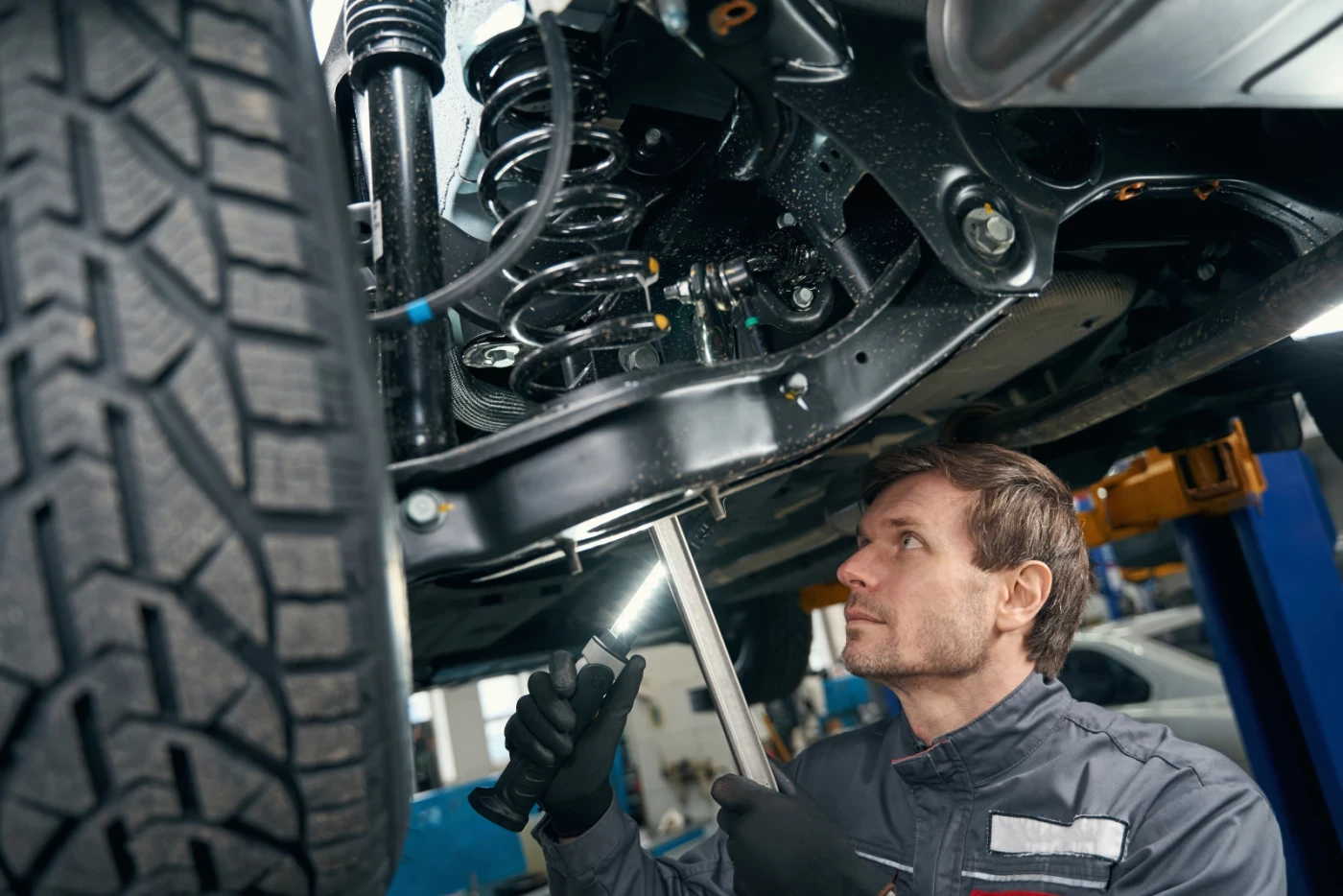




Chassis repair





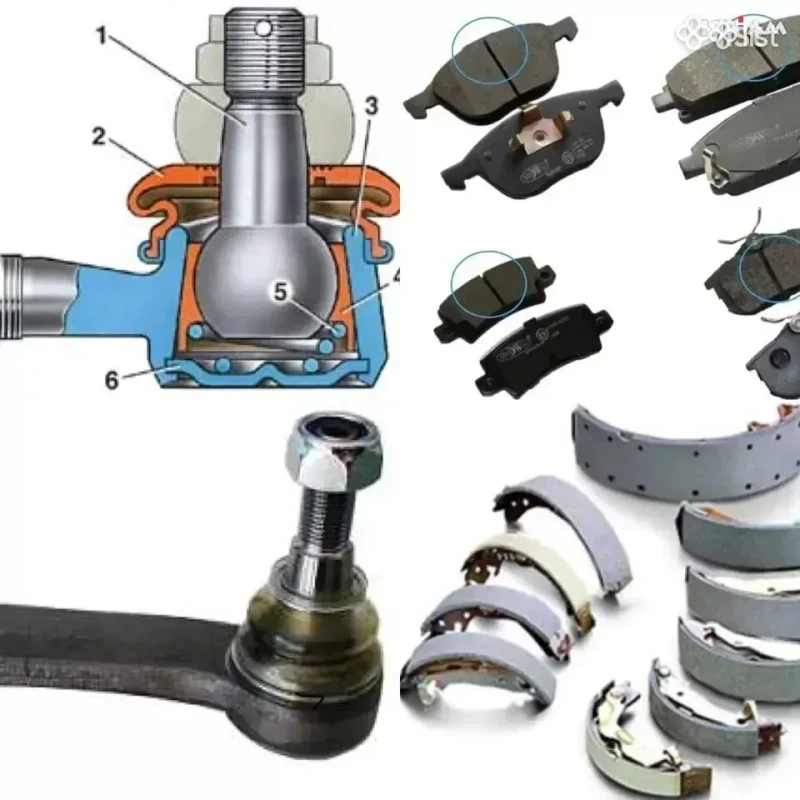





Filters
Chassis Repair and Suspension Services in Armenia
Find chassis repair services in Armenia for cars with knocking sounds, steering vibration, unstable handling, uneven tyre wear, or a rough ride over uneven roads. This category brings together independent auto service centres and suspension specialists who can inspect vehicle chassis components, identify possible faults, and carry out the required suspension or steering repairs.
Turn.am is a marketplace where drivers can review offers for car suspension repair, chassis diagnostics, shock absorber work, control arm repairs, and related maintenance. Compare provider descriptions, discuss your vehicle’s symptoms and specifications, then contact a suitable specialist directly to arrange an inspection or repair.
What chassis repair and suspension service can include
Vehicle chassis repair generally concerns the systems that connect the wheels to the body and help the car remain stable, responsive, and comfortable on the road. Depending on the vehicle model and the source of the issue, a specialist may inspect the front suspension, rear suspension, steering components, wheel hubs, and the mounting points associated with these parts.
A common first step is suspension diagnostics. During an inspection, a mechanic may check the condition and movement of control arms, ball joints, silent blocks, stabiliser links, bushings, shock absorbers, springs, steering rods, tie rod ends, and mounts. Some wear can be seen during a visual check, while other problems become clearer when the vehicle is lifted and individual components are tested for play, damage, leaks, cracks, or looseness.
- Diagnosing knocking, creaking, rattling, and metallic sounds from the front or rear of the car
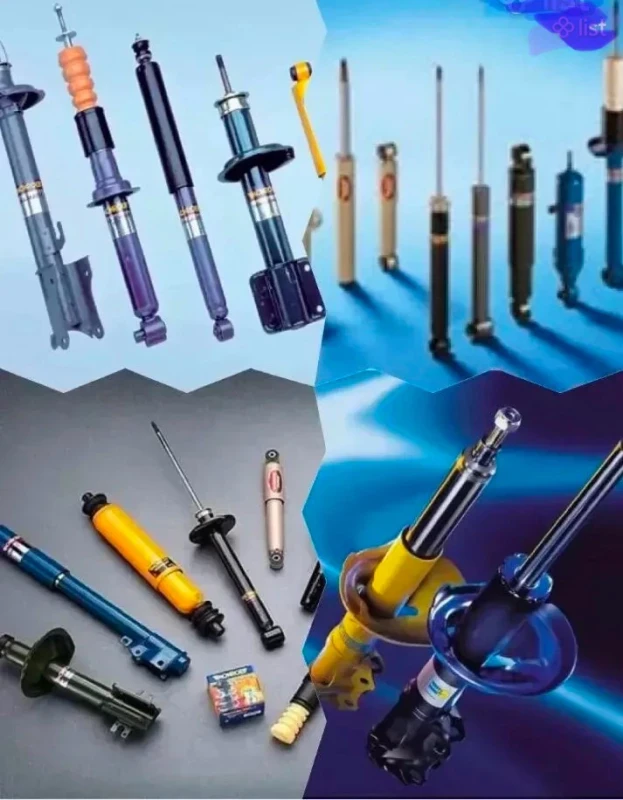
- Checking and replacing worn shock absorbers, shock absorber mounts, springs, and related fasteners
- Inspecting control arms and replacing a damaged silent block or, where needed, the full control arm
- Repairing or replacing ball joints, steering rods, and tie rod ends
- Checking stabiliser links, stabiliser bushings, rubber bushings, and other smaller suspension parts
- Examining wheel hub and wheel assembly components where noise, vibration, or play is suspected
- Assessing front and rear suspension condition after impacts with potholes, curbs, or other road obstacles
- Advising whether wheel alignment should be checked after work on steering or suspension parts
Symptoms alone do not always identify the faulty part. For example, a knock from the front of the vehicle may be related to a worn ball joint, a stabiliser link, a cracked bushing, a shock absorber mount, or a tie rod end. Similarly, vibration through the steering wheel can have different causes depending on when it occurs and how the vehicle behaves. A detailed chassis inspection helps narrow down the source before parts are selected for replacement.
Front suspension faults are often noticed through changes in steering response, pulling to one side, vibration, or noise while turning and driving over road irregularities. Rear suspension issues may appear as bouncing, a less settled ride, sounds from the rear axle area, or irregular tyre wear. Since suspension layouts vary between vehicle makes and models, the appropriate repair method and part selection can differ substantially.
When to arrange a chassis inspection
It is sensible to seek suspension repair or chassis diagnostics when the car begins to behave differently from usual. Repeated knocking over bumps, squeaking during turns, excessive body movement, a steering wheel that feels loose or heavy, or a vehicle that does not track straight can all justify an inspection. Uneven tyre wear is another practical reason to check the suspension and steering system, particularly if it appears after an impact or after replacing related components.
Suspension checks can also be useful before purchasing a used vehicle. The condition of control arms, rubber components, shock absorbers, and steering joints may indicate what maintenance could be needed in the future. If a car has been driven regularly on damaged road surfaces, carried heavy loads, or sustained a strong impact, checking the chassis can help clarify the condition of parts that are not easily assessed from the outside.
After replacing tie rod ends, control arms, silent blocks, shock absorbers, or other components that affect wheel position, wheel alignment may need attention. Incorrect alignment can contribute to pulling, an off-centre steering wheel, and premature tyre wear. Ask the provider whether an alignment inspection is appropriate for the specific repair being performed.
How to compare chassis repair providers
When choosing a chassis mechanic or suspension specialist, describe the vehicle accurately. Share the make, model, year, engine or drivetrain details if relevant, and explain when the problem occurs. It can be helpful to note whether a sound is heard over potholes, while braking, during acceleration, at low speed, or when turning the steering wheel. This information gives the provider a clearer starting point for diagnostics.
Compare whether a provider proposes a full chassis and steering inspection or only a check of one suspected part. Ask how the fault will be identified, which components are likely to be examined, and whether the specialist can explain the condition of the worn part. For repairs involving several parts, clarify the scope of work, which replacement components are needed, whether parts are supplied separately, and whether any follow-up checks such as wheel alignment should be considered.
It is also useful to discuss the vehicle’s normal use. Daily urban driving, frequent travel on uneven roads, long-distance trips, or heavier loads can affect which components receive more strain. A clear conversation about the symptoms and expected work helps drivers compare service offers on relevant details rather than choosing based only on a general repair description.
Chassis repair availability across Armenia
Drivers search for chassis repair throughout Armenia, including in cities such as Yerevan, Gyumri, Vanadzor, Vagharshapat, Hrazdan, Abovyan, and Kapan, as well as other cities and regions. Available listings and the services described by each provider can vary by location, vehicle type, and the type of suspension work required.
Use Turn.am to browse chassis repair and car suspension service offers that match your needs. Compare the available information, contact providers directly, and discuss diagnostics, repair scope, replacement parts, and suitable next steps for your vehicle.