









Ophthalmology Services in Yerevan
An eye appointment may be needed for a change in vision, discomfort, a routine examination, monitoring of an existing condition or discussion of a proposed procedure. These are different needs: a clinic offering refraction and general consultations may not provide retinal imaging, paediatric assessment, contact-lens fitting or eye surgery. Start by identifying the reason for the visit and confirming that the ophthalmologist or clinic handles it.
Turn.am lists independent ophthalmologists and eye-care providers in Yerevan, allowing you to review their published services and contact them directly. Turn.am is not a medical provider, does not diagnose eye conditions and does not determine treatment, appointment availability or fees.
Match the appointment to the reason for your visit
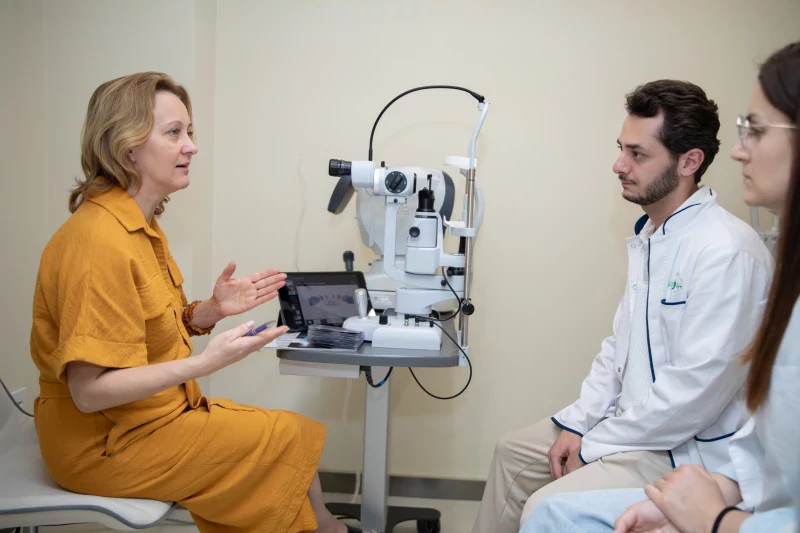
General ophthalmology consultations can address symptoms, visual changes, eye-health examinations and follow-up of a known diagnosis. Other requests may require a provider with a narrower focus, such as cataract, glaucoma, retina, cornea, children’s eye care or refractive surgery. A prescription check for glasses is also different from a medical examination prompted by pain, redness, injury or a sudden change in sight.
When booking, describe the main symptom or purpose, which eye is affected, when it began and whether it is stable, improving or worsening. Mention recent eye surgery or injury, contact-lens use and any diagnosis already made. Reception staff can then tell you whether the appointment type is suitable, whether a referral is requested and whether a particular doctor or facility is needed. Do not try to settle the diagnosis in the booking message.
Symptoms that should not wait for routine comparison
Marketplace listings are intended for finding providers, not emergency triage. Seek urgent medical assessment for sudden loss or marked deterioration of vision, severe eye pain, a penetrating or high-speed injury, or a chemical splash. A sudden shower of new floaters, repeated flashes or a shadow or curtain in the field of vision also needs prompt professional assessment. After eye surgery, unexpected worsening of vision with increasing pain, redness or swelling should be reported through the clinic’s urgent instructions.
If a chemical enters the eye, begin rinsing immediately with plenty of clean, lukewarm water while arranging emergency help; do not delay irrigation to search for a provider. Do not rub an injured eye or attempt to remove an embedded object. Use the appropriate local emergency service or urgent eye-care pathway rather than waiting for a standard appointment.
What an eye examination may involve
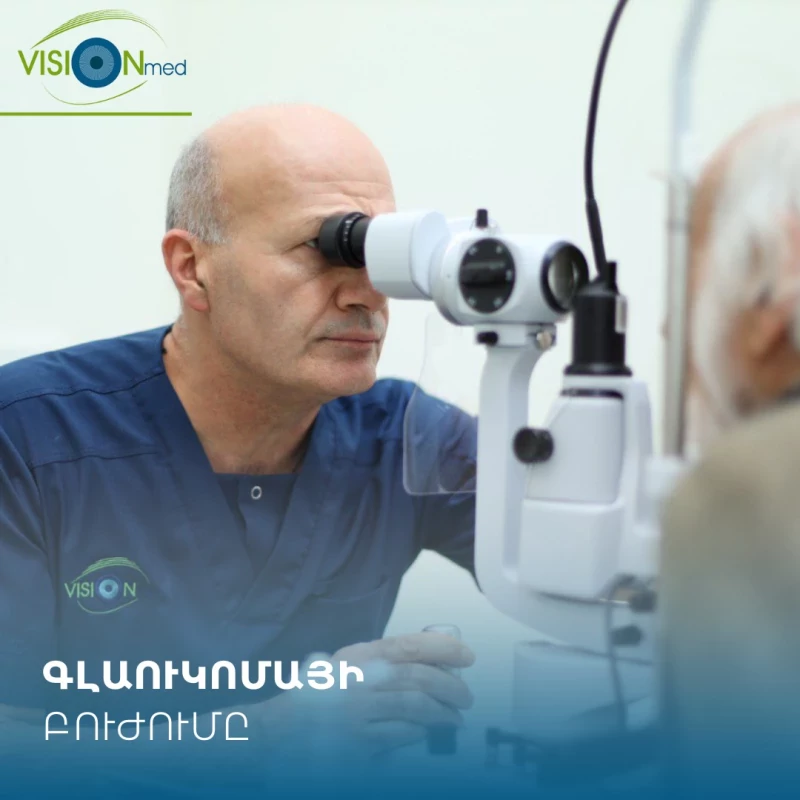
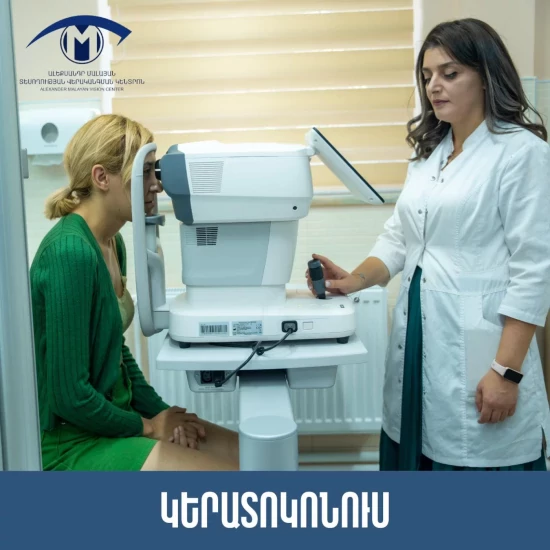
The content of an examination depends on the clinical question. It may include visual-acuity testing, refraction, pupil and eye-movement assessment, examination with a slit lamp, measurement of eye pressure or uation of peripheral vision. Dilating drops may be used so the clinician can examine structures inside the eye. Imaging or other tests are ordered when relevant; their presence should not be assumed from the words “eye consultation.”
Ask what the booked fee includes: the doctor’s consultation, refraction, dilation, pressure measurement and any scans or procedures may be priced together or separately. Also confirm how results are provided, whether a written conclusion or prescription is included and whether a follow-up visit has a separate charge.
Prepare for the appointment and possible dilation
Bring the glasses and contact-lens details you currently use, previous eye reports or images, and a current list of medicines and eye drops. Be ready to mention allergies, relevant health conditions, earlier eye operations and family eye history. For a child, ask whether drops will be required and how much time the clinic recommends allowing for the visit.
Dilating drops can temporarily blur vision and increase sensitivity to light. Before travelling to the clinic, ask whether dilation is expected and how it may affect driving or work afterwards. Bring sunglasses and arrange another way home if advised. The duration and effect vary, so follow the clinic’s instructions rather than planning around a fixed recovery time.
How to compare ophthalmologists and clinics
A useful profile should make the doctor’s specialty and place of practice clear. For a complex diagnosis or proposed intervention, ask about experience with the specific condition or procedure, what equipment and support are available at the facility, and who provides follow-up care. Reviews may describe communication and organisation, but they cannot establish the right diagnosis or predict an outcome.
- Confirm whether the provider sees adults, children or both.
- Ask whether your symptom, existing diagnosis or requested procedure falls within the clinician’s practice.
- Check the clinic address, appointment duration, accessibility and language of consultation.
- Clarify which examinations are available on site and whether another visit may be necessary.
- For a procedure, request an explanation of alternatives, material risks, expected follow-up and the person to contact if symptoms worsen.
Be cautious with guaranteed results, pressure to decide immediately or treatment recommendations given without an appropriate assessment. It is reasonable to ask for a clear explanation or seek another qualified opinion before a non-urgent procedure.
What determines the cost
The total cost can depend on the type of specialist, the consultation format, diagnostic testing, imaging, dilation, prescribed procedures and follow-up visits. A general appointment price therefore does not necessarily represent the complete uation. Ask for the consultation fee and likely additional test charges separately, and confirm the payment method and cancellation terms.
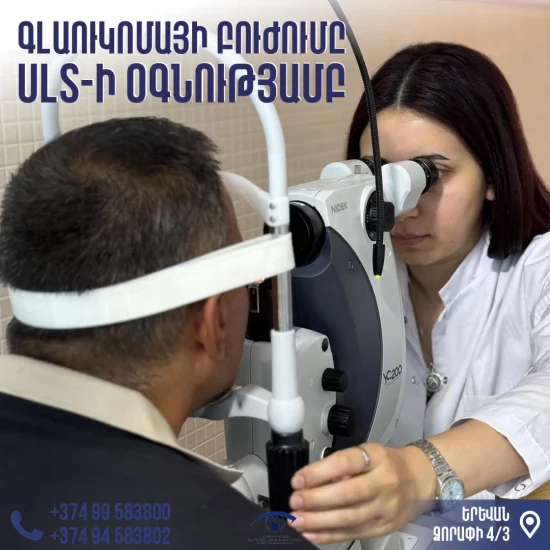
For surgery or laser treatment, request a written breakdown of what is included before making a decision. Relevant items can include pre-procedure measurements, the intervention itself, medicines or consumables, scheduled reviews and management of unexpected additional care. Exact scope and suitability must be determined by the treating clinic after assessment.
Leave with a clear next step
At the end of the visit, ask what was examined, what the findings mean, whether any uncertainty remains and what happens next. Clarify how to use prescribed drops, which side effects or changes require contact, whether activities or contact lenses are temporarily restricted and when follow-up is due. Keep the conclusion, prescriptions, test results and clinic contact information together.
View ophthalmology services on Turn.am and contact suitable providers with the reason for the appointment and any relevant previous findings.