



















Car Services in Yerevan
“Car service” can mean routine maintenance, diagnosis of a fault, mechanical or electrical repair, tyre work, body restoration, detailing or help with an immobilised vehicle. These jobs require different equipment and experience. A useful search for car services in Yerevan therefore begins by identifying the type of problem and the result you need, then comparing providers whose stated scope matches it.
Match the request to the right kind of service
Scheduled maintenance covers work prescribed by time, distance or the vehicle's maintenance plan, such as fluid, filter and other specified replacements. Fault diagnosis begins with a symptom or warning and aims to identify its cause before parts are authorised. Repair then addresses the confirmed defect. Treating these stages as identical can lead to an incomplete quotation or unnecessary replacement.
Other requests may belong to a tyre shop, auto electrician, air-conditioning specialist, body shop, paintless dent repair provider, detailing studio, locksmith or roadside-assistance service. Ask whether the provider performs the required work in-house and who is responsible if part of it is referred elsewhere.
Describe symptoms without prescribing the diagnosis
Explain what the driver sees, hears, smells or feels, when it starts, whether it is constant or intermittent, and what changed before it appeared. Include warning messages, recent work, fluid loss, starting behaviour and any conditions that reproduce the issue. A short video or clear dashboard photo can help the provider decide whether an inspection is appropriate.
A warning code is evidence, not necessarily the failed component. Ask how the workshop will distinguish the underlying cause from related symptoms. If braking, steering, visibility or temperature behaviour appears unsafe, avoid assuming the vehicle can be driven to the workshop; ask about safe transport or towing.
Mechanical, electrical and electronic diagnosis differ
Engine, transmission, braking, steering and suspension complaints may require physical inspection, measurements and a road test as well as electronic data. Electrical faults can involve the battery, charging, starting, wiring, lighting or control circuits. Modern warning lamps may require compatible diagnostic equipment, but reading and clearing a code alone does not prove that a repair is complete.
Ask what the initial diagnostic stage includes and what deliverable you will receive: findings, measurements, likely cause, recommended work and any unresolved uncertainty. When a fault is intermittent, establish how additional testing time will be approved and charged.
Tyres, wheels and alignment need their own assessment
Tyre replacement should account for the required size and specification, condition of the full set and the intended use of the vehicle. Vibration, pulling or uneven wear can have several causes, so balancing or wheel alignment should not automatically be presented as the answer before inspection.
For wheel or tyre work, clarify whether the quote includes removal and installation, balancing, valves, repair, disposal or storage where applicable. Ask the provider to explain any damage or wear that makes a repair unsuitable rather than relying only on a sales recommendation.
Cooling, climate control and fluid leaks
Loss of coolant, overheating indications, weak cabin heating or ineffective air conditioning are different complaints and may require different specialists. Report the exact behaviour and do not open a hot pressurised cooling system. If the temperature indication suggests overheating, stop safely and seek professional guidance rather than continuing to drive.
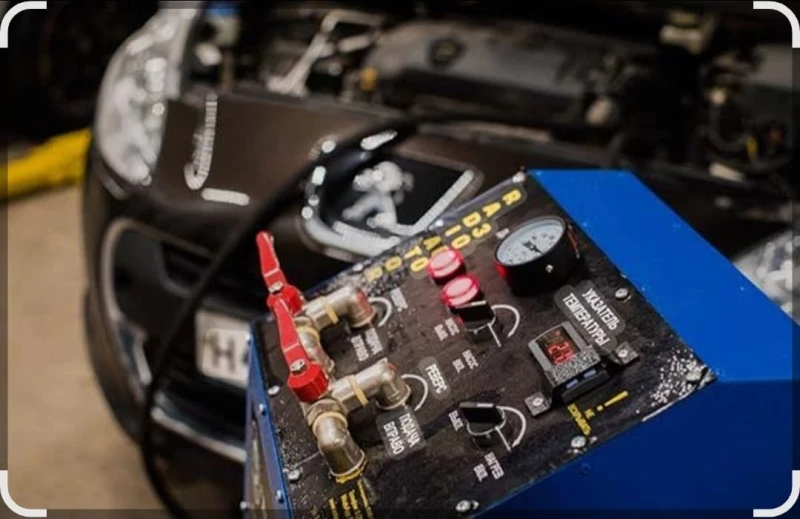
For air-conditioning work, ask whether the service is limited to system charging or includes leak detection and functional diagnosis. Adding refrigerant without identifying a leak may not resolve the reason performance declined. Request a clear explanation of the proposed work and follow-up check.
Body repair, paintwork and detailing solve different problems
Body repair can involve dent correction, panel work, corrosion treatment, preparation and painting. Paintless dent repair is suitable only for certain damage. Detailing focuses on cleaning, surface correction and protection; it does not replace structural or paint repair. Describe the affected panels and send well-lit photos, but expect the final scope to depend on inspection.
Ask which panels will be repaired or painted, whether trim removal and colour matching are included, and how completion will be assessed. For polishing or protective treatments, clarify the preparation, areas covered, limitations and aftercare instead of relying on broad promises about appearance or durability.
Build an estimate that separates diagnosis, labour and parts
A preliminary price may change after inspection, especially when access reveals related damage. Before work begins, request an estimate separating diagnostic charges, labour operations, parts, consumables and outside services. It should state whether taxes are included and how storage, delivery or other applicable fees are handled.
Set an approval rule for additional work: the provider should explain the new finding, price and effect of declining it before proceeding. If disassembly is required to complete the diagnosis, agree on its cost and what happens if you decide not to continue with the repair.
Choose parts by specification and responsibility
Depending on the repair, options may include manufacturer-branded, aftermarket, remanufactured or used components. The relevant comparison is not the label alone but compatibility, condition, source, warranty and suitability for the system. Safety-related parts deserve particular care and a clear professional recommendation.
Confirm the exact part before installation and ask who provides the warranty for the component and the labour. If you supply a part yourself, establish whether the workshop will install it, whether fitment is verified beforehand and how responsibility is divided if it is incorrect or fails.
Document authorisation and verify the result
At intake, record the vehicle identity, mileage, fuel level, visible condition, items left inside and the requested work. Keep the approved estimate and messages about changes. Ask when the provider will report findings and whether replaced parts can be returned or shown when appropriate.
At collection, review the invoice against the approved scope. Ask what was found, what was replaced or adjusted, and whether any recommendation remains outstanding. Check warning indicators and the repaired function before leaving when practical. Retain the diagnostic report, parts details, invoice and written warranty terms for future maintenance or follow-up.
Compare automotive service providers on Turn.am
Turn.am can help you view provider information and make direct contact. Send suitable providers the same vehicle details, symptom history, desired service and photos so their replies address the same request. Compare relevant specialisation, diagnostic approach, estimate detail, parts options, approval process and documentation—not merely the first price mentioned.
For a broad request, begin with the service category most closely matching the actual need. Final diagnosis, availability, timing, cost and warranty remain matters to confirm directly with the selected provider.
Frequently asked questions
Can a workshop give a final price from a photo or phone call?
It may be able to quote a defined routine service or give a preliminary range. A fault or hidden damage often needs inspection before the scope and final price can be confirmed.
Should I buy a replacement part before diagnosis?
Usually it is safer to confirm the cause and exact specification first. Otherwise the part may be unnecessary, incompatible or leave the original problem unresolved.
What does a diagnostic fee pay for?
Ask the provider to define it. It may cover inspection, scanning, measurements or testing, but the included work and resulting report should be agreed before starting.
What should a repair warranty state?
It should identify the covered labour or part, the applicable period or conditions, exclusions and the procedure for reporting a problem. Do not rely only on a verbal promise.