







Auto Body Repair and Painting in Yerevan
Bodywork ranges from correcting a shallow parking dent to rebuilding several damaged panels after a collision. The visible mark is only the starting point: a bumper cover can conceal broken mounts, a door impact can alter panel gaps, and an old repair can affect how a surface responds to new work. A useful estimate therefore identifies the damage, the proposed repair method and everything that will be removed, replaced, painted or outsourced.
Turn.am provides listings from independent body repair specialists and workshops in Yerevan. You can review their published work and contact them directly, but Turn.am does not inspect the vehicle, carry out repairs or approve a quotation. The owner and the selected provider should agree the scope, parts, refinishing work, changes and payment terms.
Start by separating cosmetic damage from a larger collision repair
A scrape that affects only the surface is a different assignment from a dent with cracked paint. A displaced door, bonnet or boot lid may require attention to hinges, latches, mounts and surrounding panels. After a collision, tell the workshop how the impact occurred and report anything that changed afterward, including a difficult closure, water entry, a shifted lamp or an unusual gap.
Photographs taken before dismantling are valuable for discussing the scope and may also matter in an insurance or other documentation process. Ask the workshop to distinguish confirmed visible work from items that can only be assessed after a trim, bumper or panel is removed. A remote figure should remain clearly preliminary when hidden damage is possible.
Cosmetic restoration must not be confused with checking safety-related systems. If the impact may have affected structural areas, suspension, steering, restraint systems or other safety-critical components, appropriate specialist assessment is needed. Confirm which checks the body shop performs and which must be completed elsewhere.
Can the dent be repaired without repainting?
Paintless dent repair may be considered where the original coating remains intact, the metal has not been excessively stretched and the location allows suitable access. Its appeal is the possibility of preserving the factory finish. It is not a universal answer: sharp creases, damaged edges, cracked paint and panels with previous filler can require conventional repair and refinishing.
Ask the technician what result is realistic rather than assuming every trace will disappear. The location of the dent, the material, access behind the panel and the shape of the deformation all influence the method. If trim or internal components must be removed to reach the area, make sure that work and reassembly are included in the quotation.
Conventional panel repair and replacement decisions
Conventional repair can involve reshaping metal, addressing damaged edges, preparing the surface and refinishing the panel. Whether to repair or replace depends on the extent of deformation, tears, corrosion, mounting points, prior bodywork and the required outcome. A small dent rarely justifies replacement by itself, while a badly stretched or repeatedly repaired panel may not be a sensible candidate for further correction.
If replacement is proposed, ask whether the part is new or used and whether it is already repaired or painted. A used door or wing may appear inexpensive but still need stripping, corrosion work, dent repair and preparation. The total comparison should include sourcing, transport, trial fitting, gap adjustment, transferring fittings and painting—not just the purchase price.
Bumpers and other plastic components
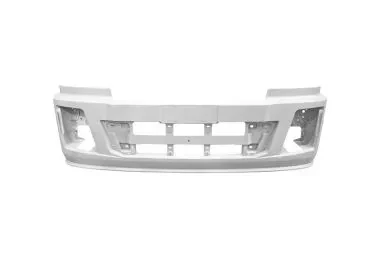
Plastic parts present several distinct problems: surface abrasion, distortion, cracks and broken attachment points. Repairing the visible face is incomplete if the bumper no longer sits securely. The provider should inspect the inner surface and explain whether the specific damage can be repaired with a stable result or whether replacement is the more appropriate option.
Parking sensors, cameras, lamps and other components may be mounted in or around the bumper. Record who will remove, reinstall and test them. Some vehicle systems can require work beyond ordinary body repair, so any specialist electronic check or calibration should be named separately rather than assumed to be included.
Why paint preparation matters as much as colour
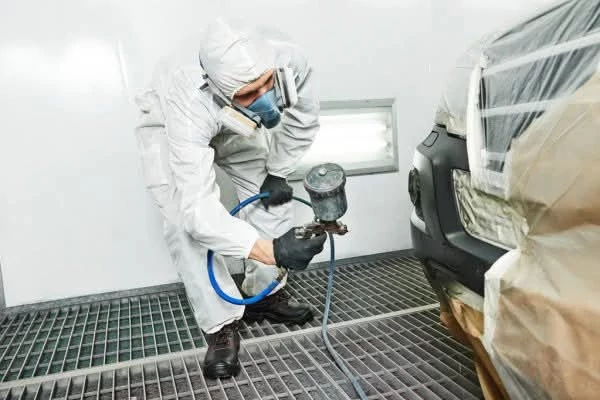
A refinished panel is only as good as the surface beneath the colour. The repair area may need cleaning, removal or preparation of old coatings, levelling, suitable primers and careful masking or dismantling. Paint applied over poor shaping, unstable old material or inadequately treated edges can look wrong even when the colour formula is accurate.
Ask whether the estimate includes removing handles, mouldings, lights or adjacent trim, as painting around them can leave visible edges. Clarify the boundaries of the painted area, the coating stages, drying, reassembly and finishing. The workshop does not need to disclose proprietary technique, but the client should understand what result and operations are being purchased.
Colour matching and blending
The vehicle's colour code is an essential reference, but it does not always produce a visually identical repair on its own. Existing paint can vary because of age, exposure and previous refinishing. Some finishes also change appearance with viewing angle and light. A spray-out sample or another controlled comparison can help the painter select an appropriate variant.
Where a hard colour boundary would be noticeable, the workshop may recommend blending into an adjacent panel. That increases the refinishing area, so the reason, panels involved and additional cost should be explained before approval. Inspecting colour only inside a workshop can be limiting; final review benefits from more than one viewing angle and appropriate light.
Corrosion requires an honest open-ended assessment
A small rust mark can be surface corrosion or the visible edge of deterioration beneath paint, seam sealer or a previous repair. The true extent may only appear after the coating and weakened material are removed. Agree in advance that the provider will document any larger discovery and obtain approval before expanding the repair.
Simply covering visible rust is not equivalent to addressing the affected material. At the same time, no responsible provider can promise an exact lifespan for a corrosion repair without considering location, access and the condition uncovered. Corrosion around sills, mounts or other structurally relevant areas should be uated for more than appearance alone.
Information that makes the first estimate more useful
Send one photograph showing the damaged panel in relation to the whole vehicle and several close views from different angles. Reflections can reveal a dent's shape, so even lighting and a short moving video may help. Include the make, model and year, identify all affected panels, describe the impact and mention previous repair in the same area.
State whether the vehicle can be driven safely to the workshop. Do not rely on a photograph if a lamp is loose, a sharp panel edge is exposed, a wheel area is affected or a door cannot secure correctly; ask how the vehicle should be transported or assessed. Photos are for initial triage and quotation preparation, not a substitute for a safety decision.
A body repair estimate should be itemised by operation
Useful estimates separate dismantling, panel repair or replacement, preparation, refinishing, materials and assembly. They identify parts and fasteners to be purchased, external services and the assumptions made about hidden areas. When several panels are involved, each should appear in the scope so the owner can compare like with like.
Price depends on the number of affected parts, access to the damage, severity of deformation, existing coatings, replacement-part condition, refinishing area and associated equipment. A cheaper total may omit dismantling, blending, clips, corrosion work or final polishing. Ask what can change the price and require a revised approval when dismantling reveals additional damage.
The expected timeframe also depends on the confirmed scope, part availability, preparation and any outsourced work. Avoid treating an early estimate as a guaranteed completion date. Record the deposit, payment stages, storage arrangements and what happens if the owner pauses the work after dismantling.
Evidence to look for when choosing a body shop
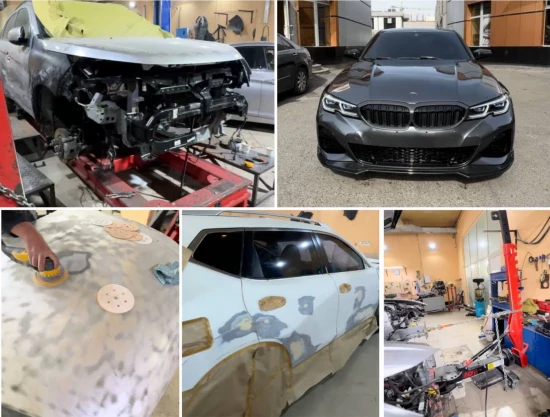
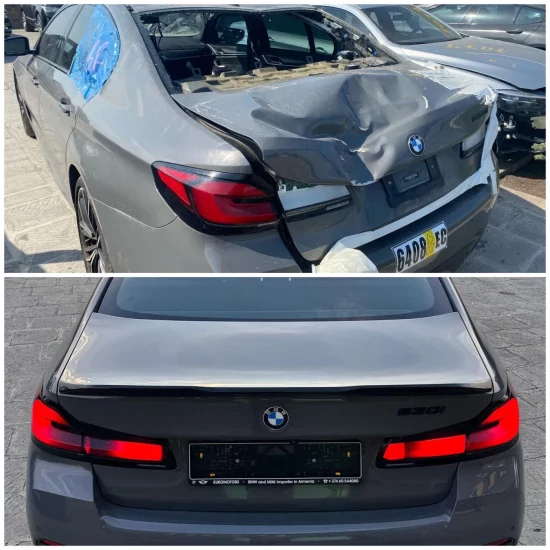
Before-and-after photographs are more informative than polished final images alone. Look for examples involving a similar panel, material and type of damage. Reflections across the repaired surface can reveal shape, while door and panel gaps show how well parts were aligned. Ask whether the displayed repair—including painting and assembly—was completed by the same workshop.
Discuss where the vehicle will be stored, who has access to the keys and whether belongings should be removed. For a major job, agree whether progress photographs or an intermediate inspection will be provided. Clear documentation is especially helpful when hidden damage changes the original plan.
Checking the vehicle before final payment
Inspect a clean vehicle and compare it with the agreed scope and original photographs. View repaired surfaces from the front and along the side, checking shape, reflections, gloss and colour against neighbouring panels. Examine gaps around doors, bonnet, boot lid, lights and bumper edges. Open and close moving panels to confirm that they operate without unusual force or contact.
Check handles, seals, mouldings, lamps, liners and interior trim that were removed. Confirm that agreed sensors, cameras or lighting components operate after assembly, while recognising that any required specialist calibration should have its own evidence. Look for overspray or polishing residue on adjacent paint, glass, rubber and the interior.
If something does not match the agreement, identify it before accepting the vehicle and record the correction to be made. Ask for aftercare instructions appropriate to the refinishing materials used, including any temporary washing or handling limitations. Keep the final scope, invoices, part information and photographs with the vehicle records.
View auto body repair and painting listings on Turn.am, compare providers with relevant damage examples and contact a suitable Yerevan workshop directly.