















Electrician Services in Yerevan
An electrician call-out is often needed when power has failed, a protective device keeps tripping, a socket or switch is damaged, lighting is unreliable or a small electrical change is required. The visible symptom does not always identify the cause, so safe diagnosis should come before replacing parts. Turn.am lets users compare independent electricians in Yerevan and contact them directly about availability and call-out terms.
Problems an electrician can assess
- loss of power in one room, circuit or the whole property;
- circuit breakers or residual-current devices that repeatedly trip;
- damaged, loose, hot or non-working sockets and switches;
- flickering lights, failed fittings, drivers or controls;
- suspected loose connections, overheating or damaged wiring;
- installation or replacement of a limited number of electrical points;
- checks before connecting an appliance or other equipment.
Some electricians focus on repairs and urgent visits, while others take larger rewiring or installation projects. Confirm that the provider handles your symptom and property type and has the instruments and suitable replacement parts for the likely task.
When the situation may be dangerous
Burning smell, smoke, sparking, melted plastic, visible heat damage, electric shock or tingling from an appliance or metal surface requires prompt action. Stop using the affected equipment and keep people away. If there is immediate fire or electrocution danger, disconnect power only if this can be done safely and contact the appropriate emergency service.
Do not touch exposed conductors, open an energized distribution board, pour water on electrical equipment or repeatedly reset a device that immediately trips. A remote message or photo cannot establish that the circuit is safe.
What to report before the visit
Describe exactly what happened, when it began and whether the fault is constant or intermittent. Note which rooms, sockets, lights or appliances are affected, what was operating at the time and whether there was recent drilling, water leakage, renovation or equipment installation. Tell the electrician if anyone felt a shock or if there is smell, heat or sound.
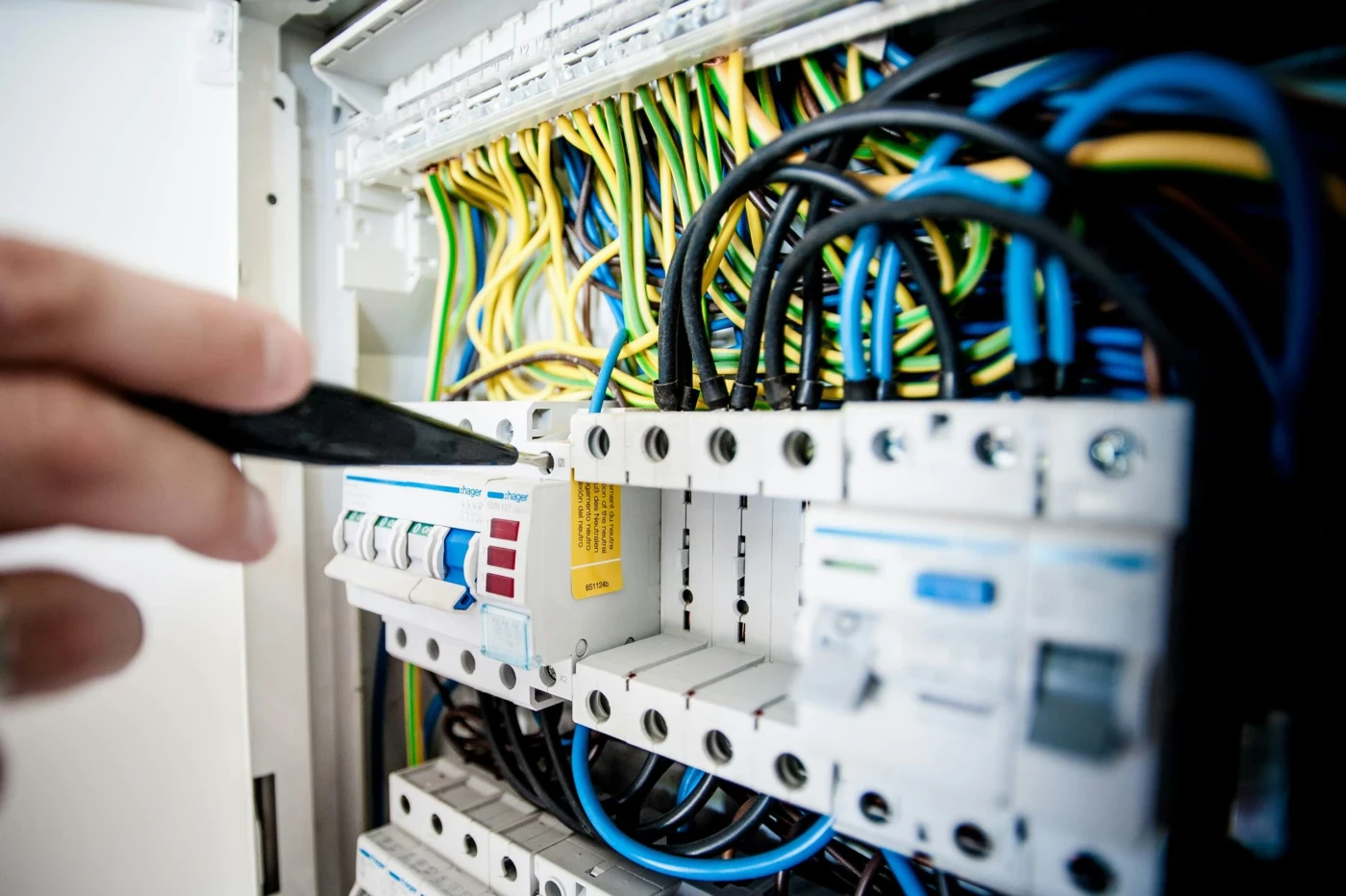
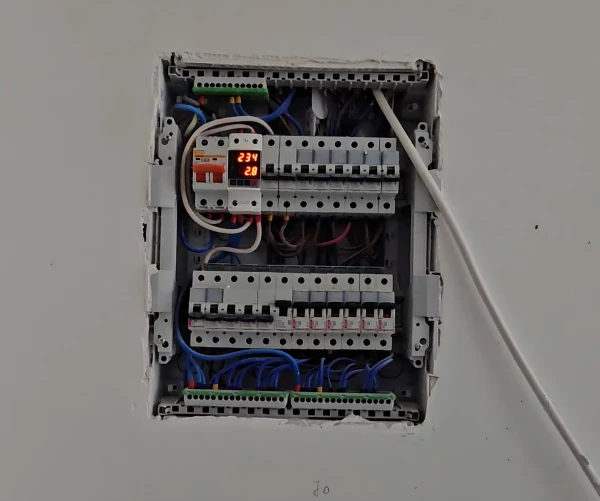
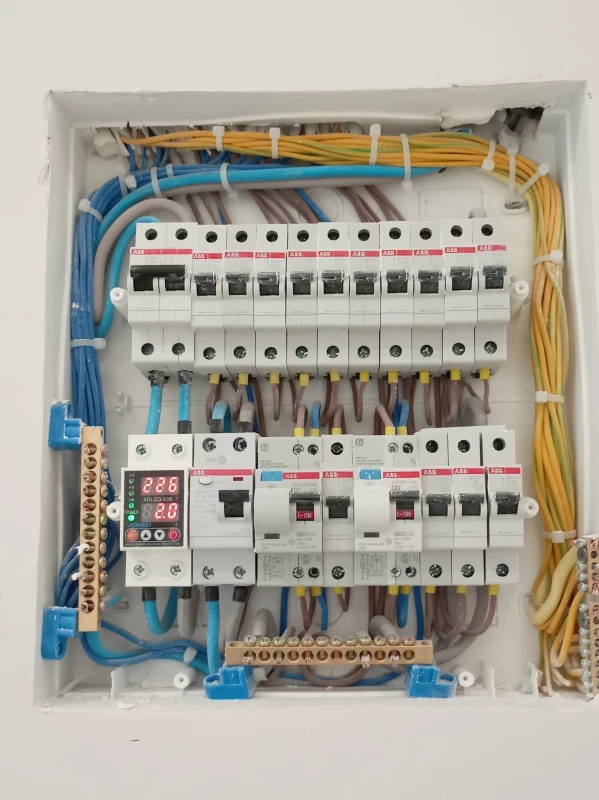
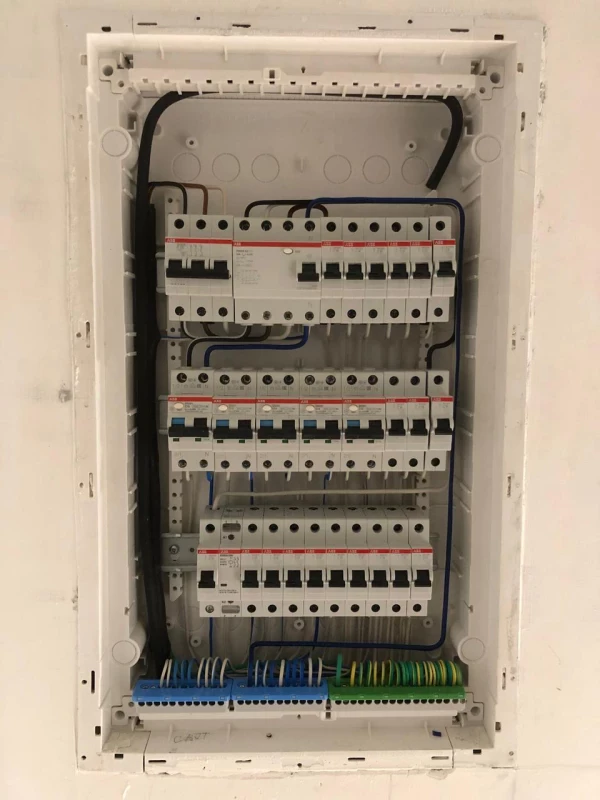
From a safe distance, you may photograph the outside of the distribution board, visible labels and the affected fitting. Do not remove covers for a clearer image. Provide the property type, access time, parking or entry instructions where relevant, and the make and model of any connected appliance.
How fault finding works
The electrician should first clarify the symptom, inspect the relevant equipment and isolate or test sections of the installation as appropriate. A breaker that trips may be responding to overload, damaged wiring, moisture, a faulty appliance or another condition. Replacing it with a higher-rated device without confirming conductor suitability can remove essential protection.
Diagnosis may take longer than changing a visible component because intermittent and concealed faults must be narrowed down systematically. Ask the electrician to explain the identified cause, the evidence, the proposed repair and any limitation. If opening walls or replacing a larger section becomes necessary, obtain a revised scope before the work expands.
Socket, switch and lighting repairs
A damaged accessory should be checked together with its connections and surrounding condition. Discoloration or melting may indicate heat at a loose termination, overload or another issue that is not solved by fitting a new faceplate. Replacement products must be suitable for the circuit, load, location and enclosure.
Lighting faults may involve the lamp, fitting, driver, transformer, switch, dimmer, sensor, neutral connection or supply. Provide the fixture details where available. When changing controls or light sources, confirm electrical and functional compatibility instead of assuming that matching dimensions are sufficient.
Appliance fault or fixed wiring fault?
If one appliance causes the problem, the fault may be within the appliance, its plug or the fixed circuit. The electrician can assess the supply and connection, but internal appliance repair may require another technician. Do not keep trying the appliance on different outlets if it smells burnt, produces a shock or trips protection.
For a new high-load appliance, ask whether the existing circuit, protective device and supply are suitable. A nearby socket does not prove capacity. A dedicated circuit or a broader installation assessment may be needed.
Testing after the repair
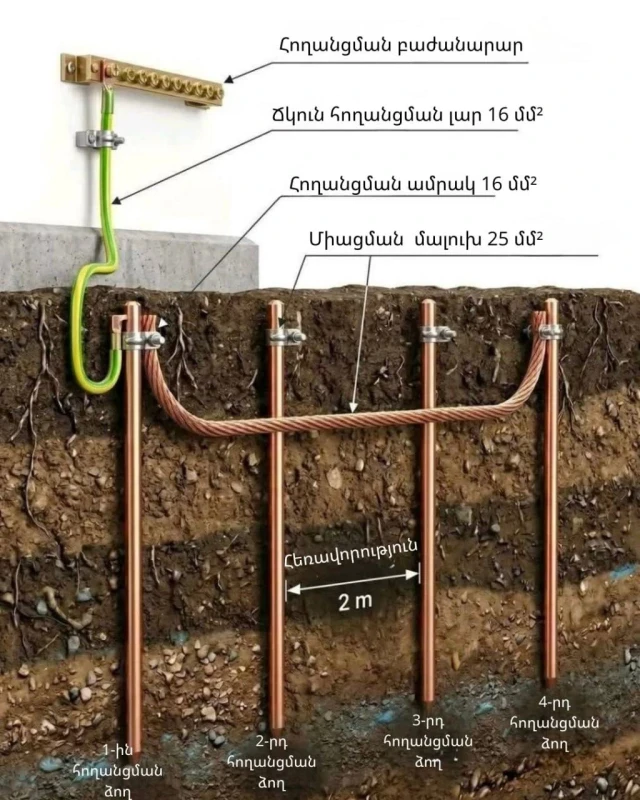
The electrician should perform checks and electrical tests appropriate to the repaired circuit before returning it to service. The exact verification depends on the fault and work completed, but may include connections, polarity, insulation, earthing, protective-device operation and functional testing.
Ask what was changed, what was tested and whether any related defect remains. Keep the replacement-part details, invoice, written warranty and any recommendation for further work. If the repair is temporary, its limitations and the next required action should be stated clearly.
Call-out fees and repair pricing
Cost may include travel or call-out, diagnosis, labour time, materials, specialist testing, urgent or out-of-hours attendance and a return visit. A standard replacement can sometimes be priced remotely, but an unknown fault usually cannot be quoted accurately before diagnosis.
Ask whether the call-out includes a set amount of diagnostic time, how additional labour is charged and whether parts are marked up. Confirm the price before optional work begins. Compare quotations that include the same diagnosis, parts, testing and warranty rather than choosing only the lowest visit fee.
Choosing an electrician in Yerevan
Look for relevant fault-finding experience, a clear safety-first explanation and willingness to test the result. Ask who will attend, what hours are available, whether the electrician carries common parts and what happens if a specialist component or second visit is needed. Avoid anyone who proposes bypassing a protective device or dismisses repeated tripping without investigation.
View electrician listings on Turn.am and use the contact information published by suitable independent providers. Turn.am does not perform the repair or determine the electrician’s price, arrival time or warranty. Agree those terms directly before confirming the visit.