


















Electrical Installation Services in Yerevan
Electrical installation work can support a home renovation, office fit-out, retail space, workshop or individual equipment connection. The best result begins with a clear load and layout brief, continues through coordinated installation and ends with testing and records. On Turn.am, users can view independent electrical-service providers in Yerevan, compare their scope and contact them directly.
Residential and commercial projects need different briefs
For a home, the plan may include kitchen appliances, water heating, climate equipment, lighting scenes, internet hardware, work areas and future changes. A commercial brief may also need operating hours, critical equipment, emergency arrangements, signage, access control, data systems and a staged shutdown plan. Tell the electrician how each space will be used instead of supplying only a count of outlets.
Clarify whether the project is a complete new installation, replacement of existing wiring, expansion of a distribution board, fit-out of one area or connection of specific equipment. A provider who installs lighting may not necessarily design a complete system or perform every required test, so confirm the exact responsibility.
Capacity and circuit planning
The proposed system should consider the available supply, distribution equipment, earthing arrangement, simultaneous loads and expected future demand. Equipment ratings, duty cycles and start-up characteristics may affect the design. A spare position in a board or an unused socket does not by itself show that capacity is available.
Dedicated circuits may be appropriate for significant appliances and equipment. Cable routes, conductor sizes and protective devices depend on load, length, installation method, grouping, ambient conditions and disconnection requirements. These choices should be made by a competent professional after assessing the actual property.
Coordinate the electrician with other contractors
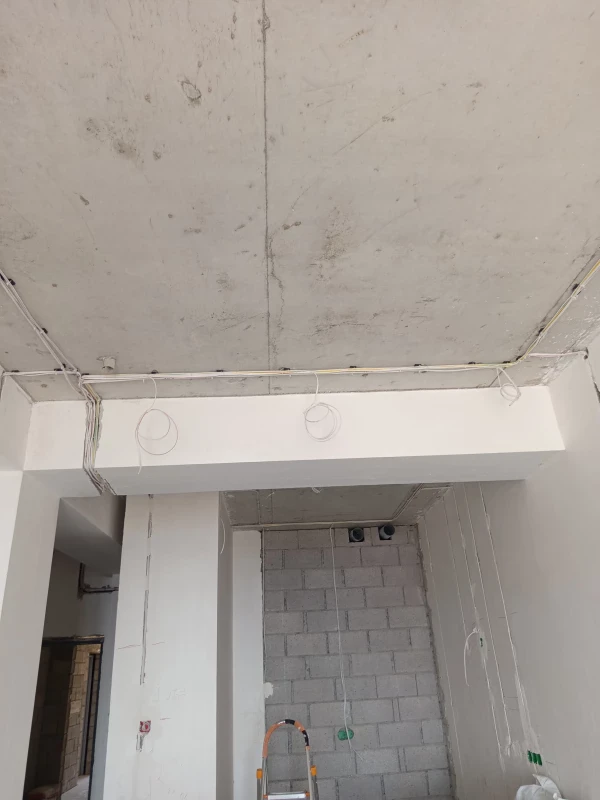
Electrical first-fix should be coordinated with partitions, ceilings, plumbing, heating, ventilation, cabinetry, security systems and finishes. Drawings should show outlet heights, switching, equipment isolators, cable pathways and distribution-board location. Resolve clashes before drilling or concealment whenever possible.
Agree who supplies fixtures and specialist equipment, makes openings, repairs wall chases, provides access equipment and removes old components. Before cables are hidden, record routes and inspect the work that will no longer be visible. Changes requested on site should be priced and documented before installation.
Keeping an occupied property or business operating
When the premises remain in use, identify circuits and equipment that cannot be interrupted without preparation. Plan shutdown windows, temporary supplies where appropriate, communication with occupants and safe separation of the work area. Temporary arrangements require suitable protection; improvised extension leads should not become a substitute for a planned installation.
The electrician should explain which areas will lose power, for how long and what must be switched off or protected beforehand. For equipment sensitive to outages or reconnection, follow its manufacturer and responsible specialist’s requirements. No schedule should pressure the installer to energize unfinished or unverified work.
Distribution boards and electrical protection
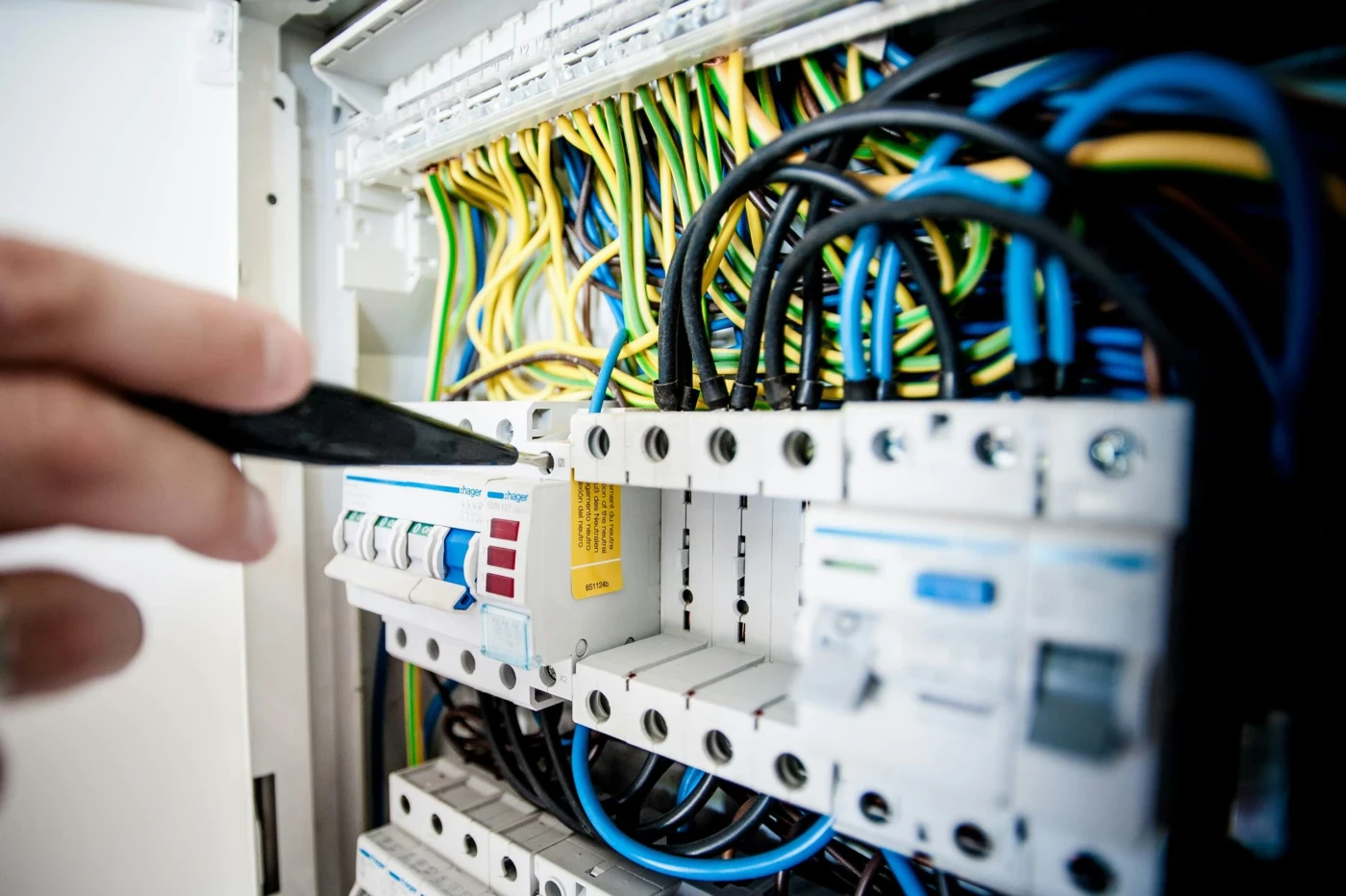
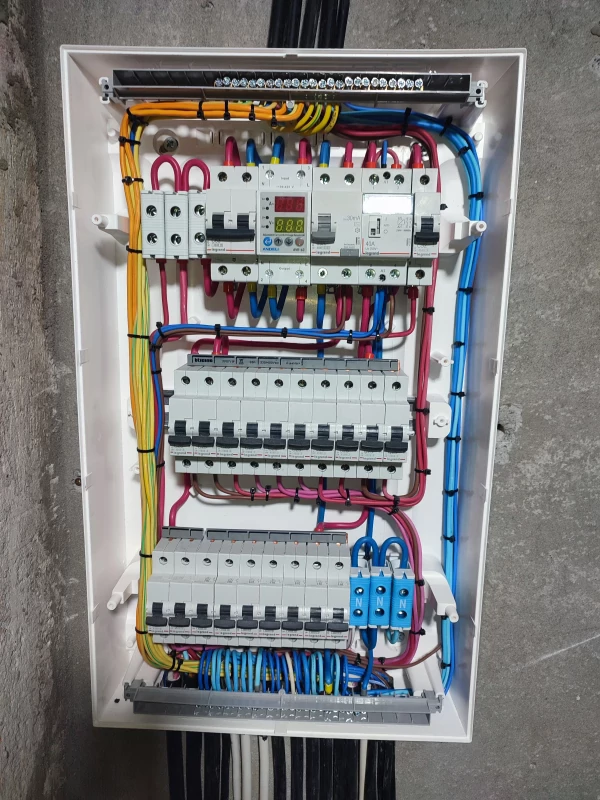
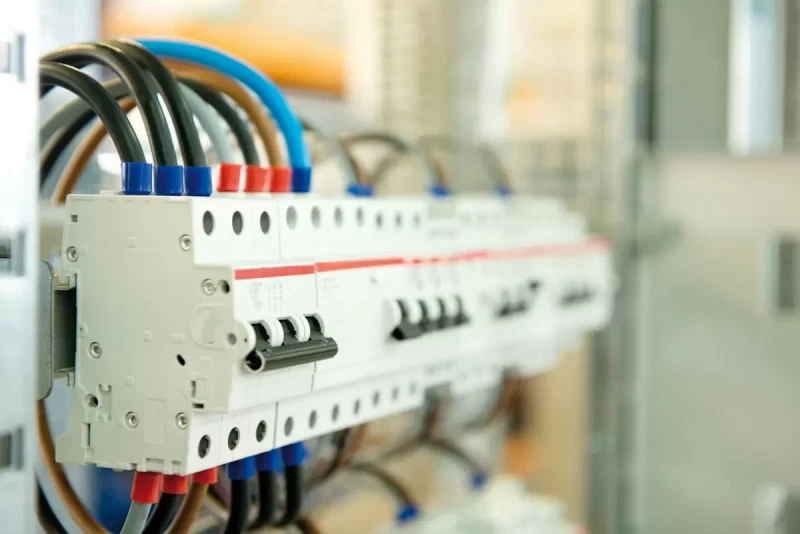
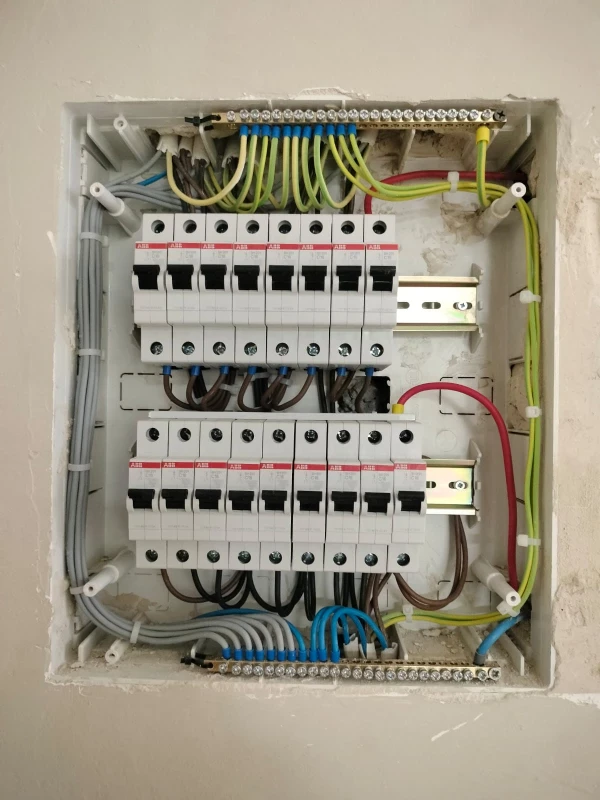
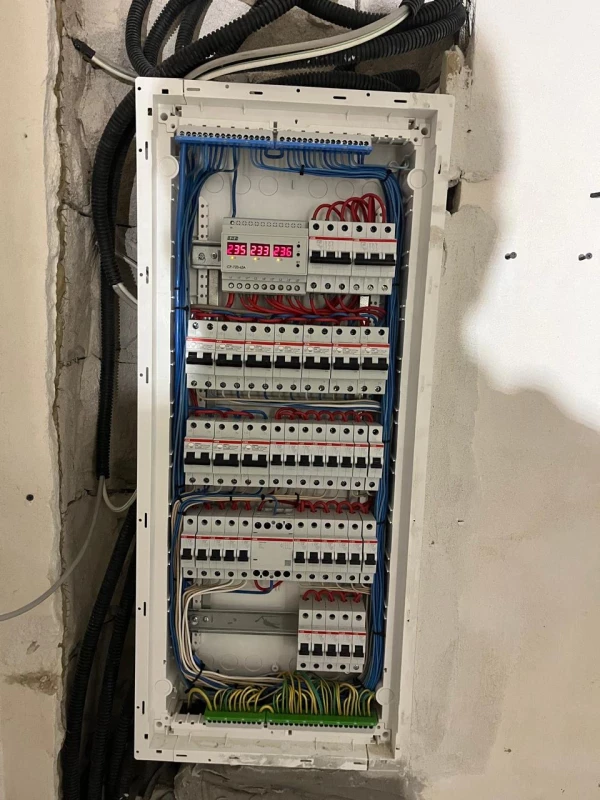
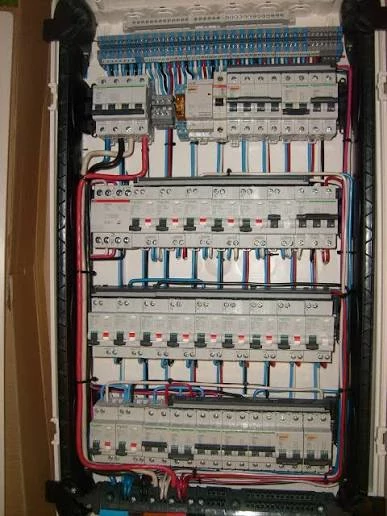
A board should contain appropriate protective devices, secure connections and durable circuit labels. Ask how the design addresses overload, short circuit and electric-shock protection. Residual-current, surge or other protective devices should be selected for the system and their role explained; simply adding devices without correct coordination does not guarantee safety.
Repeated tripping is a reason for diagnosis, not automatic replacement with a higher-rated breaker. The cause may be overload, faulty equipment, damaged wiring or another condition. Increasing the rating without verifying the protected conductors can create a serious hazard.
Special environments and equipment
Outdoor, wet, dusty, hot or mechanically exposed locations need equipment and installation methods suitable for the actual environment. Describe cleaning methods, water sources, heat, chemicals and impact risks. For kitchens, bathrooms, workshops and technical rooms, ask how location and equipment affect protection and routing.
Provide manuals or data plates for machinery, pumps, heating or cooling equipment, chargers, cooking appliances and other significant loads. Confirm responsibility for final connection and commissioning. Electrical supply installation does not replace the equipment manufacturer’s setup or another specialist’s commissioning where those remain necessary.
Testing before handover
Operating lights and sockets are only part of acceptance. The completed work should receive the visual checks and electrical tests appropriate to its scope before handover. Depending on the installation, verification may cover continuity, insulation, polarity, earthing, protective-device operation and functional performance. Ask what will be recorded and supplied to the client.
Handover documents may include an updated circuit schedule, drawings or marked plans, photographs of concealed routes, test results, product instructions, material details and warranty terms. Check that labels match the actual circuits and that the agreed controls and equipment work. Keep the records for maintenance and later alterations.
Recognize immediate electrical danger
Burning smell, smoke, sparking, melted fittings, shock, tingling from metalwork or repeated operation of protective devices requires prompt assessment. Stop using the affected circuit or equipment and keep people away. If there is immediate danger of fire or electrocution, disconnect power only if this can be done safely and contact the appropriate emergency service.
Do not touch exposed wiring, open energized equipment or attempt to hide the fault. Remote photos cannot establish that a circuit is safe, and no one should approach live parts merely to prepare a quotation.
Compare scope and price
Pricing reflects the number of circuits and points, cable routes, board work, supply assessment, access, materials, fixtures, equipment connections, testing, demolition and restoration. A site inspection may be needed before the provider can give a reliable fixed amount.
Request an itemized proposal showing labour, principal materials, client-supplied items, testing, wall repairs, waste removal, exclusions and possible variations. For a larger project, link payments to clear milestones such as approved layout, first-fix inspection, second-fix completion and tested handover. Compare the same deliverables and responsibility, not only the bottom-line figure.
Find electricians in Yerevan through Turn.am
View electrical installation service listings on Turn.am and contact suitable providers directly. Turn.am is a marketplace and does not perform the work or set the independent electrician’s fees, timetable or warranty.
Send the property type, plan, required work, equipment specifications, available supply information, access restrictions, operating hours and deadline. Ask who will design, install, test and document the system and whether any part will be subcontracted. Relevant technical explanations and a complete written scope are more useful comparison points than a large but unrelated photo portfolio.