







Carpet Cleaning in Yerevan
Vacuuming, treating one stain, cleaning fitted carpet and washing a removable rug are different services. The appropriate process depends on the fibres, dyes, backing, construction, previous treatments and type of contamination. When arranging carpet cleaning in Yerevan, describe the item carefully and compare the proposed preparation, washing or extraction, drying, transport and return conditions—not only the headline price. Turn.am lets you review relevant listings and contact providers directly.
Identify the carpet before requesting a quote
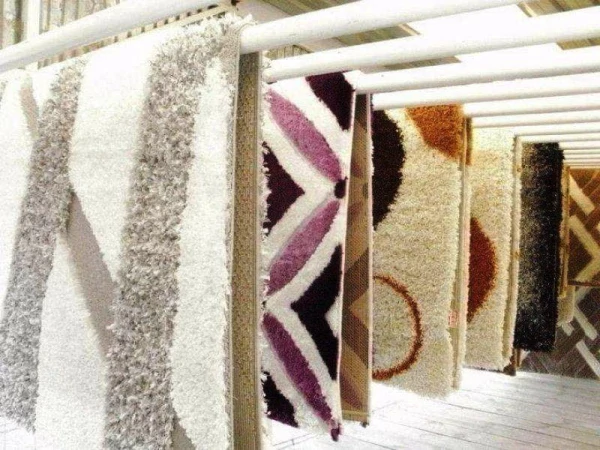
A useful request includes the carpet's dimensions, approximate age, production method and fibre type, whenever known. Wool, cotton, synthetic, silk, handmade and machine-made carpets should not automatically receive the same treatment. A rubber or glued backing, a long pile, loose fringe and decorative inserts also affect the safe process. Photograph the care label if it is still attached. If you do not know the material, send a clear full view along with close pictures of the pile, edge and reverse side in natural light.
For an old, handmade or valuable carpet, ask whether the cleaner tests colour stability on a small, inconspicuous area. Strong reds, blues and other saturated dyes may migrate into lighter sections under the wrong conditions. A statement that every carpet goes through one standard machine is not enough for a sensitive item. The provider should be able to explain how water temperature, chemical contact time, mechanical action and drying speed are controlled.
The history of a stain matters
Wine, coffee, grease, blood, urine, paint, wax and rust require different procedures. Tell the specialist what caused the mark, when it happened and which products have already been used. Hot water can set some stains, while a random household remover may bleach the fibre or react with a professional product later. Do not hide an earlier treatment even if you cannot remember its brand. That information helps the cleaner avoid another chemical that could worsen the damage.
With pet urine or old organic contamination, removing the visible patch does not necessarily eliminate the source of the odour. Ask whether the treatment reaches the backing or addresses only the surface. Deep contamination may need a second process, and a responsible provider will not guarantee complete removal before assessing the carpet. A realistic explanation of limitations is more useful than an unconditional promise that every stain and smell will disappear.
Workshop washing or cleaning at your address
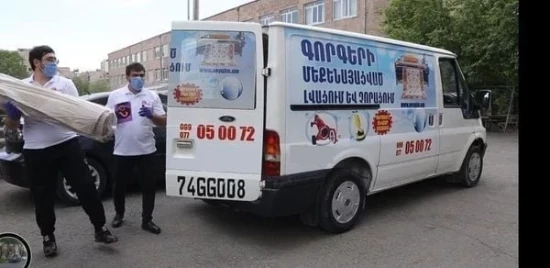
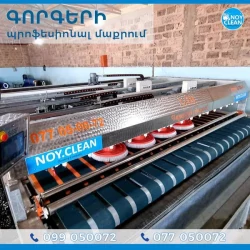
A removable rug may be collected for workshop washing when its construction and condition permit. A suitable facility can provide separate dry-soil removal, full-surface treatment, rinsing and organised drying. Ask whether collection and return within Yerevan are included, how the rug is identified at intake and in what condition it will be returned. Record existing tears, worn edges, loose stitching, fading and repairs at handover.
Fitted carpet normally has to be cleaned on site. The provider then needs to know the room type, approximate area, furniture that must be moved, access to water and electricity, ventilation and the time available for drying. Surface extraction can be suitable for routine maintenance, but it is not identical to a full wash of every construction. Explain whether the property is a home, office, hotel room or high-traffic commercial space, since the soil pattern and practical schedule will differ.
What determines the price in Yerevan
A quote may use the rug's area or state one amount for the complete job, but the number is meaningful only with a defined scope. Material, pile, construction, stains, odour treatment, fringe work, collection and urgency can affect the work required. Ask whether there is a minimum charge, whether transport is separate and whether unusual weight or access changes the collection cost.
Without a verified rate for the exact rug and scope, a citywide average would not be useful. Send the same dimensions, photographs and stain history to suitable providers. Request an itemized answer showing collection, stain treatment, odour treatment, washing, drying, packaging and return. Clarify whether the quote is final or may change after inspection, and agree that additional paid work requires approval.
Questions worth asking before collection
- Do you regularly clean this fibre and construction type?
- Will you inspect weak areas and test colour stability first?
- How do you remove detergent residue and control the drying process?
- Can you treat the specific stain or odour, and what result is realistic?
- How long will the work take, and how is transport in Yerevan organised?
- What happens if an untreated area or residual smell is found after return?
Keep written confirmation and photographs when handing over an expensive item. The images should show the overall condition, edges, fringe and every problem area. If the offer also includes repair, fringe replacement or colour restoration, separate those tasks from ordinary cleaning. Agree on their price and expected appearance rather than assuming they are part of the washing fee.
How to inspect a cleaned carpet
Do not judge the result only by fragrance or brighter surface colour. Confirm that the backing is dry, the dimensions and shape are stable, the pile is reasonably even, the edges have not opened and no dye has travelled into neighbouring areas. Heavy perfume can temporarily conceal a residual smell and does not prove that deep contamination was removed. If the carpet is sensitive, do not rub or test it with another product without asking the cleaner.
A carpet should not be folded or placed on a damp floor immediately after washing. If it arrives slightly moist, request precise drying instructions and document the condition. Leaving it rolled in a closed room can encourage mildew and a persistent musty odour. During the first days after installation, watch for returning smells or moisture under the backing. Contact the provider promptly with photographs before attempting another home treatment.
Common mistakes that shorten a carpet's life
Hard scrubbing can spread a stain, untwist the pile and push contamination deeper. Mixing bleach, ammonia or several commercial products can damage fibres and create unsafe vapours. Steam is not automatically suitable for every carpet, and soaking a glued backing may cause separation. Hanging a heavy wet carpet from one narrow edge can stretch its construction. These risks are reasons to give the specialist complete information rather than request a generic wash without material assessment.
Be cautious with a quote that promises every stain will vanish without seeing a photograph, identifying the fibre or asking what has already been applied. Also avoid comparing offers that include different work. One provider may quote only the wash, while another includes collection, specialised stain treatment, drying and return. The cheaper headline figure can become the more expensive choice once necessary extras are added.
Care after professional cleaning
Regular vacuuming reduces the fine grit that cuts fibres as people walk over the carpet. Blot a fresh spill with a clean, light-coloured cloth instead of rubbing it. Rotate the carpet periodically where direct sunlight creates uneven fading, and use suitable supports under heavy furniture legs. Ask the provider how long to wait before placing furniture back, especially if the carpet or underlay retained moisture.
The cleaning interval depends on use, visible soil, spills, odour, fibre condition and the manufacturer's care guidance rather than one universal calendar. Unnecessary aggressive treatment can also damage a sensitive construction. Keep the service record and product advice, and contact the provider promptly if an agreed issue reappears after the rug is fully dry.