

















Upholstery and Furniture Cleaning in Yerevan
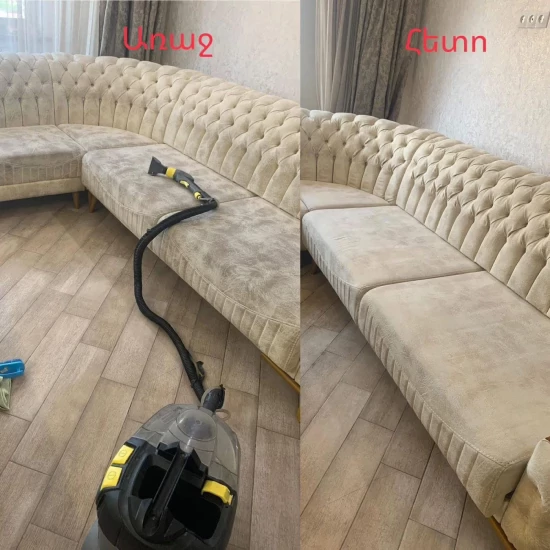
Professional upholstery cleaning can remove accumulated soil, food residue, body oils and some stains from sofas, armchairs, dining chairs, headboards and mattresses. The safe process depends on the covering, dyes, filling, construction and products previously applied. A method suitable for a common synthetic sofa may damage viscose, velvet, silk blends, leather, suede or vintage upholstery.
Turn.am lists independent upholstery-cleaning providers in Yerevan. You can compare service descriptions and contact cleaners directly. Turn.am does not inspect the furniture, perform the cleaning or set prices and drying times.
“Dry cleaning” may describe different processes
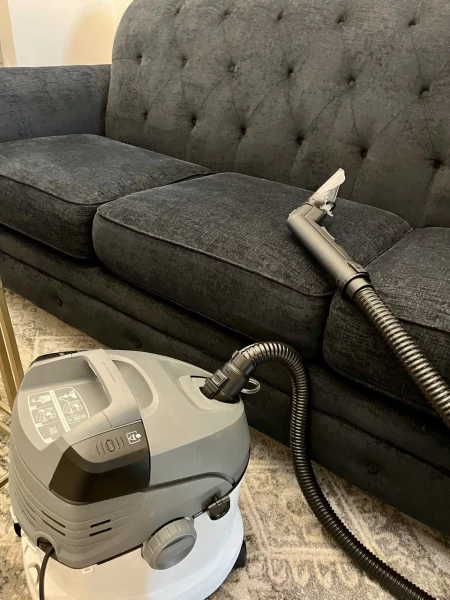
Furniture services advertised as dry cleaning may use hot-water extraction, controlled rinsing, foam, low-moisture products, solvent-based spot treatment or a combination of methods. Ask the cleaner to name the proposed process rather than relying on the category label. The goal is not always to avoid water completely, but to use a method compatible with the upholstery and control residue and moisture.
Share the manufacturer’s care label when available. The cleaner should still inspect the item because labels can be missing, incomplete or refer only to the outer fabric. Seams, backing, dyes, adhesive, decorative trim and the filling may react differently from the visible surface.
Describe every item and stain accurately
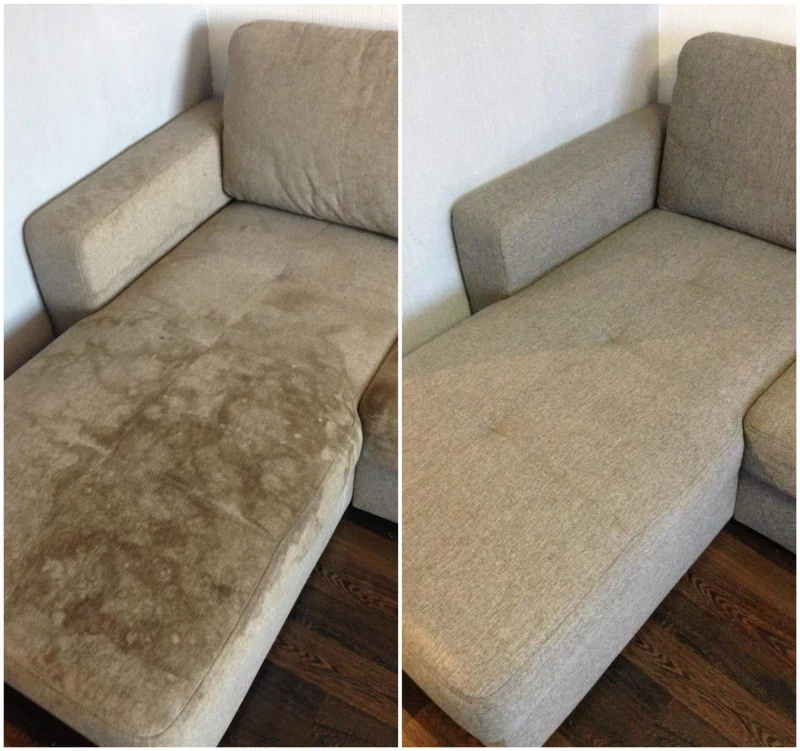
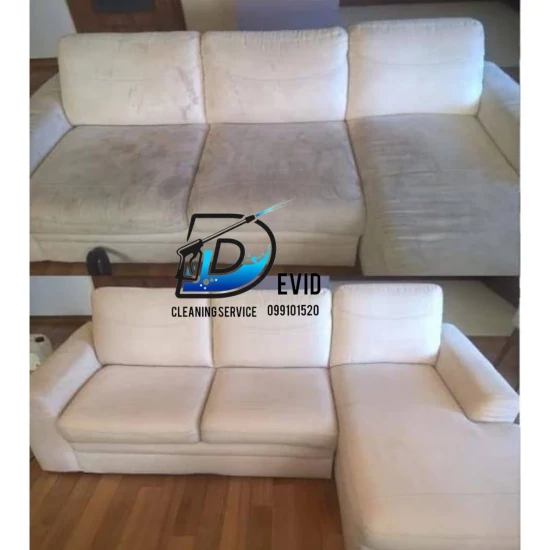
Send a full photograph of each item and close views of stains, worn areas, seams and removable cushions. State the approximate size, number of seats and whether both sides of loose cushions need cleaning. Mention pet hair, odour, colour transfer, old water marks and any previous home or professional treatment.
For a stain, explain what caused it, when it happened and what has already been applied. Rubbing, bleaching or mixing household products can spread the mark, remove colour or set the residue. Stop experimenting and let the cleaner assess the current condition. A stain’s appearance alone does not always identify its source.
Inspection and testing protect the upholstery
Before full cleaning, a provider may check colourfastness, pile distortion, shrinkage risk, texture, previous damage and how quickly moisture can be recovered. Testing an inconspicuous area can reduce risk, but it cannot guarantee that every old or damaged section will respond identically.
Ask about experience with the exact material, not merely furniture of a similar colour. Leather cleaning and conditioning is different from fabric extraction; mattresses, fixed headboards and commercial seating also present different access and drying conditions. If the material cannot be identified confidently, a more conservative method or refusal may be the responsible recommendation.
Set realistic expectations for stains and odours
A cleaner should not promise complete removal of every stain before inspection. Sun fading, dye loss, abrasion, worn pile, damaged foam, old adhesive marks and chemical damage are not ordinary dirt. Removing a mark safely may be impossible if stronger treatment would alter the colour or texture.
Odour can remain when contamination has reached foam, wood or other internal layers. Surface cleaning may improve the item without reaching every source. Urine, smoke, heavy biological contamination, visible mould, sewage or pest activity should be described in advance; some cases require specialist remediation, filling replacement or disposal rather than routine upholstery cleaning.
Prepare the room and access
Tell the provider the address, floor, lift availability, parking or unloading restrictions and the distance from the entrance to the furniture. Confirm access to suitable water and electricity if the equipment needs them. If the service is for an office, café or furnished rental, agree which items are cleaned first and when each area must return to use.
Remove small objects from and around the furniture, but do not dismantle mechanisms or wash removable covers unless the manufacturer’s instructions and cleaner support it. Protect or identify delicate flooring, nearby wood, walls and electrical connections. Arrange a safe place for children and pets away from hoses, equipment and damp furniture.
Drying is part of the service plan
Drying time depends on the cleaning method, fabric, filling, amount of moisture removed, room temperature, airflow and humidity. Ask for a realistic range after inspection rather than a universal promise. The surface may feel dry before deeper filling is ready for use.
Follow the provider’s ventilation and use instructions. Avoid covering, sitting on or replacing cushions too early, as restricted airflow can prolong dampness and contribute to odour or marks. Ask what reaction is normal during drying and when to contact the cleaner about persistent moisture, discolouration or a returning stain.
Compare quotations item by item
Price may depend on item size and construction, number of cushions, material, stain treatment, odour work, access, travel and the selected process. Ask whether vacuuming, spot treatment, both sides of cushions, arms, backs, decorative pillows and drying assistance are included. Mattress cleaning, leather conditioning and protective treatments should be listed separately when offered.
Before booking, confirm:
- the furniture and surfaces included;
- the proposed method and any material limitations;
- which stains or odours may remain;
- the total price and reasons it could change after inspection;
- the expected drying conditions and use restrictions;
- what happens if a cleaning-related mark appears after drying.
Browse upholstery-cleaning services on Turn.am and send suitable providers the same item list, photographs and stain history.