
















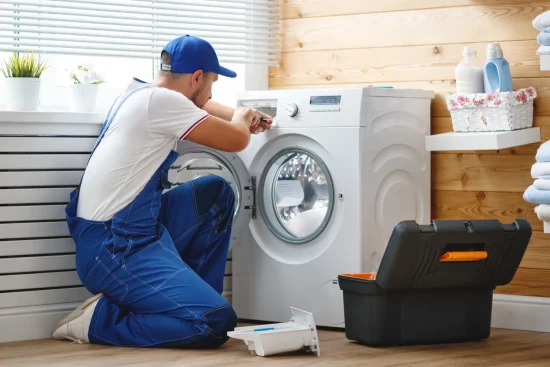


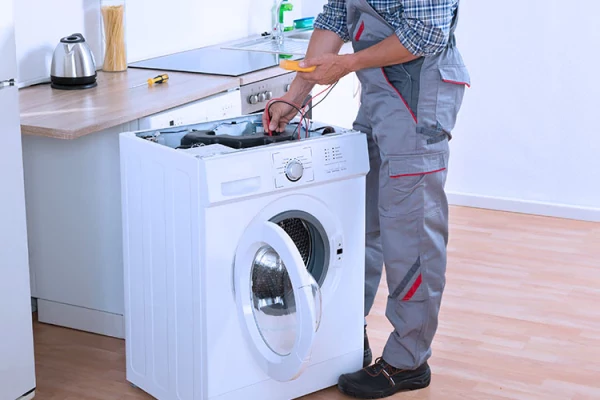

Washing machine repair
A useful repair request describes what the washing machine does rather than guessing which component has failed. Provide the exact model, any displayed error code, the programme in use and the stage at which the fault appears. Explain whether the appliance powers on, fills, drains and spins, and note any leak, unusual sound or smell. This information helps a technician prepare, although inspection is still needed to establish the cause and repair scope.
A symptom is not a complete diagnosis
Failure to drain, excessive movement or an interrupted cycle can have more than one explanation. Ask what was tested, what the findings show and whether the proposed work addresses the underlying fault rather than only its consequence. Avoid dismantling the appliance simply to confirm an assumption. If there is smoke, a burning smell, an electrical trip or an active leak, stop using it and seek appropriate professional guidance.
Make the quotation and parts clear
Before booking, confirm the terms for the visit and diagnosis. After inspection, ask for labour and parts to be identified separately, and approve any change in scope or price before additional work proceeds. For a replacement component, establish its identity, compatibility with the exact model, whether it is new or reconditioned, and any applicable warranty terms.
A repair-versus-replacement decision should consider the confirmed fault, total proposed cost, actual condition of the appliance and availability of the required component. The age of the machine alone does not settle the question; the diagnosis of that particular appliance is more useful than a universal rule.
Test the relevant functions after repair
Ask for a test that covers the functions affected by the work. Check filling and drainage, door locking, visible connections and whether the original symptom returns. Keep the work description, part details, payment record and warranty conditions where a warranty is offered.
Browse washing machine repair services on Turn.am, compare the information providers publish and contact the selected provider directly.