










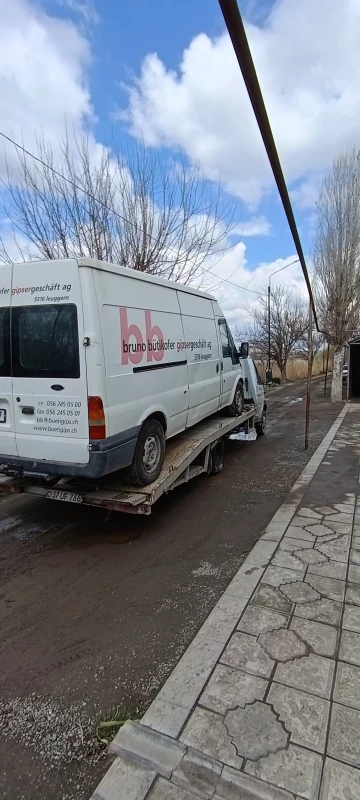

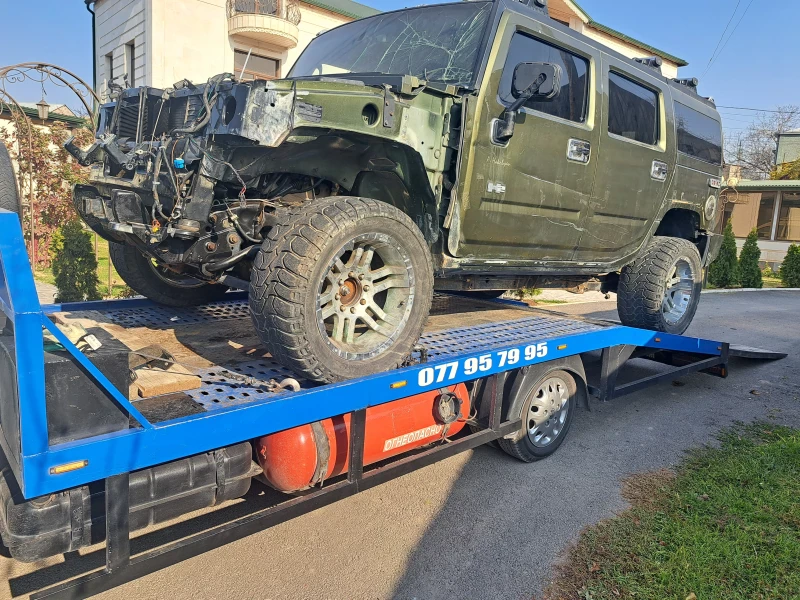




Crane Tow Truck Services in Yerevan
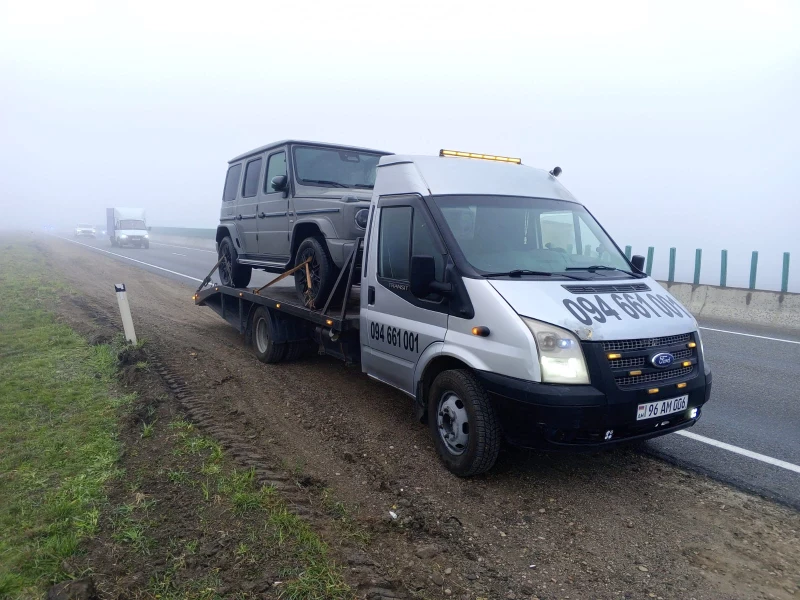
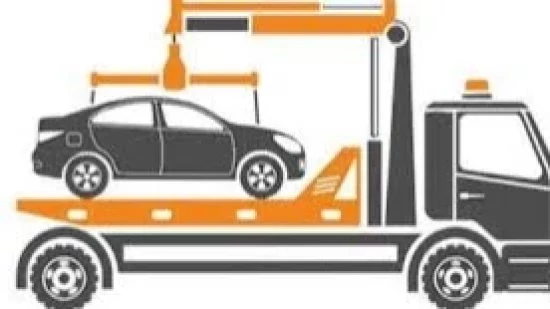
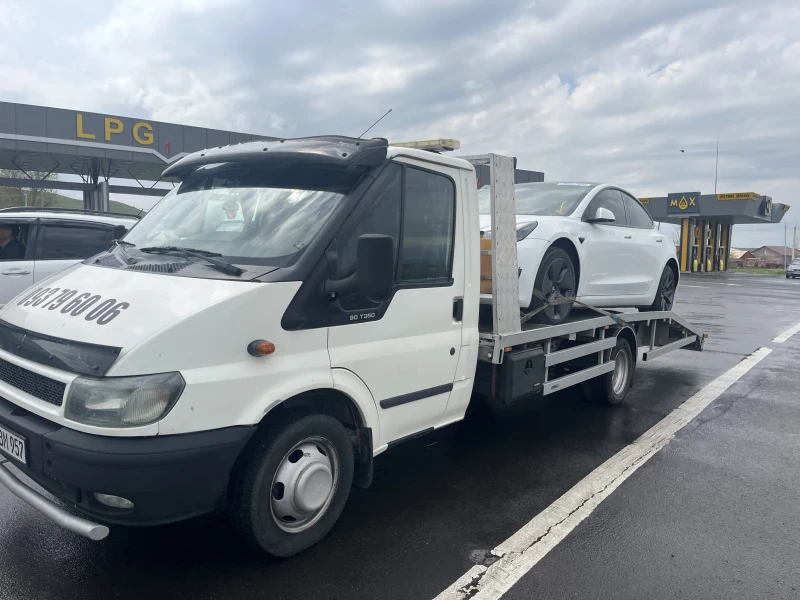
A crane tow truck combines lifting equipment with a transport platform. It can recover a vehicle that cannot roll, cannot be winched safely or sits behind an obstacle, then place it on the carrier for transport. This is different from an ordinary flatbed or wheel-lift tow, and the correct truck depends on the vehicle’s mass, condition, lift distance and available setup space.
Turn.am lists independent tow and recovery providers in Yerevan. You can compare published service information and contact operators directly. Turn.am does not dispatch equipment, plan the lift, transport the vehicle or set the price.
When a crane-assisted recovery may be needed
An ordinary flatbed may be enough when the vehicle can roll, steer and be winched along a safe approach. A crane-manipulator may be more appropriate when wheels or steering are locked, collision damage prevents rolling, the vehicle is below road level, tightly blocked by other objects or must be lifted over a barrier. It may also be considered for incomplete, very low-clearance, classic or otherwise delicate vehicles when a steep loading angle would create additional damage.
Do not order the largest-looking truck by default. A crane may be unable to enter an underground garage or deploy stabilisers on a narrow or weak surface. In some situations a compact recovery unit, wheel skates or a staged move to an open loading point may be safer. The operator should choose the method after reviewing the actual geometry.
Information dispatch needs before sending a truck
Provide the vehicle make, model, body type and approximate mass, plus the exact pickup and destination. State whether keys are present, the transmission can enter neutral, the parking brake releases, wheels turn, steering works and loose parts are secured. Describe collision damage, fluid leaks and any damage near an electric vehicle’s high-voltage battery area.
Send wide photographs from the truck’s likely approach, both sides of the vehicle and the intended lift path. Show walls, gates, trees, overhead wires, parked cars, slopes, soft ground, basement slabs and ceiling clearance. A map pin and close photograph of the damage do not show whether the boom, platform and stabilisers can be positioned safely. Never crawl beneath an unstable vehicle to take pictures.
Crane capacity depends on setup and lift radius
A crane’s headline maximum capacity does not apply at every boom extension. The permissible load changes with outreach, equipment configuration, rigging and stabiliser setup. The carrier platform also has its own payload and dimensional limits. Ask the operator to confirm that both the planned lift and the subsequent transport suit the vehicle.
Ground support matters as much as crane size. Stabilisers need suitable space and a surface that can carry the load; hidden voids, covers, soft shoulders and sloped ground can make the proposed position unusable. The final plan may therefore change after the operator inspects the site.
Keep clear while the vehicle is suspended
The operator must control the work area, lifting points, slings, boom and stabilisers. Bystanders should remain outside the exclusion zone and follow instructions. Never stand below a suspended vehicle, inside the crane’s swing area, between the vehicle and platform or where a failed line or shifting load could travel.
Overhead power lines, moving traffic and restricted public access require particular caution. Do not move wires, direct traffic or attach lifting gear yourself. If the location cannot be controlled safely, the recovery may need a different time, equipment position or coordination with the property manager or relevant authority.
Damaged, electric and special vehicles need model-specific handling
Lifting and towing points vary by vehicle. Suspension arms, body panels, battery enclosures and unidentified attachment points should not be used merely because they are easy to reach. Tell the operator about aftermarket bodywork, lowered suspension, missing wheels and pre-existing underside damage, and make the owner’s manual or manufacturer recovery guidance available where possible.
Electric and hybrid vehicles require extra care because towing on a driven axle can cause damage, while a collision-damaged high-voltage battery can present electrical and fire hazards. Inform dispatch that the vehicle is electric or hybrid. If there is heat, smoke, sparks, unusual noise, leaking from the battery area or another immediate hazard, keep away and contact emergency services rather than arranging routine towing.
Loading is not complete until the vehicle is secured
The crane rigging used for lifting and the restraints used for road transport serve different purposes. Once the vehicle is on the platform, it must be immobilised with appropriate securement so it cannot roll, shift or fall during braking and turns. A winch line alone should not be treated as the complete transport restraint.
Before movement, photograph the vehicle’s condition and agree how loose panels, open windows, keys and personal items will be handled. At the destination, confirm there is enough access to unload without creating the same obstacle again. Record visible new damage before the truck leaves and keep the destination handover or payment confirmation.
How crane recovery is priced
The quotation may depend on dispatch distance, urgency, vehicle mass, crane reach, recovery difficulty, setup time, additional rigging, waiting, destination distance and access at both ends. Night work, traffic control, a second vehicle or a staged recovery can change the scope. Give every provider the same photographs and facts so the estimates are comparable.
Before confirming, ask:
- which truck and recovery method are proposed;
- whether lifting, loading, securement and unloading are all included;
- how mileage, waiting and difficult access are charged;
- what conditions could change the price on site;
- whether extra coordination or equipment may be required;
- what payment evidence and service record will be provided.
Browse crane tow truck services on Turn.am and send suitable operators complete vehicle and access information before dispatch.