
















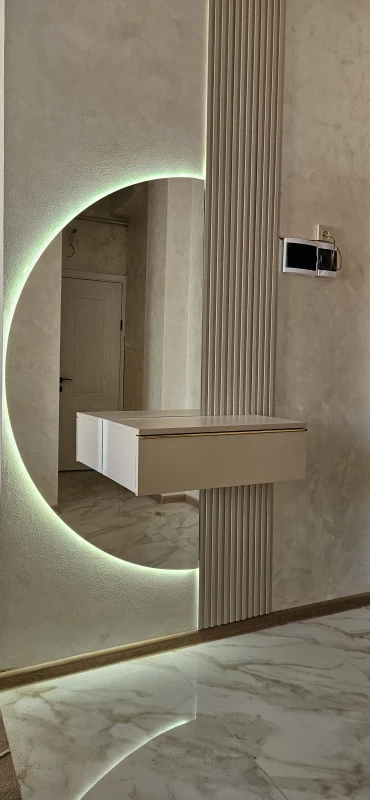

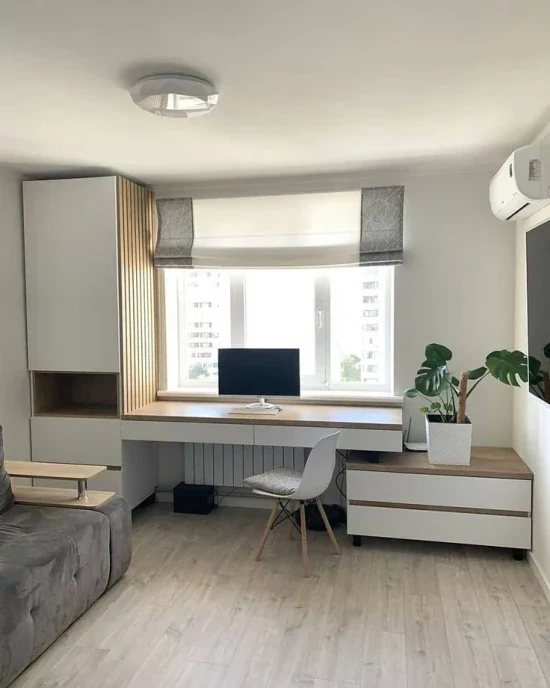

Custom Furniture and Made-to-Measure Furniture
Custom furniture lets you agree on dimensions, internal storage and everyday usability as well as appearance. On Turn.am, find furniture makers and workshops, browse their work and customer reviews, and choose a provider suited to your project. Discuss measuring, materials, pricing and installation directly with the maker.
What Would You Like to Order?
In your first enquiry, describe the furniture's purpose, approximate dimensions and intended location. A photograph or style reference helps explain the appearance, while details of how you will use it help define the construction and storage layout.
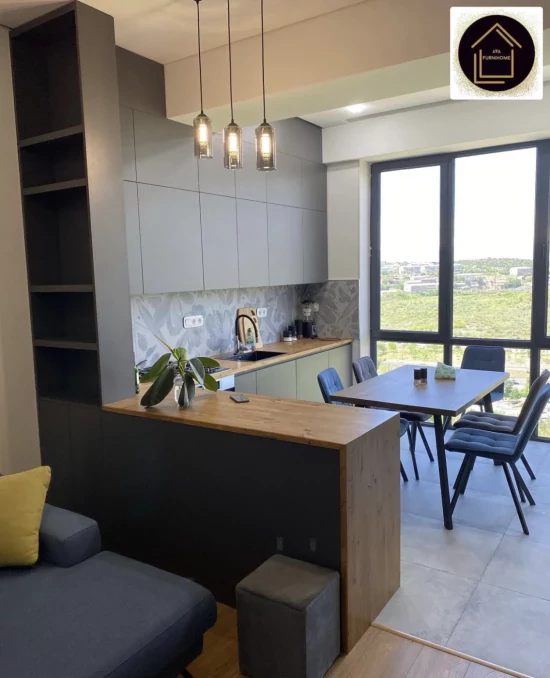
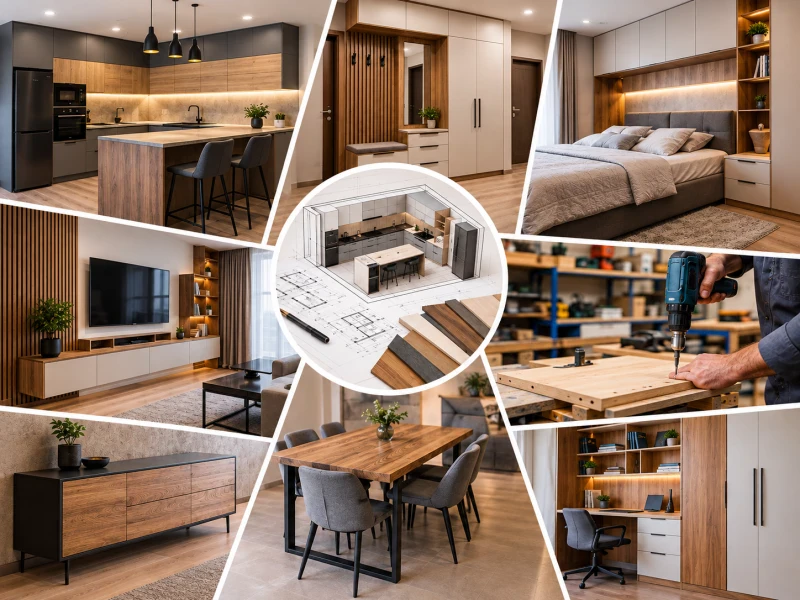
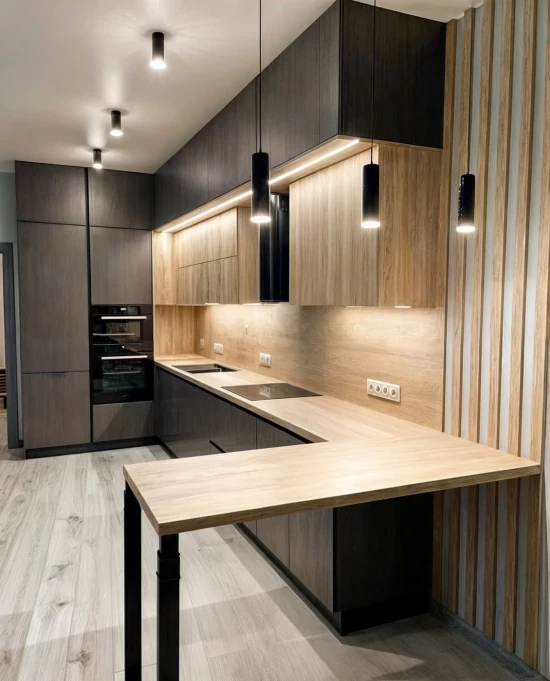
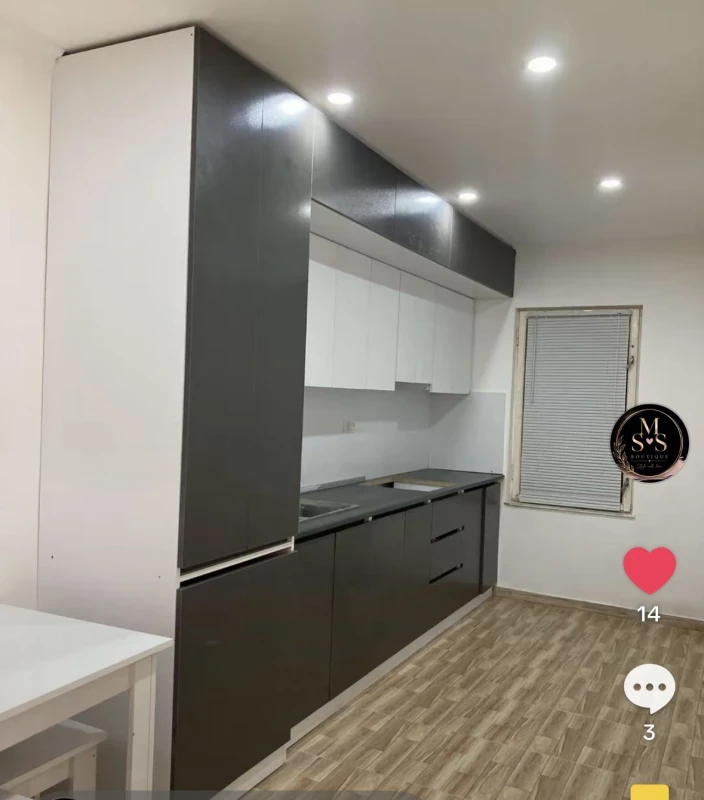
- Custom kitchen furniture: specify appliance positions, storage needs, worktop preferences and sink requirements.
- Wardrobes and dressing rooms: discuss hanging space, shelves, drawers and hinged or sliding doors.
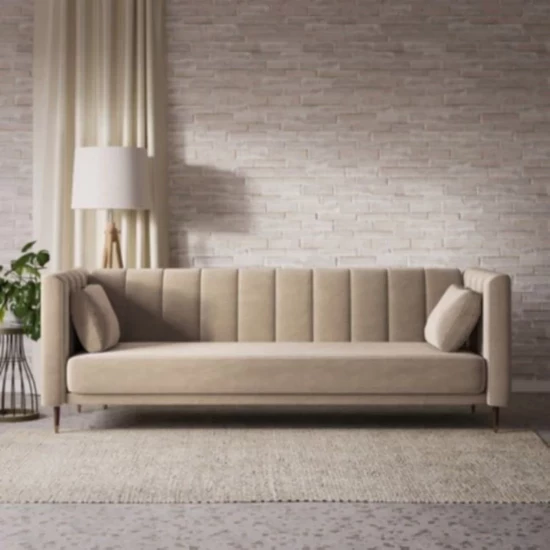
- Bedroom and living-room furniture: describe your requirements for a bed, chest of drawers, TV unit or other piece.
- Bathroom furniture: explain exposure to water and humidity and the positions of existing pipes.
- Office and commercial furniture: specify workstation numbers, equipment, cable routes and storage needs.
For upholstered or other specialist furniture, confirm that the workshop handles that particular work. A portfolio in one furniture type does not establish capability in every area.
Custom Furniture Prices: Comparing Quotes
Compare projects with the same dimensions, materials and fittings. Two similar-looking wardrobes may differ in drawer count, opening mechanisms, concealed materials and assembly arrangements. Request an itemised proposal from each maker.
- Are measuring and design included?
- Which materials are specified for the carcass, fronts and back panels?
- Which brands and models of hinges, drawer runners and handles will be used?
- Are worktops, lighting and accessories included?
- Are delivery, carrying upstairs and on-site assembly separate charges?
- What is the complete order price, including applicable taxes?
If kitchen furniture is advertised per linear metre, ask which cabinet heights and specifications the rate assumes. Clarify how upper and lower units, corners, drawers and tall cabinets are calculated. A starting linear-metre rate is not a complete project quote.
Specify Materials Clearly
Ask for the material type, thickness, manufacturer and colour or finish code to be recorded in the proposal. Do not compare laminated board, painted MDF, veneered materials and solid wood by colour alone. Ask about care requirements and suitability for the intended location.
Discuss edge finishing, exposed sides and internal surfaces separately. Confirm colours using physical samples where available, especially when matching existing floors or doors. Photographs and screens can represent shades differently.
Fittings and Everyday Use
Specify hinges, drawer runners and lift mechanisms as clearly as the furniture's appearance. If you want soft closing, full-extension drawers or handleless opening, identify each section where the feature is required.
Consider what you will store. Heavy crockery, long clothing, appliances and documents may need different dimensions and layouts. Ask the maker to check that opening doors and drawers will not obstruct each other, adjacent furniture or access through the room.
Measuring and Approving the Design
Approximate measurements can support an initial estimate, but agree on responsibility for final measurements before production. Mention unfinished walls, flooring or tiling that could change the installation dimensions.
For integrated appliances, provide exact models and installation specifications. Show sockets, water and drainage connections, and components that must remain accessible.
Approve dimensioned drawings, internal divisions, opening directions and the materials list. A 3D image can communicate appearance but does not replace production details.
Lead Times, Payments and Changes
Ask when the production period starts: deposit payment, final measurement or design approval. Distinguish production completion from delivery and installation dates.
Agree in writing on payment stages and design changes. Substituting unavailable materials or fittings should require your approval, including any effect on price or timing. Keep the approved specification and subsequent changes together.
Delivery, Assembly and Acceptance
Before delivery, explain the floor level, lift dimensions and access restrictions for large components. Confirm whether assembly includes necessary wall anchoring and who handles appliance or plumbing connections.
At completion, check doors and drawers, specified fittings, surfaces and visible joints. Record defects and correction deadlines, and obtain care instructions and warranty terms. On Turn.am, choose a custom furniture maker by comparing the complete proposal and experience with similar projects.