














Tile Installation Services in Yerevan
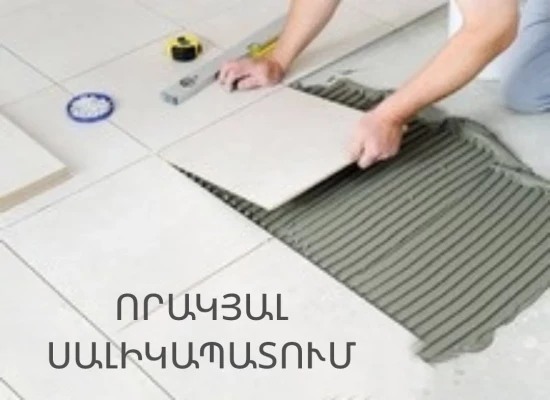
Good tile installation begins with the substrate and layout, not with spreading adhesive. The finished appearance and durability depend on the condition of the floor or wall, tile format, exposure, wet-area waterproofing, compatible installation materials and correctly detailed transitions. The same tile may need a different system in a shower, kitchen, balcony or busy commercial interior. Armenian listings may also describe the service as salikapatum.
Turn.am lists independent tile installers serving Yerevan. You can review their published service descriptions and contact providers directly. Turn.am does not carry out the work, select materials, set prices or determine warranty terms.
Define the room and tile before requesting a quote
State whether the work concerns a bathroom, shower, kitchen splashback, hallway, staircase, balcony or another area. Floor and wall applications differ, and exposure to water, temperature changes, sunlight or heavy use should be considered when selecting both the tile and installation system.
If the tile has been chosen, provide its material, dimensions, thickness and edge type. Mosaic, large-format porcelain, standard ceramic and natural stone create different cutting, handling and layout requirements. Natural stone and specialised finishes may also require product compatibility checks against manufacturer guidance.
The substrate matters as much as the area
Before confirming a price, the installer needs to know whether the tile will cover concrete, screed, plaster, backer board, existing tile, a heated floor or another substrate. The base should be sound, clean and suitable for the specified system. Dust, oil, weak layers, significant unevenness, movement and active cracks cannot be responsibly solved by applying a thicker bed of adhesive.
Removal, levelling, plastering, screeding and crack assessment are separate tasks and should appear in the scope. If the source of movement, moisture or structural damage is uncertain, an appropriate specialist may need to assess it before the surface is covered.
Waterproofing and falls in wet areas
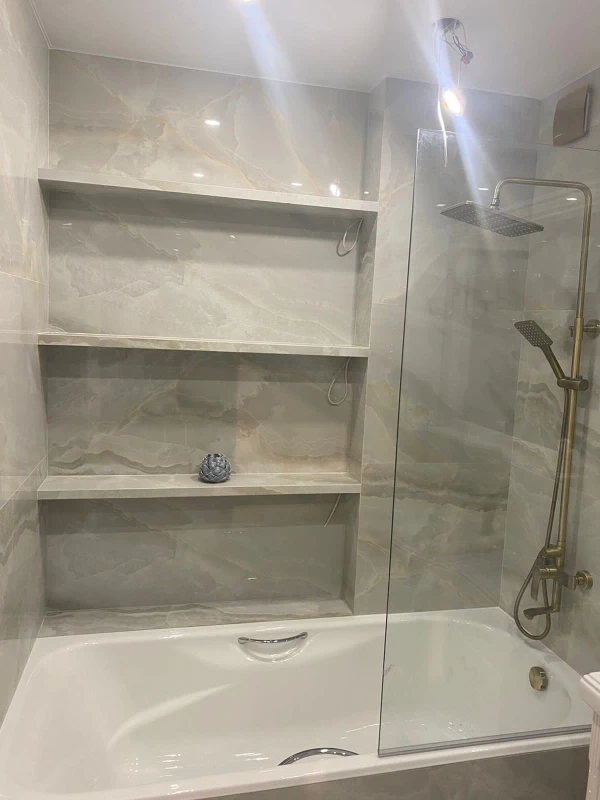
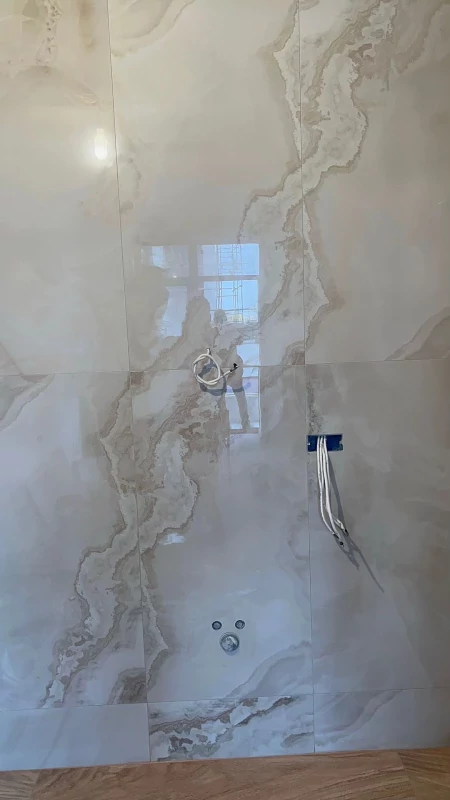
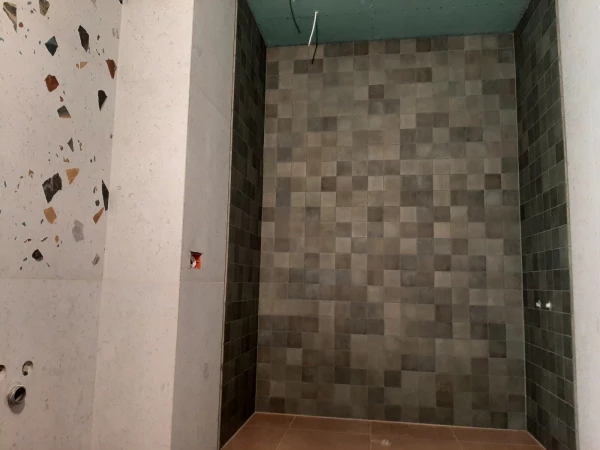
Tile and grout alone do not form the complete waterproofing system for a shower. Before tiling, agree how the membrane or other specified system will treat wall-to-floor junctions, corners, pipe penetrations and the connection to the drain. These layers will be hidden afterwards, so it is useful to inspect and photograph them before covering.
Where there is a floor drain, the substrate should direct water towards it without unintended ponding. Confirm whether forming the fall, installing the drain component and testing the waterproofing are included in the installer’s proposal or assigned to another trade.
Approve the layout before cutting begins
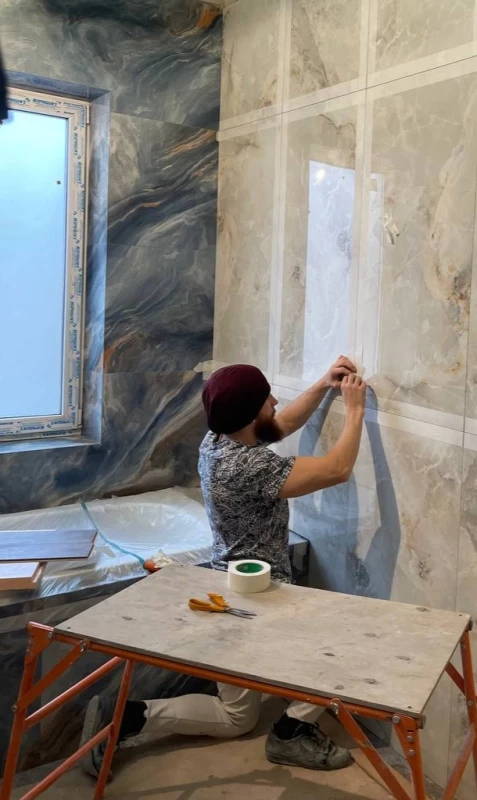
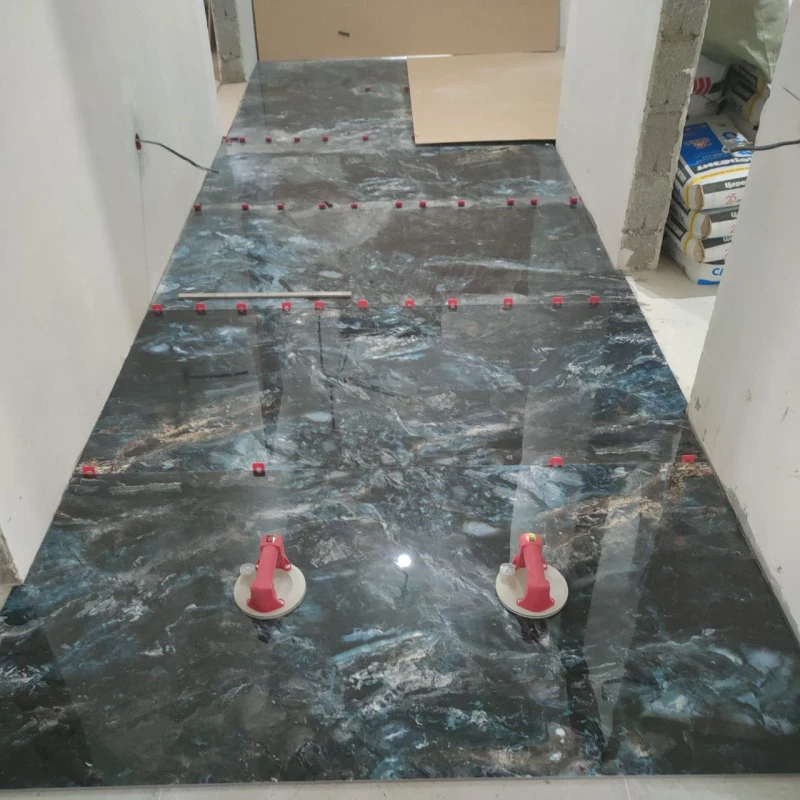
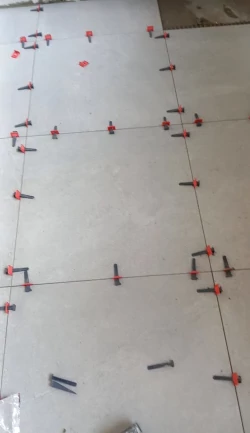
A considered layout accounts for actual tile and joint dimensions, room axes, visible edges, doors, sanitary fittings and fixed furniture. Agree where the first course starts, where cut pieces will appear, how floor and wall joints relate, and how external corners or transitions to other finishes will be detailed.
For patterned, shade-varied or large-format tile, ask to review a dry layout or clear setting-out marks. Allow for cuts and possible future replacement when ordering. The appropriate spare quantity depends on format, laying pattern and room geometry, so one standard percentage is not accurate for every job.
Adhesive, grout and movement accommodation
Primer, adhesive, grout and sealant must be compatible with the substrate, tile and service conditions. Agree the grout colour and joint width as well. Products need the manufacturer’s stated time before traffic, water exposure or heavy fixtures are introduced; a fixed universal waiting time should not be assumed.
Movement accommodation may be needed at perimeters, changes of substrate and other specified locations. Filling these areas with rigid grout can transfer stress into the tile covering. The installer should determine the relevant locations and detail from the assembly, room and applicable project requirements.
What to send and how to compare quotations
Send wide and close photographs, approximate dimensions or a drawing, a description of the substrate and details of the selected tile. Say whether the old finish has been removed, whether there is a floor drain or underfloor heating, and who will purchase and transport materials. Photographs cannot always reveal flatness or concealed layers, so a remote quotation may remain provisional until inspection.
- Separate removal, substrate preparation and waterproofing.
- Confirm whether cutting, holes, corners and finishing profiles are included.
- Identify adhesive, grout, sealant and other consumable costs.
- Agree responsibility for protection, debris removal and final cleaning.
- Record work stages, payment points and approval of additional work.
A square-metre rate does not describe the entire job. A small room with many corners, penetrations and detailed cuts may require more labour than a larger open floor. Tile size and hardness, substrate condition, pattern, edge treatment and added preparation also affect the complete price.
Inspect the work before and after completion
Photograph waterproofing, prepared substrates and concealed details before they are covered. During installation, compare the work with the approved layout, joint lines and positions of cut tiles. If an unseen problem is uncovered, request an explanation and approve the revised scope and price before extra work proceeds.
View the finished surface from different directions in normal lighting. Check visual flatness, consistent joint width and alignment, corners, edges, profiles, pipe penetrations and the fall around a drain. Hardened adhesive or grout residue should not remain after cleaning. Keep the product names, spare tiles and the installer’s written warranty terms for future reference.
Browse tile installation services on Turn.am and send suitable providers the room, substrate and tile information.