









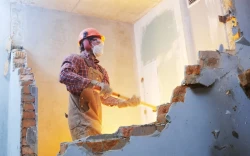




Construction Waste Removal in Yerevan
Construction and renovation waste can include dense rubble, dusty gypsum products, sharp glass, long timber, metal, packaging and complete fixtures. These materials differ in weight, handling risk and permitted collection route, so a price for one unspecified trip is not enough. When arranging construction waste removal in Yerevan, send an inventory, photographs, estimated quantity, access details and any special materials. Turn.am lets you review relevant listings and contact providers directly.
Describe the actual route from the waste to the vehicle: floor, lift permission, stair and doorway dimensions, carry distance, gate clearance and available loading space. The provider can then choose a suitable crew, vehicle and number of trips without relying on assumptions about the neighborhood or building type.
Describe the debris, not only the room size
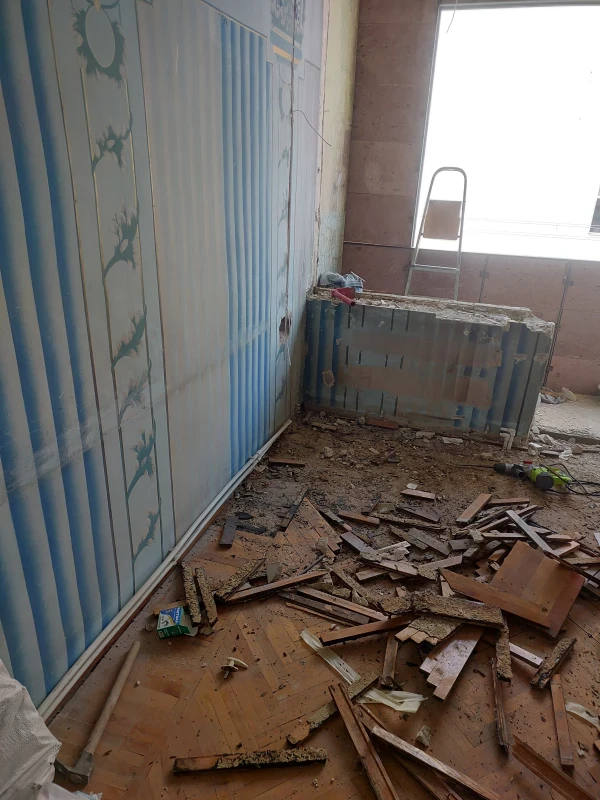
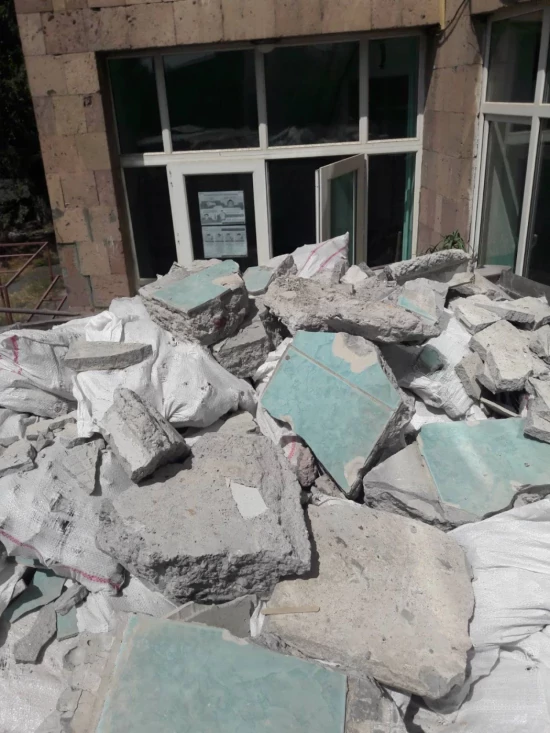
List the main materials: concrete, brick, natural stone, plaster, gypsum board, tiles, screed, soil, timber, metal frames, glass, insulation, packaging and old sanitary fixtures. Photographs need a reference for scale. Room area alone is misleading because removing wallpaper produces little waste while dismantling a thick screed or masonry partition produces a dense load.
Separate loose debris from intact objects. Doors, radiators, cabinets, bathtubs and window frames may require dismantling or two-person carrying. State whether nails, sharp reinforcement, broken glass or wet material are present. Do not conceal paint, solvents, gas cylinders, batteries, fluorescent lamps, asbestos-suspect materials or other hazardous waste in ordinary bags; ask for a suitable specialist route.
Estimate volume and weight together
Providers commonly discuss cubic metres, bags, vehicle body size or trips, but dense rubble can reach a vehicle’s weight limit before filling its body. Light mixed packaging behaves differently from concrete. Ask what maximum payload applies and how an overweight second trip is priced. A written estimate should identify both the assumed quantity and what happens if the site contains more.
Keep materials reasonably sorted during demolition. Clean metal can be removed separately, reusable items can be set aside, and heavy mineral debris should not be buried under light waste. Sorting improves measurement, reduces unsafe handling and may open a recovery route. It also prevents workers from discovering hidden glass or sharp pieces while lifting a bag.
Bags, piles, chutes and containers
Small apartment renovations often use durable bags carried to a vehicle. Bags must be light enough to handle without tearing and should not be filled to the top with dense concrete. Larger projects may use wheeled bins, a debris chute or a container, provided the site, building management and public-space conditions allow it. Never drop rubble freely from a window or balcony.
A chute needs secure fixing, controlled discharge, dust containment and an exclusion zone. A container needs stable ground and enough clearance for delivery and collection. Placement on a road, pavement or shared yard may require permission from the relevant owner or authority. The removal company should explain the required access; the client should not assume that an empty-looking curb can be occupied.
Floor, stairs and lift access
Tell the provider the floor, working lift dimensions, doorway widths, stair condition and distance from entrance to parking. Confirm whether the building permits construction debris in the passenger or service lift. Protect lift walls, floors, thresholds and stair corners. If carrying is manual, specify every level—including a basement or mezzanine—because labor can exceed the driving portion of the price.
If the property has a closed yard, narrow stairs, no lift, access control, a loading zone or restricted working hours, arrange keys, permission and a responsible contact before the crew arrives. State in advance how waiting time is handled if access is unavailable.
Vehicle access and loading plan
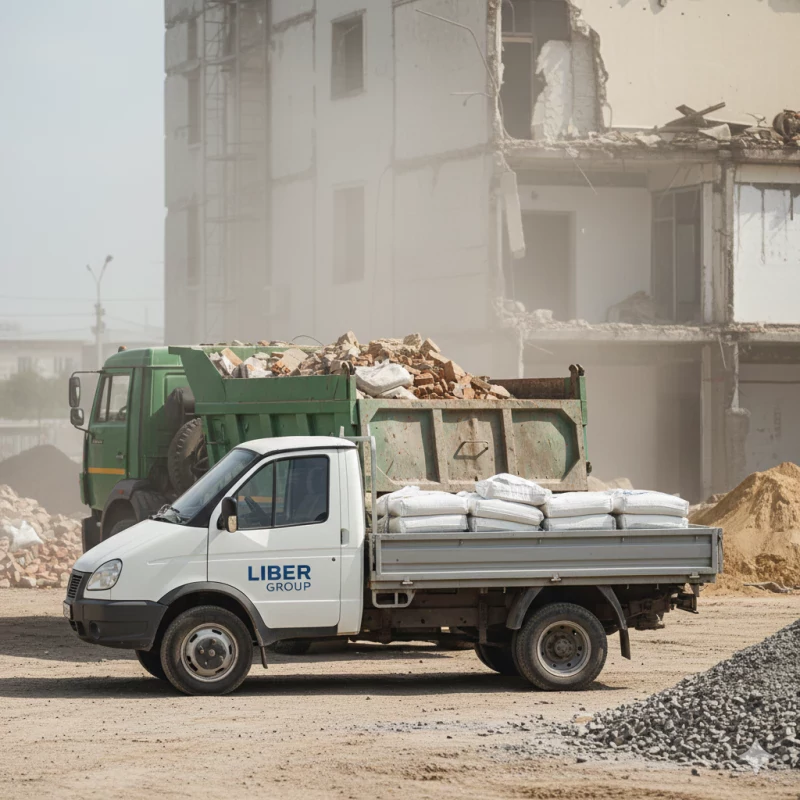
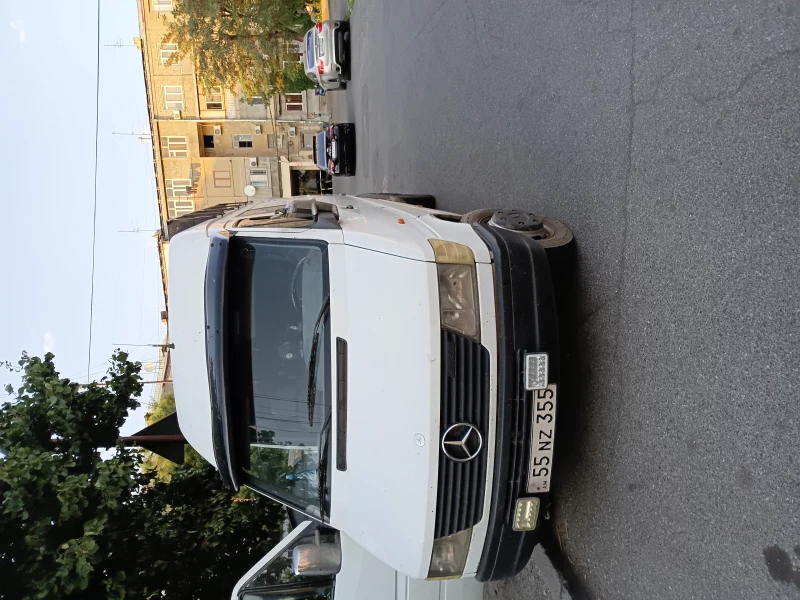
Provide photos of the approach, gate height and width, overhead cables, tree branches, ramps and turning space. Mention paid parking, restricted entry or a long carry from the building. A small truck may reach a courtyard that a large tipper cannot, though it may require more trips. The right option depends on payload, debris type and loading time, not body size alone.
Agree whether the price includes labor from the room, only loading at curbside, bags, dismantling, sweeping and transport. Identify who supplies tools and personal protective equipment. Heavy pieces may need to be reduced safely before carrying; indiscriminate breaking in a finished common area creates dust, noise and damage.
Protect neighbors and shared property
Coordinate working hours with building rules and warn neighbors when repeated carrying will affect a corridor or lift. Use covered routes, dust barriers and floor protection. Do not block fire exits. Dry sweeping throws fine mineral dust back into the air; suitable vacuuming or controlled damp cleaning is usually more effective, provided water does not create slurry or reach electrical equipment.
Record the condition of the lift, stairs, doors and facade before work. At completion, remove scattered fragments from the route and inspect for damage with the crew. This simple handover is especially useful when several renovation contractors share the site and responsibility could otherwise become unclear.
Lawful destination and traceability
Ask where the waste will be taken and whether the provider can identify a receiving or processing route that currently accepts the stated material. Do not assume that an empty plot, roadside location or household-waste area is an acceptable destination. Confirm whether any receiving charge is included in the quotation.
If traceability is required for the project, agree before collection what receipt, transfer record or other available evidence will be supplied. Keep the provider’s details, vehicle information, date, estimated quantity and photographs. Acceptance conditions can change, so confirm the destination for unusual waste before loading.
Hazardous and special materials
Suspected asbestos-containing boards, insulation or old technical products should not be broken, swept or mixed with rubble. Stop disturbing the material and obtain competent identification and removal guidance. The same separation principle applies to chemicals, oils, contaminated soil, pressurized cylinders, batteries and mercury-containing lamps.
Glass, sharp sheet metal and protruding reinforcement also need special packaging even when they are not classified as hazardous waste. Mark containers and prevent points from piercing bags. Refrigerators, air conditioners and electrical equipment may contain components that require a separate recycling or recovery channel.
Price and acceptance
A quote may reflect quantity and density, floor and lift access, carry distance, dismantling, bags, crew, vehicle, waiting and receiving charges. Send the same inventory and access photographs to each candidate. Request separate figures for packing, carrying, loading, transport, destination charges and final cleaning, plus the terms for an additional trip.
Before payment, check that the agreed rooms and route are clear, reusable items remain, shared areas are swept or vacuumed, and no bags were left beside municipal bins. Collect disposal evidence when agreed. Photograph the completed area and close any recorded damage issue while the crew and site contact are present.
Useful questions
How many bags can one truck take?
There is no dependable number without bag size, material and weight. Dense concrete can reach payload limits early. Send photos and dimensions and ask for the vehicle’s allowable load and included trips.
Can renovation debris go in communal bins?
Construction debris generally needs an appropriate collection and disposal route rather than overloading household-waste containers. Confirm current local arrangements for the particular material and quantity.
Who pays if the lift or stairs are damaged?
Agree responsibility and protection before loading, photograph existing conditions and inspect jointly afterward. The quote should state whether the crew protects common areas and carries liability for caused damage.
Can the crew remove suspected asbestos with ordinary rubble?
No. Stop disturbing suspect material and arrange identification and a compliant specialist method. Breaking or bagging it as ordinary debris can spread hazardous fibers.