









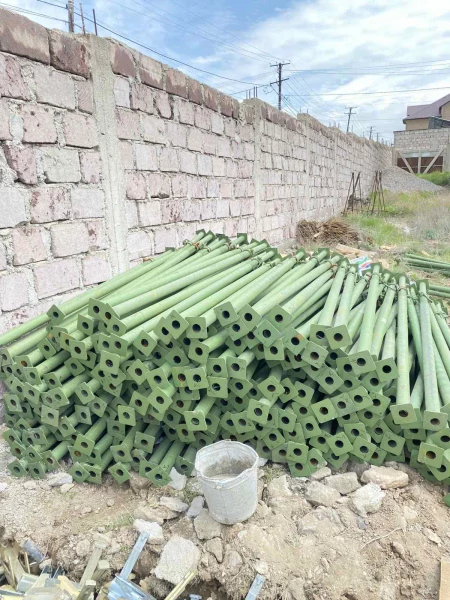
Construction Equipment and Tool Rental in Yerevan
A rental booking should match the project schedule as well as the technical task. The correct machine arriving without its attachment, operator or unloading space can delay several contractors, while an unsuitable tool can damage the material or create a safety risk. On Turn.am, you can compare independent construction-equipment and tool rental providers serving Yerevan and contact them directly.
Build the request around the planned operation
Explain the work, material, quantities, dimensions, working height or depth and expected daily output. State whether the equipment is needed for excavation, lifting, demolition, drilling, cutting, mixing, compaction, temporary power, pumping or access. A provider can then propose a machine class, attachment and power source.
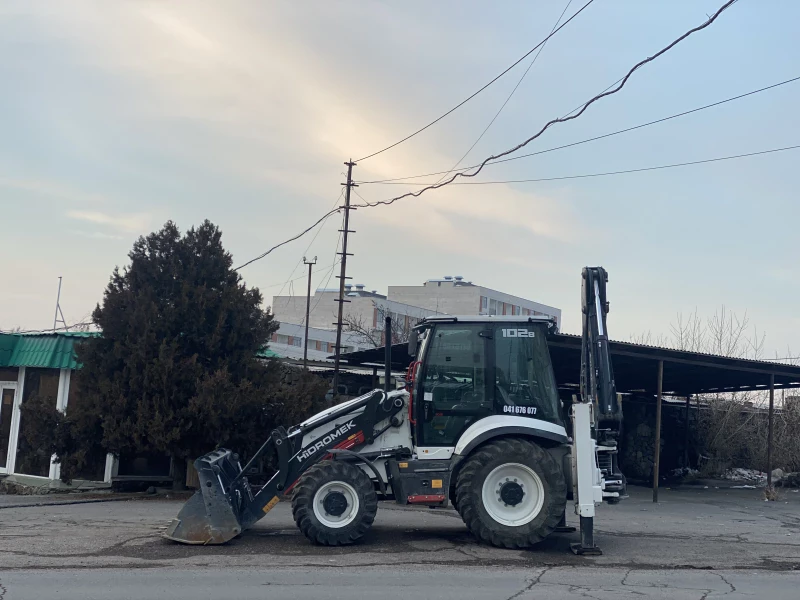
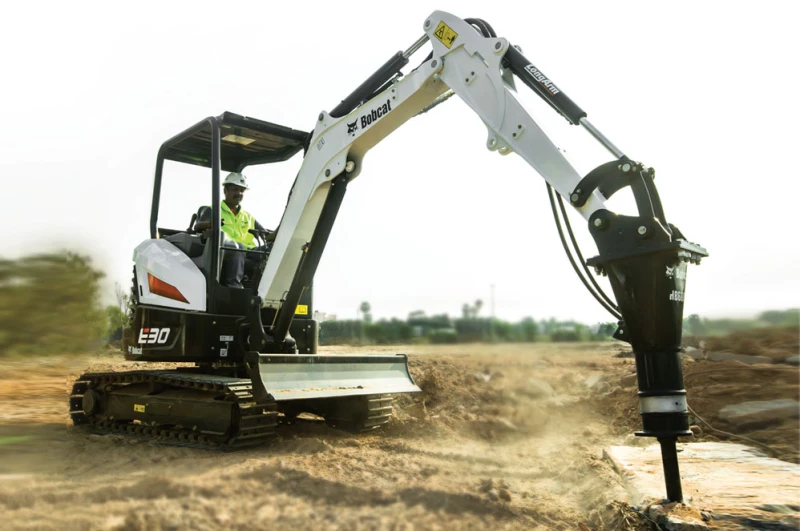
Confirm the exact make or model offered, rated capacity, dimensions, fuel or electrical requirements and included accessories. Catalogue photographs may show optional equipment. If a contractor will operate the rental, ask that person to approve the proposed specification before booking.
Coordinate availability with the construction programme
Reserve equipment for the stage when the site, materials and crew will actually be ready. Clarify whether the unit is guaranteed for those dates or subject to return from another customer. Ask how substitutions are approved if the booked model becomes unavailable.
Define the charging period precisely. A rental day may begin at dispatch, delivery, collection or a set hour, and weekend or overnight possession may be charged differently. Agree on extension notice, overtime, minimum rental and late-return rates before work starts.
Delivery, unloading and site access
Send the delivery address, entrance dimensions, loading zone, surface condition, slopes, overhead obstacles and the space available for turning or stabilizers. Check both transport and operating dimensions. Identify who provides unloading equipment and whether waiting time is charged.
For tools used inside a building, consider stairs, lifts, doorways, floor load, ventilation, dust and noise control. Confirm voltage, phase, connectors and available supply for electrical equipment. Generators, welders, heaters and large cutting tools should not be matched to a supply by guesswork.
Operated hire or customer operation
Heavy or specialist equipment may be rented with an operator, while smaller tools may be supplied without labour. For operated hire, agree on working hours, breaks, overtime, fuel, site instructions and who directs the task. The operator must retain authority to stop an unsafe operation.
For customer operation, confirm permitted users, required competence, handover instruction and protective equipment. Request the operating manual and demonstration. Do not use a machine beyond its rated capacity or remove guards and safety devices to speed up work.
Attachments, blades and consumables
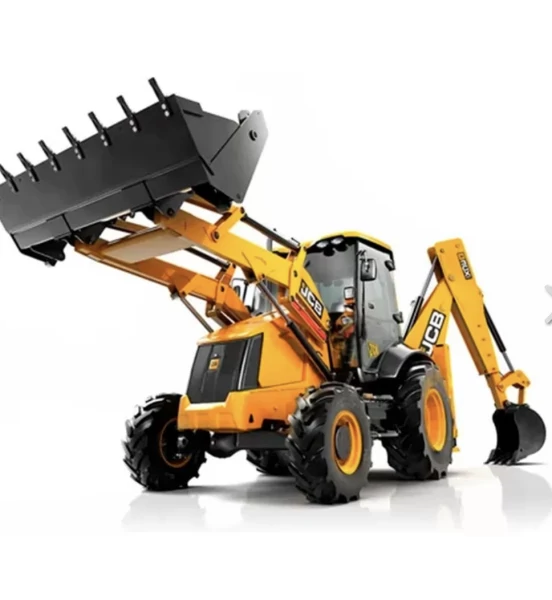
List every required attachment and accessory: buckets, forks, breaker tools, drill bits, blades, discs, hoses, cables, clamps, batteries, chargers and guards. Confirm size and compatibility. A machine without the correct interface or working part may be unusable even though it was delivered on time.
Agree on fuel, lubricant, water, gas, electrodes and abrasive or cutting wear. Ask what is included, what the renter buys and how consumption or excessive wear is measured. Only approved consumables should be used.
Handover and daily checks
At delivery, record the model, serial number, meter, fuel, accessories and existing damage. Photograph the equipment with the provider and demonstrate starting, controls, emergency stop, guards, warning indicators, cables, hoses and visible leaks as applicable.
Agree who performs daily fluid, tyre, track, battery, guard and damage checks. Stop work and notify the provider if a warning appears, a safety part is missing or operation becomes abnormal. Unauthorized repair can increase damage and complicate responsibility.
Breakdown, replacement and downtime
The contract should explain the support contact, response process and evidence required for a breakdown. Ask whether rental charges pause when a confirmed equipment fault prevents use, whether a replacement is supplied and who pays transport. These terms are especially important when other site work depends on the machine.
Damage caused by misuse, an unsuitable site or an unapproved consumable may be treated differently from mechanical failure. Do not continue operating merely to finish a task after a serious warning or loss of function.
Deposit, insurance and liability
Confirm the deposit, identification requirements, permitted location, storage rules and responsibility for theft, accidental damage, misuse and loss of accessories. Ask how normal wear is distinguished, how repair cost is assessed and whether loss-of-hire charges apply.
For valuable equipment, clarify insurance and overnight security. Control keys and access, store small tools and batteries securely and follow any tracking or immobilization instructions. The signed initial condition record protects both parties.
Compare the full cost and return terms
Total cost can include rental, operator, delivery, collection, loading, attachments, fuel, consumables, cleaning, overtime, insurance or damage waiver. Compare offers with the same capacity, hours, package and responsibility. A low base rate may exclude several essential items.
At return, follow cleaning, refuelling and packing requirements, count all accessories, record the final meter and obtain written confirmation of condition and deposit status. Report any damage rather than hiding it with a temporary repair.
Find rental equipment in Yerevan
View construction equipment and tool rental listings on Turn.am and contact suitable independent providers directly. Turn.am does not own the machinery or determine availability, prices, deposits and liability.