




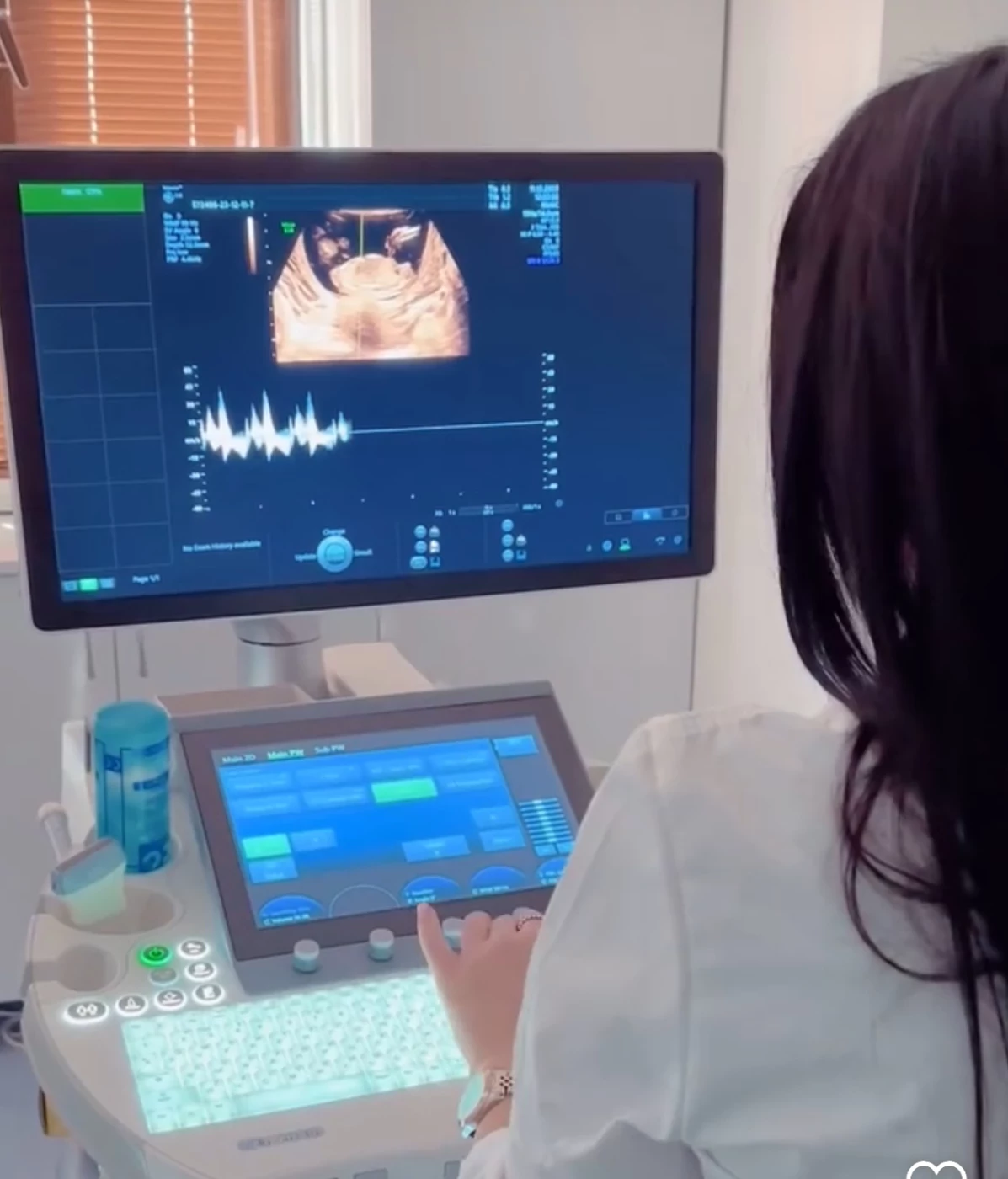
Pelvic Organ Sonography



Contact Options
Ultrasound examination of the pelvic organs holds a primary place among all diagnostic methods due to its high informativeness and non-invasiveness.
Why is it important to undergo a preventive ultrasound examination?
I recommend that at least once a year, alongside a gynecological consultation and examination, you also undergo an ultrasound examination of the pelvic organs, as it examines the uterus, fallopian tubes, ovaries, bladder, cervix, lymph nodes, retro-uterine space (Douglas pouch), and can diagnose a number of pathologies, such as uterine fibroids, ovarian cysts, adenomyosis, endometrial hyperplasia, polyps, and more.
The examination is performed either transvaginally or transabdominally (sometimes transrectally). Women who are sexually active are examined with a transvaginal probe, while girls who are not sexually active are examined transabdominally or transrectally.
I recommend undergoing the sonographic examination on days 5–7 of the menstrual cycle.
Ultrasound also reveals various developmental anomalies of the uterus (such as a bicornuate, didelphys, or arcuate uterus).
Service price from:
15000
AMD
Additional Information
Tissue sampling
Thyroid and breast elastography
Duplex examination of vessels
Research
- Small pelvic organs
Category:
Health and Medicine
Sonography
Reviews 0
Leave a Review
This service hasn't been reviewed yet. Share your experience and be the first to leave a review! Your feedback helps others and shapes our community.
Share This




 1 Click Login/Register with Google
 1 Click Login/Register with Apple
 Sign in with Facebook
 Login / Register