




Post-construction cleaning

Filters
Post-Construction Cleaning in Yerevan, Armenia and Other Regions
Post-construction cleaning helps turn a newly built, renovated, or repaired property into a clean, usable space. In Yerevan, this category brings together independent cleaners and cleaning teams for apartments, private homes, offices, shops, and other commercial premises after building work. Browse service listings, compare the scope offered by different providers, and contact a suitable provider directly to discuss your property and cleaning priorities.
Unlike routine housekeeping, post-renovation cleaning focuses on the fine dust, stains, residue, and scattered materials that can remain after construction, interior finishing, remodeling, or repair work. Providers may handle cleaning after painting, tiling, plastering, installation work, or a full renovation. The aim is to address construction-related dirt carefully while taking account of new floors, glass, fixtures, furniture, and finished surfaces.
What post-construction cleaning can include
Cleaning needs vary greatly depending on whether the property is at the end of a major renovation, completing a smaller repair, or preparing for occupancy after construction. A provider can assess which areas require detailed attention and whether the space has already received a preliminary clean. This makes it easier to arrange work that matches the actual condition of the property rather than relying on a standard cleaning checklist.
A common task is the removal of construction dust from horizontal and vertical surfaces. Fine dust can settle on floors, baseboards, radiators, cabinets, window frames, doors, switches, and ventilation grilles, even when work was concentrated in only one room. Post-construction cleaners may use appropriate equipment and cloths to lift dust from accessible surfaces, then clean again as needed to reduce residue left behind after sanding, drilling, cutting, or plasterwork.
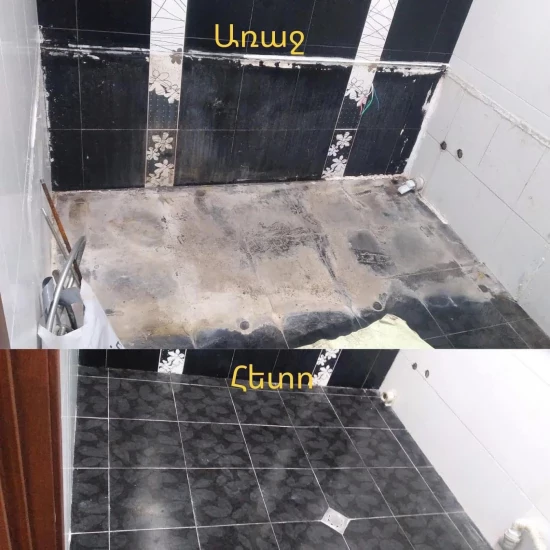
Another important part of post-renovation cleaning is dealing with marks and splashes left by finishing materials. Paint drops, adhesive traces, grout haze, silicone residue, protective film remnants, and similar deposits often need more than ordinary wiping. The right method depends on the surface underneath, such as tile, glass, laminate, metal, wood, stone, or polished flooring. Discussing the materials present in the property helps a cleaner plan a careful approach and avoid using unsuitable products or abrasive tools.
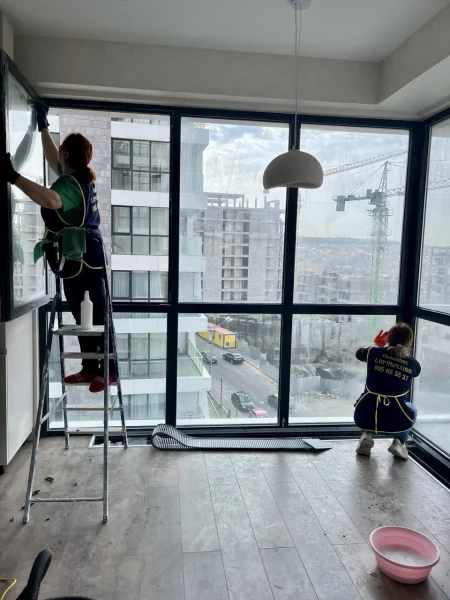
Windows, mirrors, glass partitions, doors, and frames frequently need detailed cleaning after renovation. These areas may have dust along edges, labels or tape residue, fingerprints, paint specks, and marks from installation work. Bathrooms and kitchens can also require focused attention because newly installed sinks, faucets, showers, countertops, cabinets, and tiles may collect dust while other work continues. Cleaning can cover accessible interior surfaces, fixtures, and sanitary areas according to the agreed scope.
Floor care is another consideration. Hard floors may need dust removal, washing, and attention to residue from building materials, while polished or newly finished surfaces can require extra caution. Providers can clarify how they handle floors that are still curing, covered with protective material, or especially sensitive to moisture and scratching. For furnished properties, it is useful to specify whether furniture, appliances, and stored items are already in place, since this affects access and the areas that can be cleaned.
This parent category can also be relevant when a site contains leftover packaging, offcuts, rubble, or other construction waste. Cleaning and waste removal are distinct tasks, so confirm which materials a provider can handle and whether collection or transport is needed separately. For requests focused on clearing building debris, explore Construction Waste Removal Services. Separating these needs in advance can make the final cleaning plan more accurate and practical.
How to choose a post-renovation cleaning provider
Start by describing the property clearly. Mention the property type, approximate size, number of rooms, completed renovation stages, and the condition of the space. It is particularly helpful to identify work that produced heavy dust, such as wall preparation or carpentry, and to point out paint, glue, grout, or other visible residue. Photos or a detailed list of priority areas can help a provider understand the expected work before you make arrangements.
Compare providers based on the cleaning tasks they are prepared to take on, not only on a broad description of the service. Ask whether their proposed scope includes windows, interior glass, bathrooms, kitchens, cabinets, doors, balconies, or floor treatment where relevant. If certain rooms must be ready first, explain this. A phased approach may suit a property where contractors are still finishing work in some areas while other rooms are ready for cleaning.
Surface protection deserves careful discussion in newly renovated spaces. Tell the provider about delicate finishes, recently installed flooring, natural stone, glossy panels, decorative wall coverings, or surfaces with manufacturer care instructions. You can also ask what cleaning products and tools they intend to use for residue removal and how they approach areas that need gentle treatment. Clear communication is useful when the property contains materials that react differently to water, solvents, or scrubbing.
Access and site conditions can affect the organization of the job. Consider whether water and electricity are available, whether there is an elevator or convenient entry for equipment, and whether the premises are empty or occupied. If builders, installers, or delivery workers may still be present, agree on a suitable time and identify the rooms that can be accessed. These practical details help avoid cleaning areas that may immediately become dusty again during ongoing work.
Before confirming a provider, make sure both sides understand what is included and what remains outside the request. For example, clarify whether waste is already removed, whether exterior areas are part of the job, and whether there are inaccessible high surfaces or heavy items that cannot be moved. A specific conversation about the expected result, priority zones, and timing supports a smoother handover of the property for moving in, furnishing, opening a workspace, or the next stage of preparation.
Availability in Yerevan and across Armenia
Post-construction cleaning is commonly sought in Yerevan after apartment renovations, office fit-outs, and building projects. Listings in this category may also be relevant to requests from Gyumri, Vanadzor, Vagharshapat (Ejmiatsin), Hrazdan, Abovyan, Kapan, and other cities and regions across Armenia. Availability, travel arrangements, and the exact work a provider accepts can differ, so contact providers directly to confirm whether they can take on your location and property type.
Use Turn.am to review post-construction cleaning listings, compare the services described, and speak directly with providers about your space. A well-defined request helps you find a cleaner whose approach fits the condition of your newly completed property.