



















Computer Software Services in Yerevan
Computer software support can cover diagnosis, operating-system repair, program installation, malware cleanup, backup preparation and remote assistance. Similar symptoms can also come from failing storage, overheating or another hardware fault, so reinstalling Windows should not be the automatic first step. When seeking computer software support in Yerevan, describe the symptom, identify important data and ask what will be tested before any files are erased or paid licences are added. Turn.am lets you review listings and contact providers directly.
Describe the symptom before requesting a solution
Instead of saying that the computer needs formatting, explain when the issue began, what changed beforehand and which message appears. Send the exact error text, a photograph or a short video. State whether the machine does not power on, cannot load the operating system, restarts, freezes or only fails inside one application. These cases require different checks.
Mention a recent update, new peripheral, downloaded file or program installed just before the problem. Adding several random cleaner applications can make diagnosis harder. The specialist should explain what will be inspected before deleting the system or proposing paid licences.
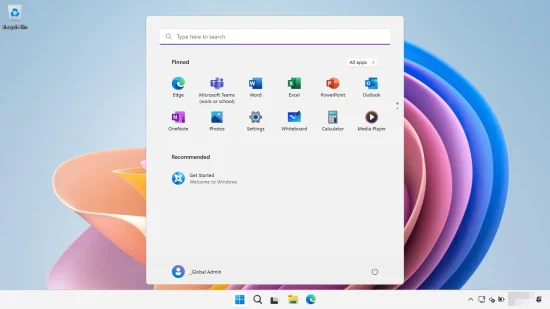
Operating-system installation and recovery
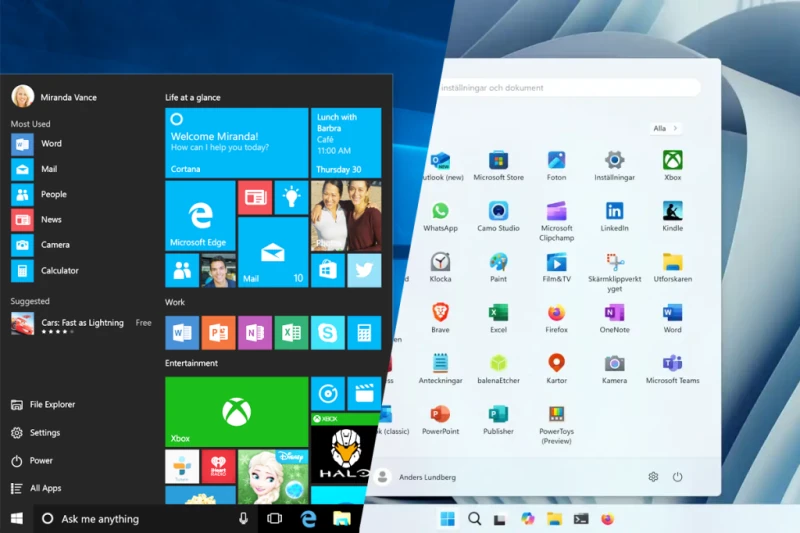
Provide the computer model, processor, memory, storage type and software you must continue using. Older hardware may not meet the requirements of a new operating-system release, while an essential legacy application may not run after an upgrade. The objective is a compatible and secure working environment, not simply the newest available version.
Clarify whether the job is a clean installation or an attempt to repair the existing system. A clean installation normally removes programs and data from the system partition. Repair options may preserve files but cannot guarantee that every underlying error disappears. Identify the folders, browser data, email archives and application settings that must be retained before any destructive step.
Backups and personal information
When the device contains photographs, business documents, accounting databases or project files, do not rely on the vague instruction to save everything. Show where the important material is stored and choose the destination for the copy. The backup drive must have enough free space, and a sample of copied files should be opened to verify them. Intensive copying from a failing disk may worsen its condition, so unusual noises and read errors require careful assessment.
Create a temporary user account where practical instead of giving access to your daily profile. Sign out of banking, social and other sensitive services. Remote-support software should be active only for the agreed session unless permanent support is explicitly required. Ask whether copies of your files remain on the technician's storage and when they will be removed.
Malware, pop-ups and compromised accounts
Unexpected advertising, a changed browser homepage, unknown applications, disabled security tools and unexplained processor activity can indicate infection. If passwords may have been exposed, use another clean device to change important credentials and activate multi-factor authentication. Avoid payments and confidential work on the affected computer until it has been checked.
Deleting one detected file may not remove persistence mechanisms. Startup entries, browser extensions, scheduled tasks, system services and updates may need inspection. A clean installation can be safer after serious compromise, but personal data must be copied carefully so that suspicious executable files are not restored to the fresh system.
Programs, drivers and licensing
Agree on the application list in advance, including exact versions of office, design, accounting or specialist software. Cracked installers from unknown websites may contain malware and prevent reliable updates. Ask whether a quoted licence is included, whose account will own it and whether you receive activation details and proof of purchase.
Drivers should normally come from the hardware manufacturer's official source. Generic driver packs may install an unsuitable or outdated version. After service, test Wi-Fi, sound, Bluetooth, camera, printer, external display and special keyboard functions. Include databases, plugins and network licences in the acceptance list when they are essential to your work.
Remote support, home visit or workshop
Application configuration, account issues and consultation may be suitable for remote work when the machine starts and has a stable connection. A computer that cannot boot, a drive making unusual sounds or suspected physical failure needs local inspection. For an on-site visit, provide the address and access instructions, number of computers and network equipment. For a company device, also identify required interface languages, keyboard layouts, domain access, shared printers, specialist applications and administrator approval boundaries.
Stay near the screen during remote work and observe what is being changed. Do not provide banking verification codes or your private email password. If the remote tool offers unattended access, enable it only when deliberately required. Close the session and review the program's permissions when the work is finished.
What determines the cost
Pricing depends on diagnostic complexity, the amount of data, required applications, licences, travel and urgency. Setting up one program is not equivalent to recovering a heavily infected system that cannot boot. Data recovery is also a separate specialisation and may require different equipment and quotation.
Ask for separate figures for diagnosis, backup, operating-system installation, applications, licences and travel rather than assuming one citywide price. If testing reveals a hardware fault, approve the expanded scope and any replacement part before further paid work.
Acceptance checklist
- The computer starts and loads without a new error.
- Saved files open and important folders are present.
- Internet, audio, camera and required peripherals work.
- Requested programs launch with a legitimate activation state.
- Updates are installed and security protection is enabled.
- Remote access has been closed or configured as agreed.
Ask for a short record of changes and instructions for future backup or updates. When comparing specialists on Turn.am, send the same symptoms and requirements to each candidate. Consider whether the provider asks about data, explains risks and offers a testable outcome rather than judging only the lowest headline price.
Useful questions
Can a software specialist repair a computer that does not power on?
A machine with no lights or fan may have a charger, battery, power-supply or motherboard fault rather than a software problem. Describe the symptoms and ask whether the provider also performs hardware diagnostics.
Should files be backed up before reinstalling Windows?
A verified backup is strongly advisable before any step that can erase or alter data. Confirm the folders, browser profiles, email archives and application databases that matter. If the drive may be failing, stop ordinary copying and ask whether specialist recovery or imaging is safer.
Is remote computer support safe?
It can be when you choose the provider, watch the session and use a reputable tool. Never share banking codes, and remove unattended-access permission after the agreed work unless you intentionally need ongoing support.
Does Windows installation include a licence?
Not automatically. Ask whether the price includes a genuine licence, which account owns it and what proof of purchase you receive. Installation and licensing should be listed separately.