




 ~0.96 miles
Closed
· 09:00 AM - 09:00 PM
~0.96 miles
Closed
· 09:00 AM - 09:00 PM
Dental services in Yerevan: professionalism and care at Elix Clinic
63/42 Ավետ Ավետիսյան փողոց , Yerevan

 ~0.96 miles
Closed
· 09:00 AM - 09:00 PM
~0.96 miles
Closed
· 09:00 AM - 09:00 PM
Installation of braces in Yerevan
63/42 Ավետ Ավետիսյան փողոց , Yerevan
 ~0.96 miles
Closed
· 09:00 AM - 09:00 PM
~0.96 miles
Closed
· 09:00 AM - 09:00 PM
Dental implantation in Armenia
63/42 Ավետ Ավետիսյան փողոց , Yerevan

 ~0.93 miles
Open
· 24 Hours
~0.93 miles
Open
· 24 Hours
Pediatric Dentistry
1 Ավետ Ավետիսյան փողոց, Երևան 0033 , Yerevan

 ~0.93 miles
Open
· 24 Hours
~0.93 miles
Open
· 24 Hours
Dental Treatment in Armenia
1 Ավետ Ավետիսյան փողոց, Երևան 0033 , Yerevan
 ~0.96 miles
Closed
· 09:00 AM - 09:00 PM
~0.96 miles
Closed
· 09:00 AM - 09:00 PM
Ceramic veneers in Yerevan
63/42 Ավետ Ավետիսյան փողոց , Yerevan
Dental Services in Yerevan
People look for a dentist for many different reasons: a routine checkup, toothache, a broken filling, bleeding gums, missing teeth or a cosmetic concern. The right appointment depends on the problem. On Turn.am, you can review dental-service listings in Yerevan, compare provider information and contact a clinic or dentist directly to discuss availability and the likely scope of care.
Which dental service do you need?
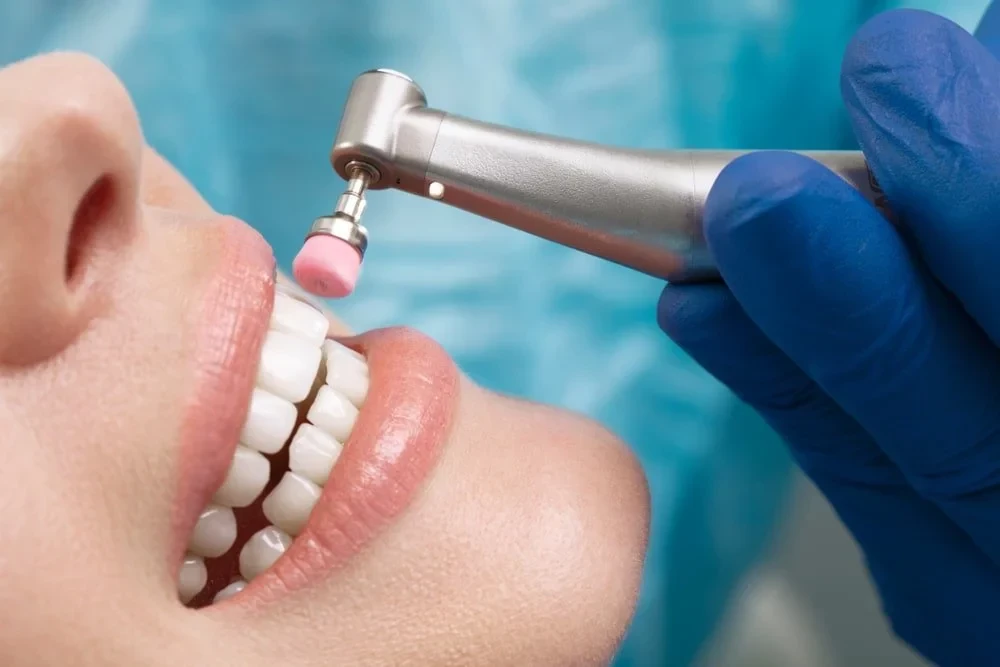
A general dental examination is a sensible starting point when the cause of a symptom is unclear. The dentist reviews your medical and dental history, examines the teeth, gums and surrounding tissues, and decides whether imaging or referral is appropriate. A diagnosis should come before irreversible treatment.
- Preventive care: examinations, professional cleaning and individual oral-hygiene advice.
- Restorative dentistry: treatment of decay, worn or fractured teeth with fillings, inlays, onlays or crowns where suitable.
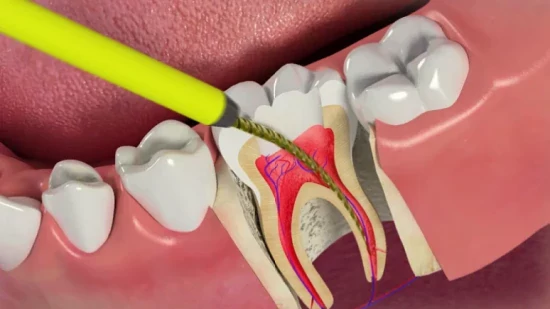
- Root canal treatment: assessment and treatment of an inflamed or infected dental pulp and canal system.
- Gum care: uation of bleeding, swelling, recession, mobility and periodontal disease.
- Tooth replacement: removable dentures, bridges and implant-supported restorations.
- Orthodontics: diagnosis and supervised treatment with braces or aligners, followed by retention.
- Oral surgery: extractions and other surgical procedures after appropriate examination and planning.
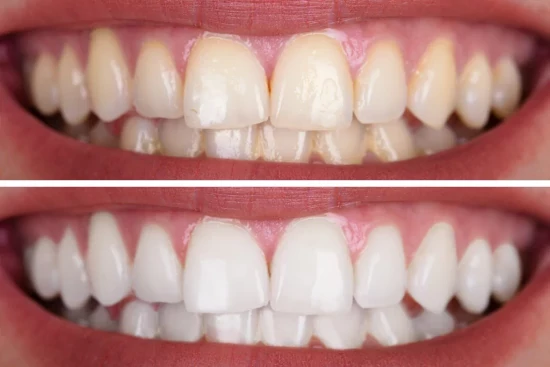
- Cosmetic dentistry: whitening, bonding, veneers and other appearance-focused options after oral health has been assessed.
Complex cases may involve more than one clinician. If a plan combines gum treatment, orthodontics, implants and crowns, ask who coordinates the sequence and how the specialists share records.
What a careful consultation should clarify
Describe where the problem is, when it began, what triggers it and whether there is swelling, fever, injury or recent dental work. Tell the clinician about pregnancy, allergies, medical conditions and all medicines you take. Existing X-rays and treatment records may be useful, but they do not replace a current clinical examination.
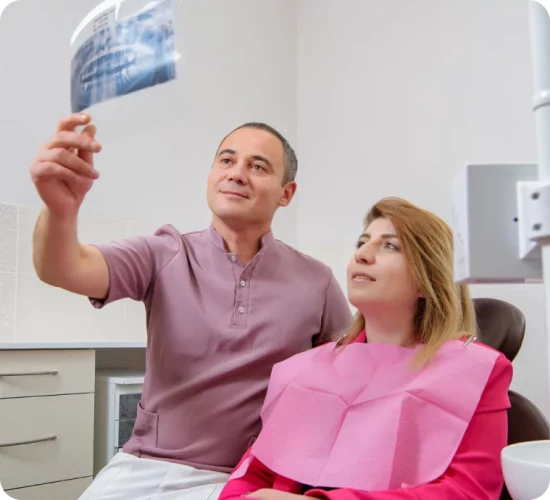
Ask the dentist to explain the finding in understandable terms, show relevant images where possible and distinguish urgent disease control from elective cosmetic work. A useful treatment plan identifies the proposed procedure, alternatives, important limitations, expected stages and follow-up. If the diagnosis or recommended irreversible treatment remains unclear, seeking another professional opinion can help you make an informed decision.
Imaging should answer a clinical question
Small intraoral X-rays, panoramic images and three-dimensional scans provide different information. Not every patient needs every type. The dentist should be able to explain why an image is recommended and how it may affect diagnosis or planning. Mention any recent dental imaging so the clinician can decide whether it is still suitable.
How to compare treatment estimates
Prices depend on the diagnosis, complexity, number of visits, clinician involved, imaging, anesthesia, materials, laboratory work and follow-up. Ask for an itemized estimate rather than comparing only the headline price of a crown, implant or aligner package.
For an implant restoration, clarify whether the estimate includes the implant fixture, abutment, crown, imaging, temporary work and review visits. For crowns, bridges or dentures, ask about the proposed material, laboratory stages, adjustments and remake terms. For root canal care, confirm whether the final restoration is included. Any warranty should be provided in writing with its exclusions and maintenance conditions; it cannot guarantee that future disease, wear or injury will never occur.
Safety, consent and comfort
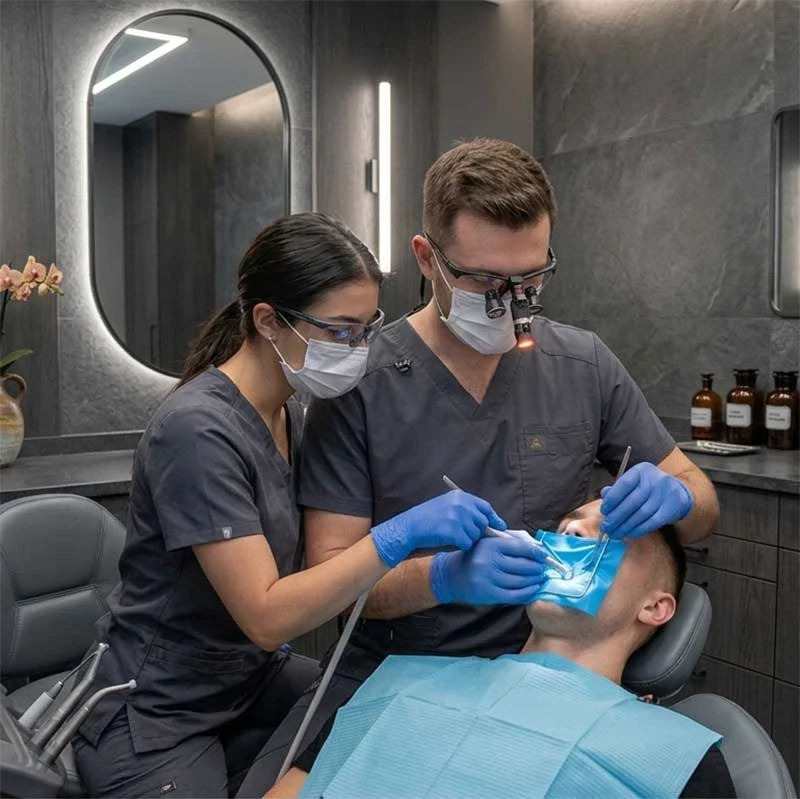
A clinic should have clear infection-control practices for hand hygiene, clinical surfaces, reusable instruments, handpieces, single-use items and sharps. It is reasonable to ask how instruments are cleaned, packaged and sterilized. A wrapped instrument alone is not a complete explanation of the process.
Before treatment, you should understand the planned procedure, meaningful alternatives, relevant risks and what may change during care. Tell the dentist about previous difficulty with local anesthesia, fainting, severe anxiety or medication reactions. If sedation is offered, ask who provides it, what monitoring is used and what preparation and discharge rules apply.
Dental care for children
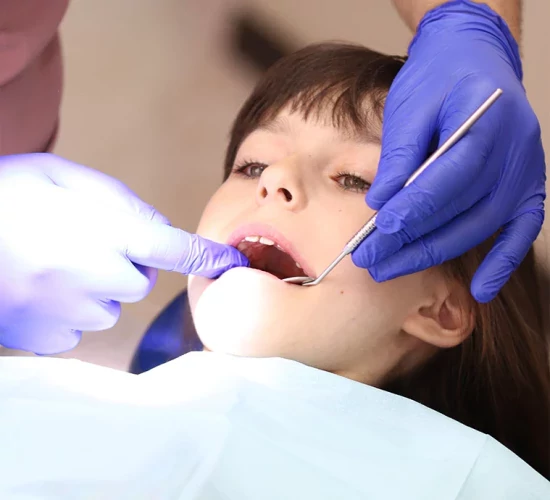
For a child, look for a clinician who can explain the visit in age-appropriate language and build cooperation without unnecessary pressure. Ask whether the parent may remain present, how pain control is handled and what happens if treatment cannot safely be completed. Children with complex medical, developmental or behavioral needs may require a dentist with relevant pediatric experience.
When the problem may be urgent
Prompt dental assessment is appropriate for severe pain, a knocked-out or badly broken tooth, substantial swelling, trauma or bleeding that does not stop. Difficulty breathing or swallowing, rapidly spreading facial or mouth swelling, or severe deterioration in general condition requires emergency medical help rather than waiting for a routine appointment.
Do not use leftover antibiotics or place household chemicals on a painful tooth. Medication may reduce symptoms without removing the source of the problem. A clinician needs to determine whether drainage, root canal treatment, extraction or another approach is indicated.
Before booking a dentist in Yerevan
When contacting a provider, state the main symptom or requested service, how urgent it is, the patient’s age and whether previous records are available. Confirm who will perform the examination, which languages the clinician can use, the consultation and imaging fees, payment terms, and how follow-up or an unexpected problem is handled. For multi-visit treatment, make sure the proposed schedule is realistic before committing.