









Psychologists and Psychological Support in Yerevan
People contact a psychologist for many reasons: persistent stress, anxiety, grief, relationship difficulties, adjustment to change, parenting concerns or a wish to understand recurring patterns. You do not need to arrive with a diagnosis or a perfectly worded goal. An initial conversation can help clarify what support is appropriate and whether the specialist’s experience matches your needs.
Turn.am lists independent psychologists and psychological services in Yerevan. You can compare published information and contact providers directly. Turn.am does not assess, diagnose or treat users and is not an emergency or crisis service.
Psychologist, psychotherapist and psychiatrist are different roles
Professional titles, training and scope are not interchangeable. A psychologist may offer assessment or counselling within their education and experience. Psychotherapy requires relevant therapeutic training, while a psychiatrist is a medical doctor who can assess medical aspects of mental health and prescribe medication. One person may hold more than one qualification, but this should be verified rather than assumed from a listing title.
Ask about the provider’s education, additional training, supervised experience, client groups and the concerns they regularly work with. If medication, a medical diagnosis, severe symptoms or coordination with other care is involved, ask how the psychologist refers to or collaborates with appropriate healthcare professionals.
Find a specialist whose work fits your situation
Some psychologists work mainly with adults, while others focus on children, adolescents, couples or families. Experience with one group does not automatically transfer to another. You may also want a provider who understands grief, trauma, panic, workplace stress, migration, chronic illness or another defined concern. Describe the main difficulty briefly and ask whether it falls within the specialist’s scope.
Language matters because subtle emotions can be difficult to express outside the language in which you feel most comfortable. Confirm whether sessions are professionally conducted in Armenian, Russian, English or another language, rather than relying on general conversational ability.
What to ask before the first appointment
A short initial message does not need to contain your full personal history. State whether the appointment is for an adult, child, couple or family; the broad reason for seeking support; preferred language; in-person or online format; and suitable times. Then ask:
- what approach the psychologist uses and how it relates to your concern;
- what happens during the first session;
- the session length, fee and payment method;
- cancellation and rescheduling rules;
- how confidentiality, notes and online data are handled;
- what happens if a different service would be more appropriate.
A responsible specialist should be able to explain their way of working in understandable language without promising a cure, guaranteed outcome or fixed number of sessions.
What the first sessions may cover
The psychologist may ask what is happening now, how it affects daily life, what support you have tried, relevant health or treatment history and what you hope will change. You can also ask questions and decide whether you feel able to speak openly with this person. An assessment is not a performance, and it is acceptable to say that a topic feels difficult or that you are not ready to discuss every detail immediately.
Goals may be specific—such as managing panic in certain situations—or broader, such as understanding relationship patterns. The psychologist and client can refine them together. Ask how progress will be reviewed and how the plan may change if the work is not helping.
Confidentiality and its limits
Before sharing sensitive information, ask who can access session notes, how records are stored and under what circumstances information may be shared. Psychological support should respect privacy and informed consent, but confidentiality can have limits, particularly when there is an immediate risk of serious harm or another safeguarding concern. The provider should explain those limits at the beginning, including how they apply to minors, couples and family sessions.
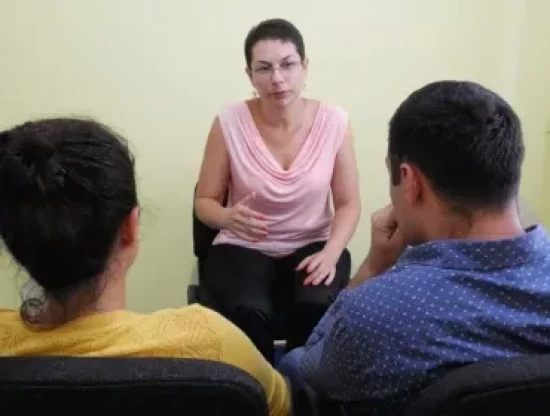
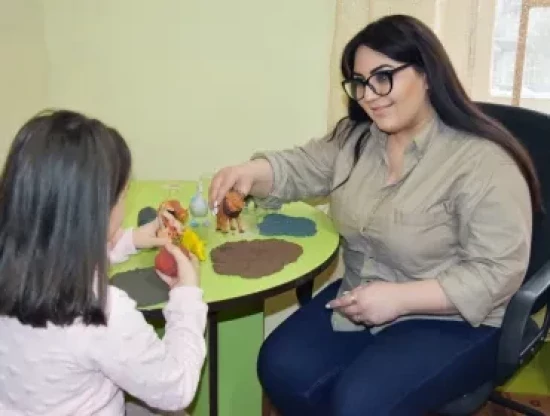
For children and adolescents, clarify who attends the first meeting, what information parents receive, how the young person’s privacy is respected and how safety concerns are handled. In couples work, ask whether individual messages or separate conversations are kept confidential from the other partner.
In-person and online consultations
In-person sessions may suit people who want a dedicated space away from home. Online consultations can reduce travel and widen language or scheduling options, but they require a private room, stable connection and a device that others cannot access. Ask which platform is used, whether sessions may ever be recorded, and what happens if the connection fails.
Not every concern or level of risk is suitable for remote work. Tell the psychologist where you will be during an online session and ask about their plan for urgent situations. The provider should explain whether online support is appropriate after learning enough about your needs.
Fees, regularity and ending the work
Compare the fee together with session duration, format, frequency and cancellation policy. Ask whether the first assessment has a different price and whether written summaries, tests, parent meetings or reports are separate services. Do not assume that a higher frequency or a long prepaid package is necessarily suitable before an initial assessment.
Psychological work is collaborative, and a useful professional relationship includes room to discuss discomfort, misunderstandings and lack of progress. You can ask for a review of goals, a change in approach or a referral. If you decide to stop, discussing the ending can help clarify next steps, although you remain free to choose another provider.
When routine booking is not enough
A marketplace appointment is not a substitute for urgent help. If you or another person is in immediate danger, cannot remain safe, is severely disoriented, or may harm themselves or someone else, call Armenia’s emergency number 112 or seek urgent medical help. Where possible, stay with a trusted person and reduce access to immediate means of harm while help is being arranged.
Browse psychological services on Turn.am, compare relevant professional backgrounds and contact a suitable psychologist directly.